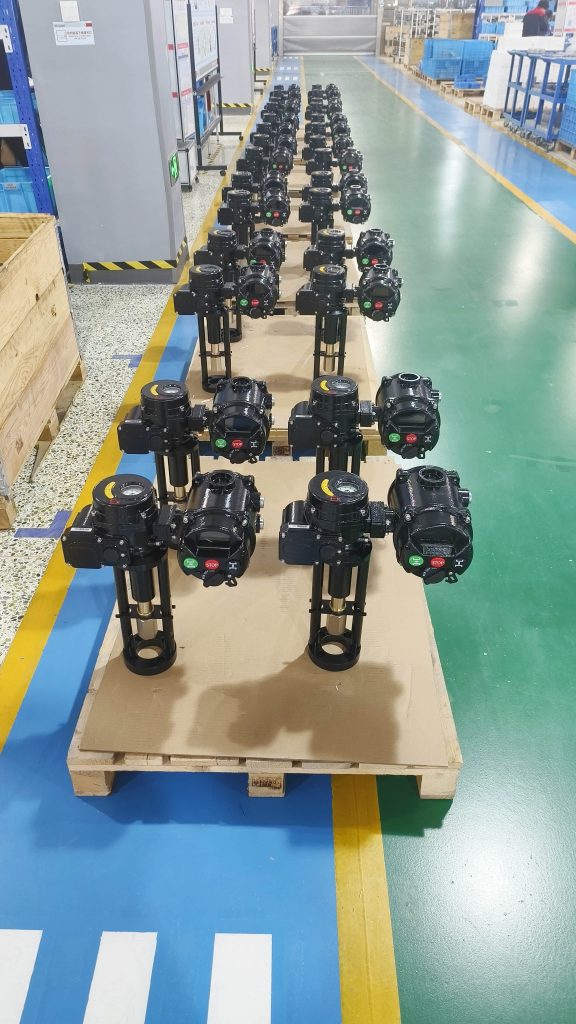
Introduction
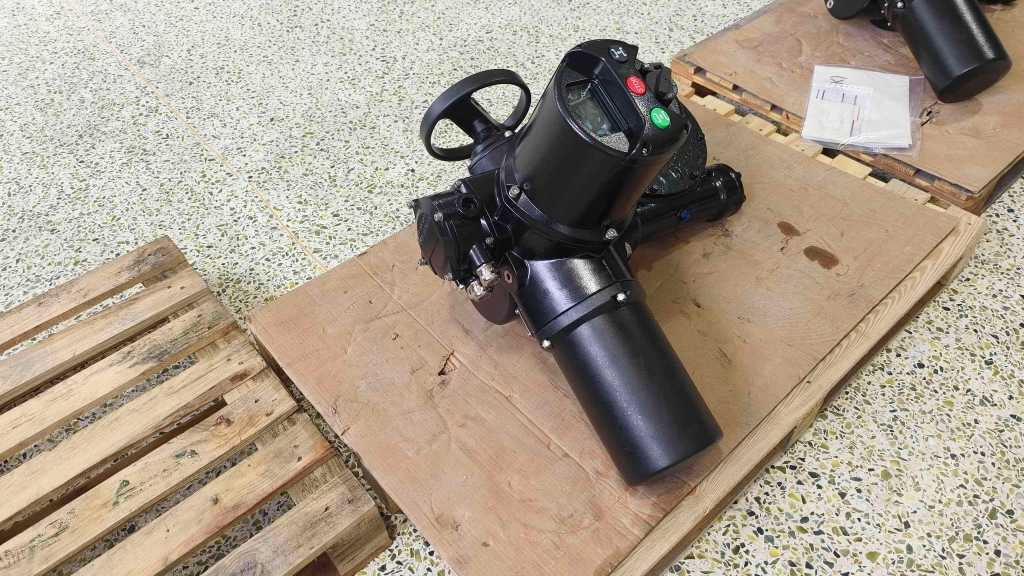
In the realm of modern automation and control systems, the Intelligent Integrated Electric Actuator (IIEA) stands out as a pivotal innovation. These devices have transformed traditional methods of automation through their enhanced precision, energy efficiency, and intelligent functionalities. With the growth of smart technologies, IIAs are playing an increasingly significant role across various industries, marking a substantial shift in how mechanical systems operate.
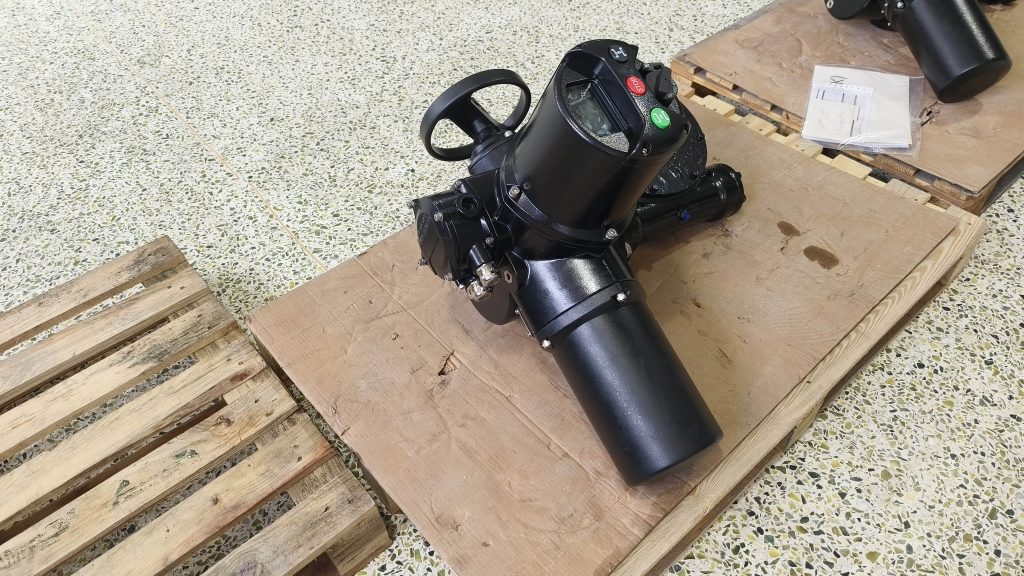
Understanding the Intelligent Integrated Electric Actuator
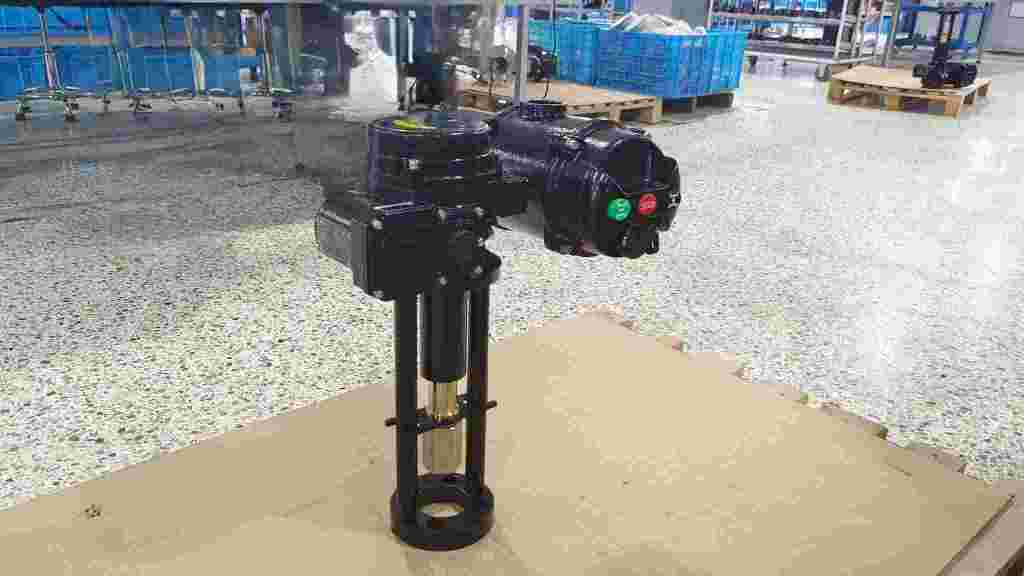
An Intelligent Integrated Electric Actuator essentially combines an electric motor, a gearbox, a control unit, and various sensors into one cohesive unit. This integrated design not only simplifies installation and maintenance but also enhances the actuation process’s reliability and efficiency. Unlike traditional pneumatic or hydraulic actuators, IIAs are inherently more precise due to the feedback mechanisms provided by integrated sensors, thus supporting closed-loop control systems.
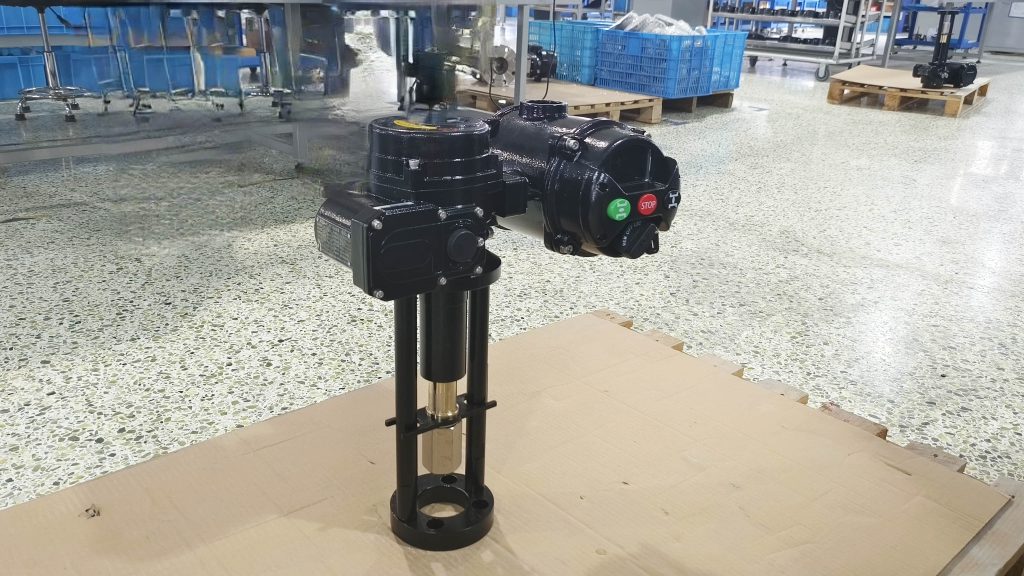
Components of an Intelligent Integrated Electric Actuator
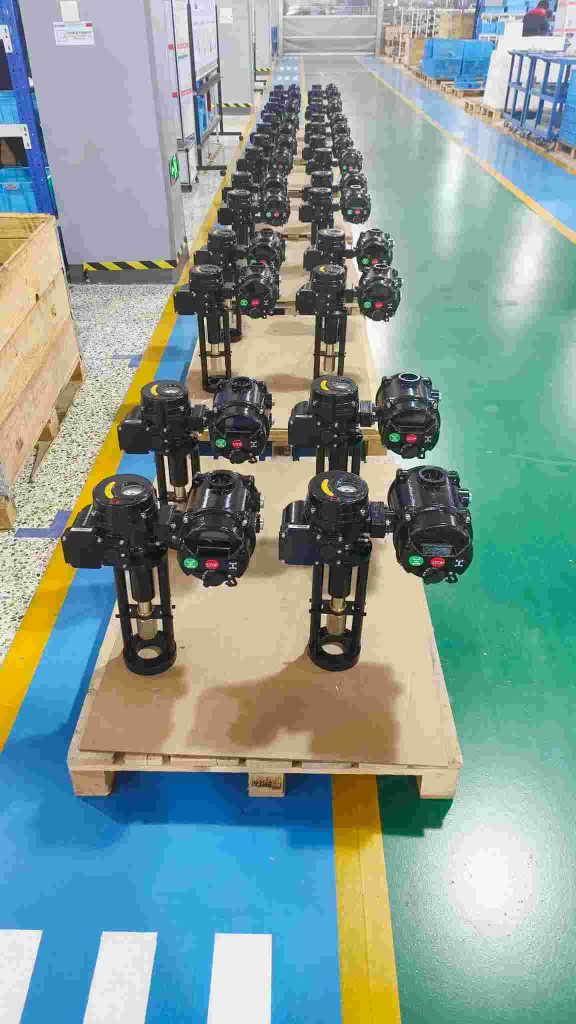
Electric Drive Mechanism: IIAs typically utilize stepper or servo motors, offering precise control over position, speed, and torque. The ability to control these parameters accurately makes them suitable for applications that require high levels of accuracy. Control System: Central to the functionality of IIAs is the embedded microcontroller or PLC, which executes algorithms tailored for specific applications. This intelligence enables advanced features such as self-calibration, error detection, and real-time adjustment based on feedback data. Sensors: A variety of sensors are integrated into these actuators, including position, temperature, and vibration sensors. These not only provide crucial data for monitoring performance but also allow for predictive maintenance, reducing downtime.