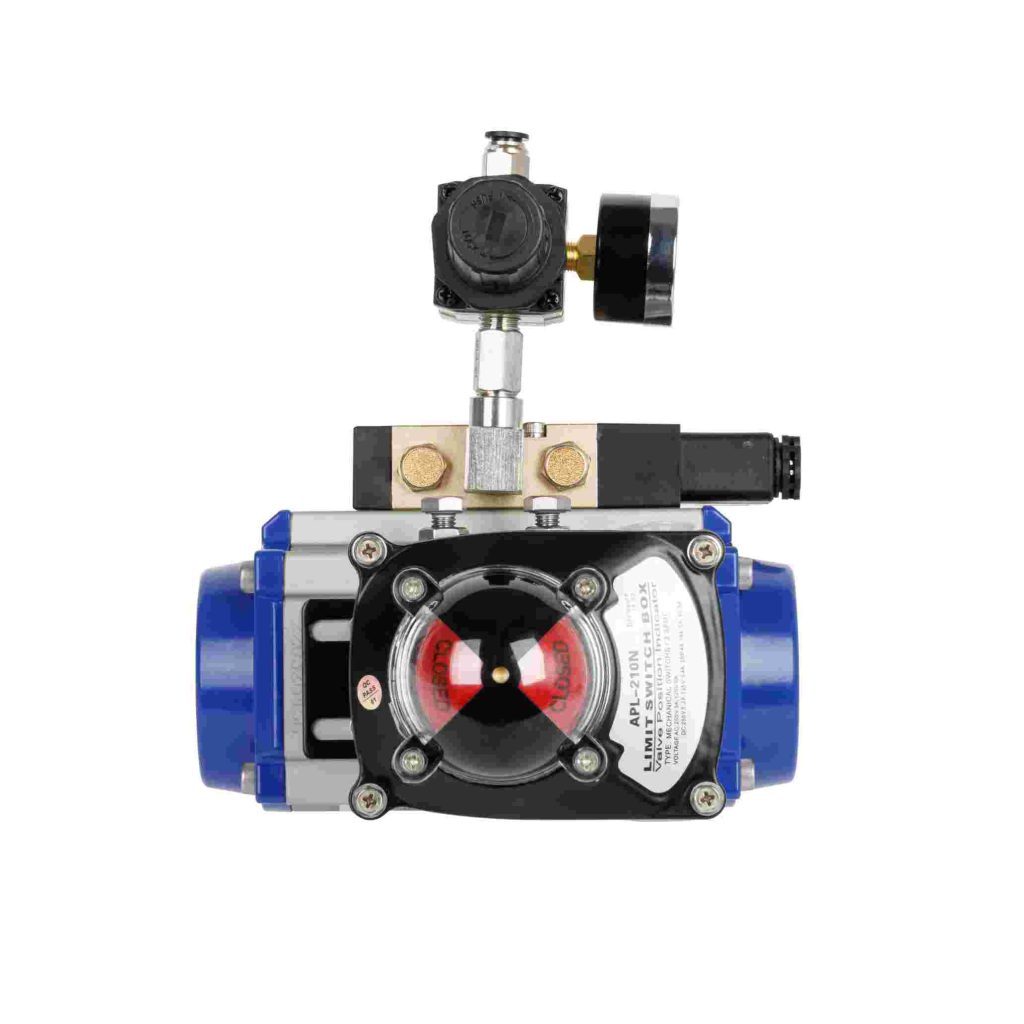
In recent years, the integration of renewable energy sources into industrial systems has gained significant attention. Among these innovations, the Hydrogen Energy Pneumatic Actuator stands out as a promising solution for energy-efficient automation systems. Combining the power of hydrogen energy with pneumatic technology, this actuator offers an environmentally friendly and highly efficient alternative to traditional power sources. This article explores the working principles, benefits, applications, and future potential of the hydrogen energy pneumatic actuator.
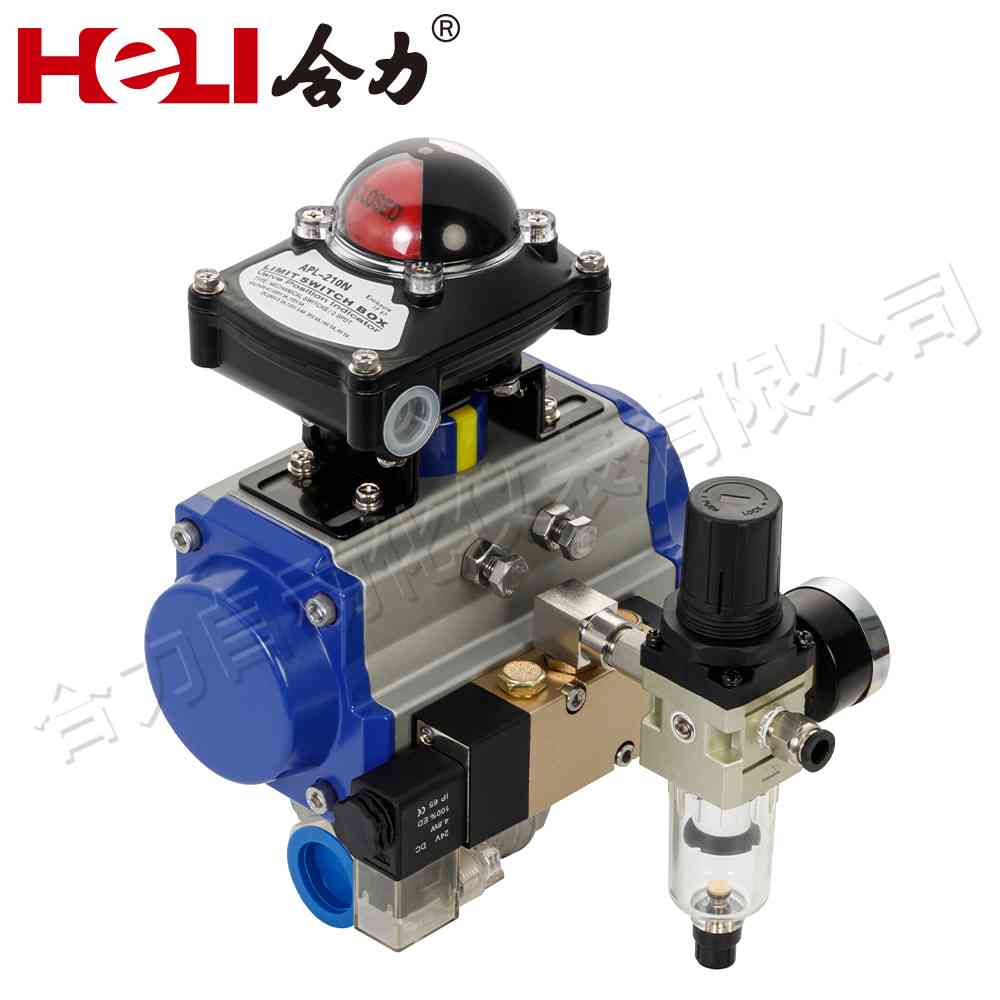
The Fundamentals of Hydrogen Energy Pneumatic Actuators
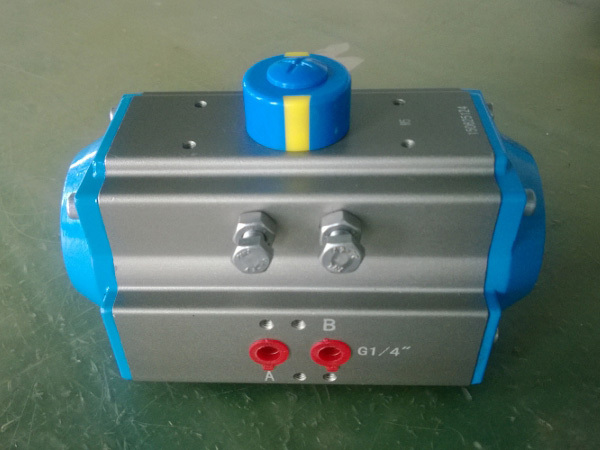
A Hydrogen Energy Pneumatic Actuator is a device that uses hydrogen gas as a power source to operate pneumatic systems. Pneumatic actuators traditionally rely on compressed air to generate mechanical motion, but by using hydrogen as the fuel, these actuators can achieve high efficiency while reducing harmful emissions. The actuator consists of a hydrogen supply system, a pneumatic actuator, and a control mechanism to regulate the movement. The hydrogen supply system stores hydrogen gas either in high-pressure tanks or through a fuel cell that converts hydrogen into electricity. The fuel cell generates the power necessary for the actuator to function. Pneumatic actuators use this energy to drive mechanical components like pistons or cylinders, enabling them to perform specific tasks such as opening or closing valves or moving machinery. Finally, the control system ensures precise management of hydrogen flow, gas pressure, and actuator movement, making it suitable for complex industrial processes.