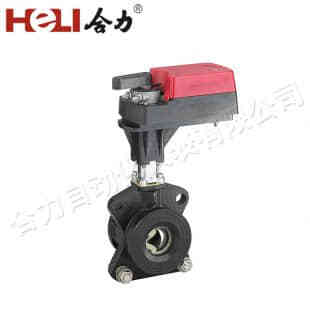
In today’s rapidly advancing world of industrial automation and building technologies, damper actuators play a crucial role in regulating airflow and maintaining the efficiency of ventilation systems. These essential devices are particularly important in heating, ventilation, and air conditioning (HVAC) systems, as well as in various industrial applications where controlling air, gases, or other fluids is necessary. Damper actuator manufacturers are at the forefront of designing and producing these devices, contributing to improved energy efficiency, system performance, and comfort. In this article, we will explore the significance of damper actuators, their functions, and the role of manufacturers in the industry.
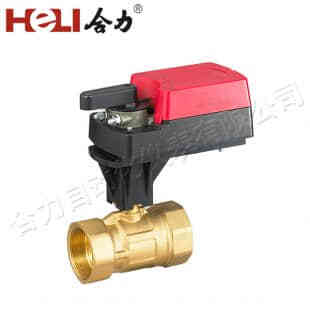
What is a Damper Actuator?
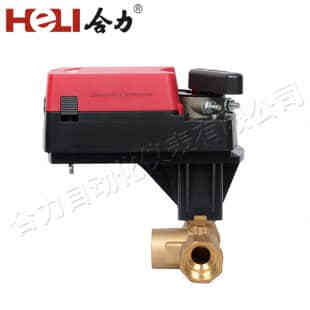
A damper actuator is an electromechanical device used to control the movement of dampers within an HVAC system or industrial machinery. Dampers are movable plates or valves that regulate the flow of air, gas, or other fluids. When connected to a damper actuator, they can be adjusted automatically or remotely, enabling precise control over airflow, temperature, and pressure. These actuators are used in a variety of applications such as controlling the airflow in air ducts, regulating combustion air in industrial furnaces, or adjusting airflow in ventilation systems. Damper actuators are available in several types, including electric, pneumatic, and hydraulic versions. The electric damper actuator is the most commonly used in modern applications due to its precision, ease of integration, and adaptability to various control systems. It uses an electric motor to drive the damper’s movement, either through rotary or linear motion, depending on the design.