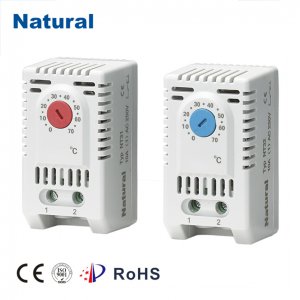
In the realm of temperature control, the adjustable mechanical thermostat stands as a simple yet effective solution. These devices are widely used in heating, ventilation, and air conditioning (HVAC) systems, serving the crucial function of maintaining desired air temperatures in homes, offices, and industrial settings. This article delves into the workings, advantages, and applications of adjustable mechanical thermostats.
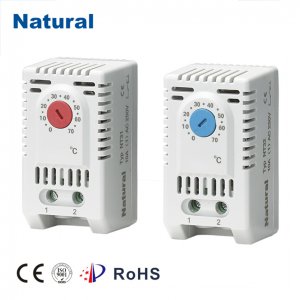
What is an Adjustable Mechanical Thermostat?
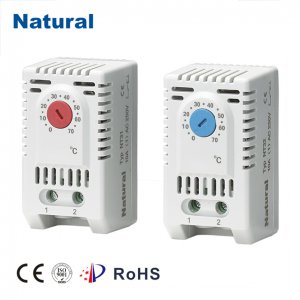
An adjustable mechanical thermostat operates on the principle of thermal expansion and contraction. It is a device that monitors indoor temperatures and regulates HVAC systems accordingly. A typical adjustable mechanical thermostat features a temperature sensor, a switch, and a dial or knob for user settings. When the temperature in a room deviates from the set point, the mechanical thermostat activates or deactivates the heating or cooling system to bring the room back to the desired temperature. How Does It Work? The core component of most adjustable mechanical thermostats is the bimetallic strip. This strip consists of two different metals bonded together that expand and contract at different rates in response to temperature changes. As the ambient temperature fluctuates, the bimetallic strip bends and activates a mechanical switch. This switch then controls the operation of the HVAC system.