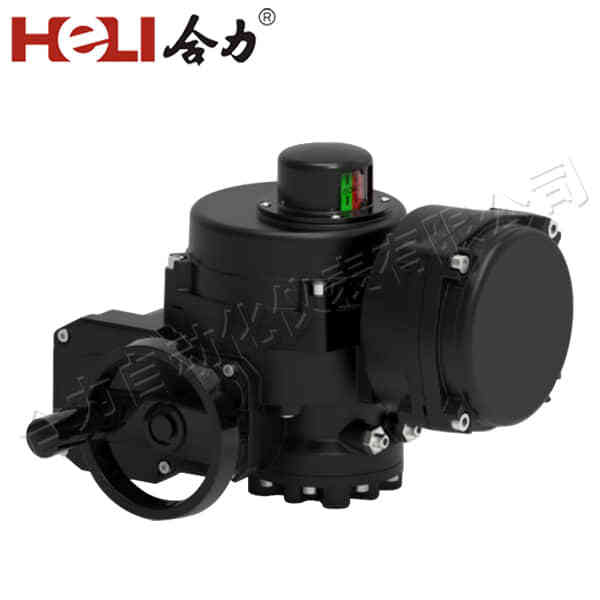
Electric actuators are becoming increasingly integral in modern automation systems and control processes across a multitude of industries. These devices convert electrical energy into mechanical motion, enabling precise movements in various applications, including industrial automation, robotics, aerospace, and HVAC systems. This article aims to provide an in-depth understanding of electric actuators, their types, benefits, applications, and future trends.
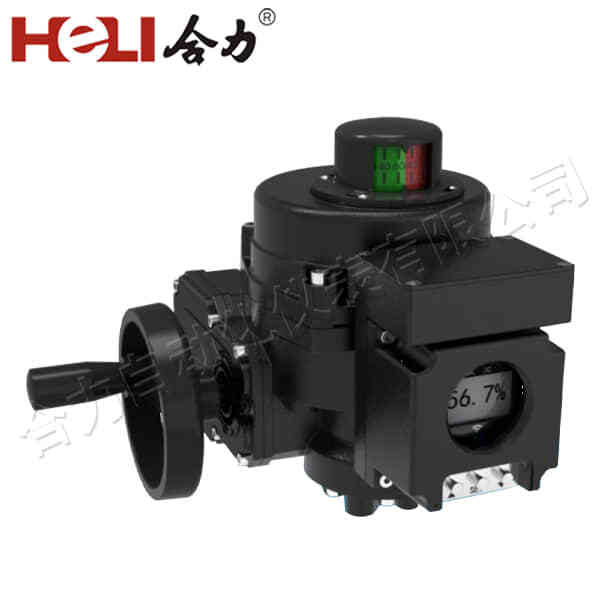
What is an Electric Actuator?
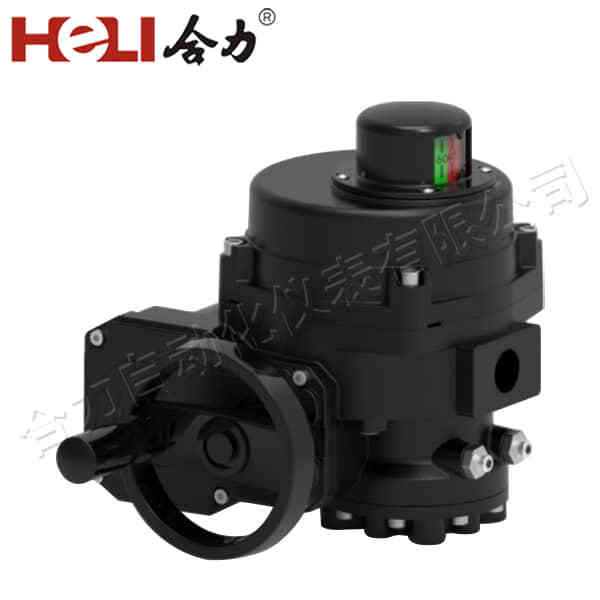
An electric actuator is a mechanism that uses electrical energy to produce linear or rotary motion. It primarily consists of an electric motor, a transmission system (usually a gearbox), and a control unit that allows for the precise operation of machinery. By converting electrical signals into mechanical power, electric actuators facilitate the control of valves, dampers, and other equipment with high accuracy and reliability. Types of Electric Actuators Electric actuators can be broadly categorized into two main types: linear and rotary actuators. Linear Electric Actuators: These actuators provide straight-line motion, making them ideal for applications such as valve control, where the opening and closing of a valve need to be executed in a linear fashion. Linear electric actuators can be found in various designs, including screw-type, belt-driven, and rack-and-pinion mechanisms.