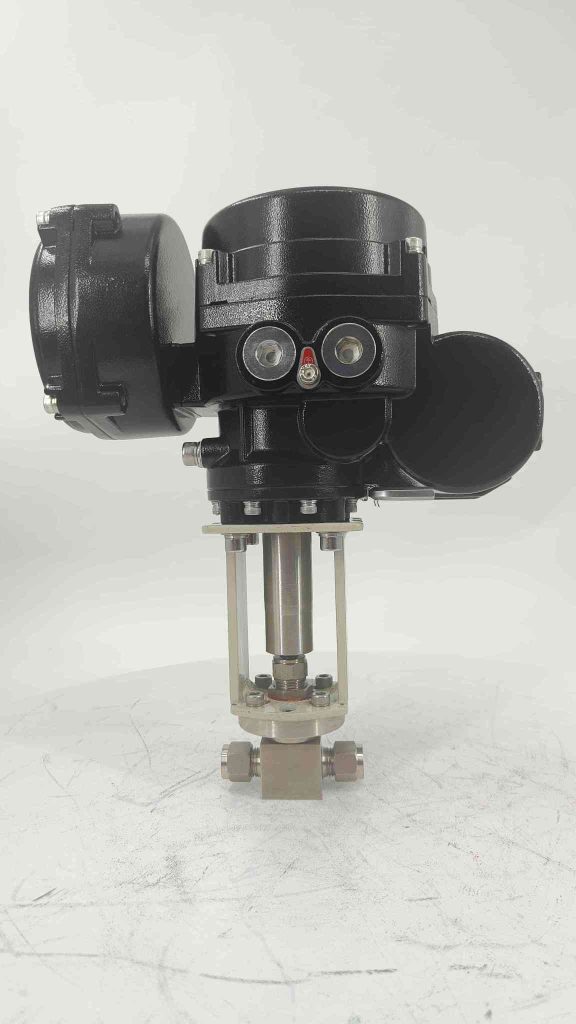
Lithium-ion batteries are a critical component in many modern technologies, from smartphones and laptops to electric vehicles and energy storage systems. As these batteries become more prevalent, ensuring their safety and longevity is of utmost importance. One crucial feature that plays a significant role in battery safety is the lithium battery valve. This small but essential component ensures that lithium-ion batteries perform optimally and safely by managing internal pressure and preventing catastrophic failure.
The Role of Lithium Battery Valves
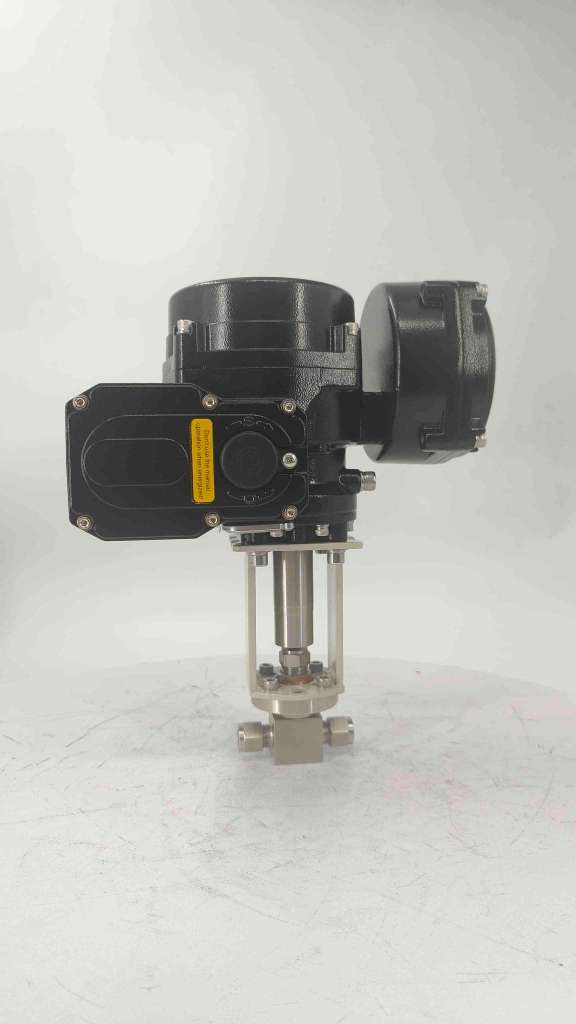
Lithium-ion batteries store and release large amounts of energy, making them susceptible to overheating and internal pressure build-up under certain conditions. A lithium battery valve is a safety mechanism designed to manage this internal pressure. In essence, it serves as a pressure relief valve, preventing the battery from rupturing or exploding in the event of excessive heat or overcharging. As the battery undergoes charging and discharging cycles, chemical reactions inside the battery can produce gas. If this gas accumulates without a proper outlet, the internal pressure of the battery rises, potentially causing the battery to swell, rupture, or even catch fire. The lithium battery valve mitigates these risks by releasing gas when the internal pressure exceeds a predetermined threshold.