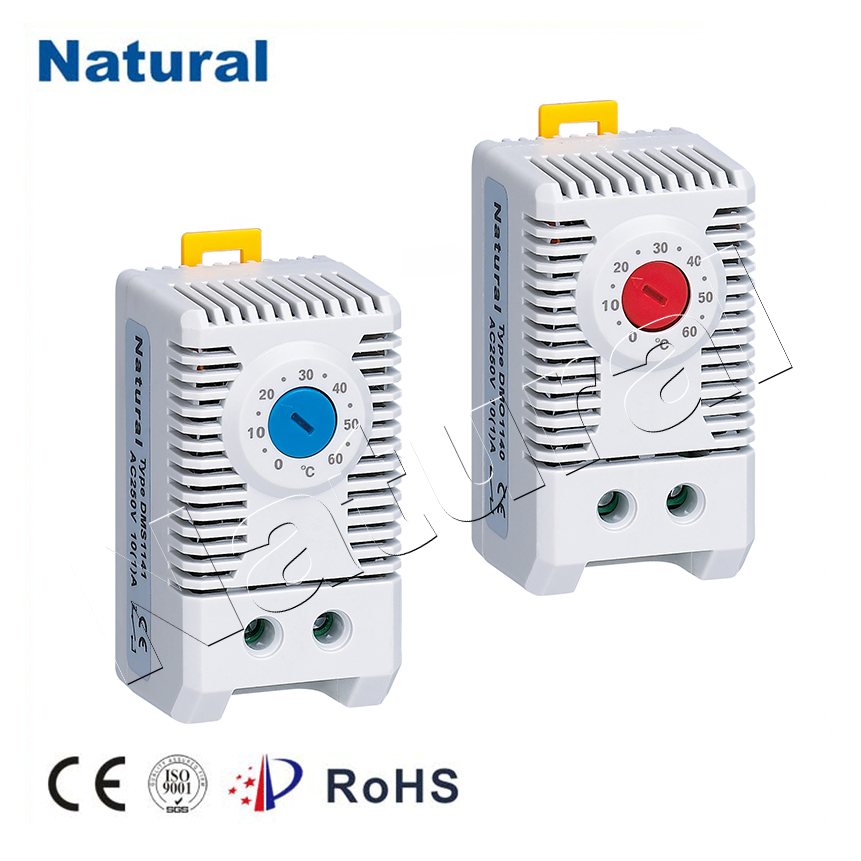
In today’s energy-conscious world, maintaining a comfortable indoor climate while minimizing energy costs is more crucial than ever. The 24V DC thermostat emerges as a practical solution to this challenge, effectively balancing temperature regulation with energy efficiency. This comprehensive guide will delve into the functionality, advantages, applications, and installation considerations of 24V DC thermostats, helping you understand why this device is an essential component of modern heating, ventilation, and air conditioning (HVAC) systems.
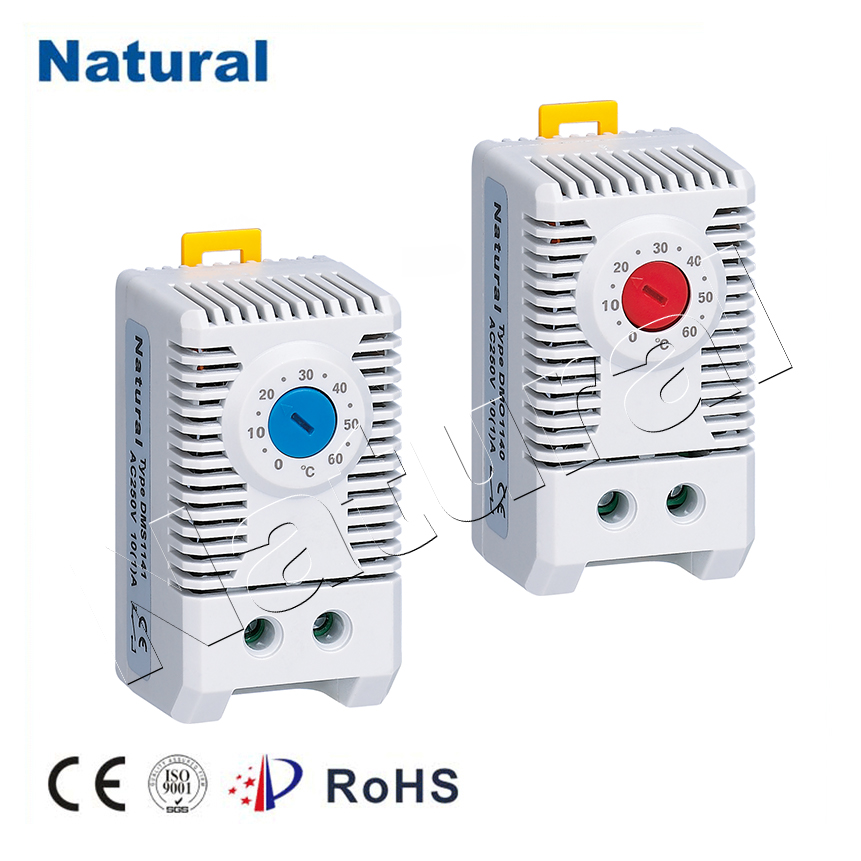
What is a 24V DC Thermostat?
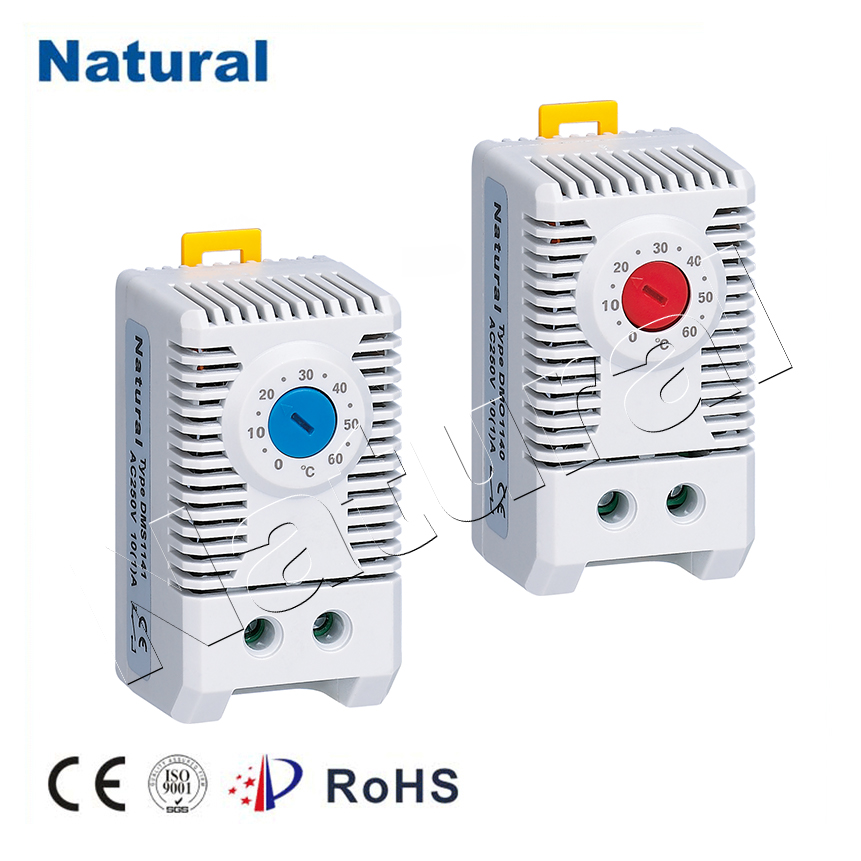
A 24V DC thermostat is a device designed to regulate the temperature of indoor environments using a 24-volt direct current power supply. Unlike traditional 120V or 240V thermostats, which are connected to higher voltage systems, the 24V DC variant is often powered by a transformer that steps down the voltage from the main electrical supply. This lower voltage design increases safety, making it an ideal choice for residential and commercial buildings. How Does It Work? The operation of a 24V DC thermostat is relatively straightforward. It consists of internal components such as temperature sensors, switches, and control circuitry. When the thermostat detects that the ambient temperature deviates from the set point—either rising above or dropping below it—it sends an electronic signal to the HVAC system to either turn on or off the heating or cooling units. This feedback loop allows for precise temperature control within the space, keeping it comfortable all year round.