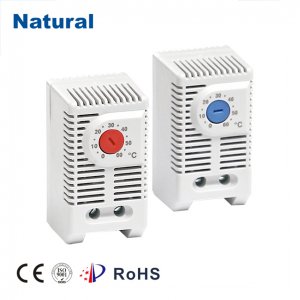
In modern technology, maintaining optimal temperature conditions within various environments is crucial for both comfort and efficiency. One of the most effective and innovative devices designed to achieve this is the differential thermostat. This device has gained prominence in applications ranging from home heating and cooling systems to industrial processes and greenhouse management. Understanding the differential thermostat, its workings, applications, and advantages can shed light on its role in enhancing efficiency and comfort.
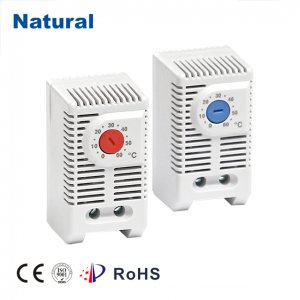
What is a Differential Thermostat?
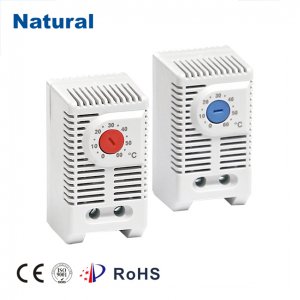
A differential thermostat is an electronic or mechanical control device that regulates temperature based on the difference between two temperature readings. It typically consists of two temperature sensors placed in distinct locations. The thermostat monitors the temperature from these sensors and takes action (either turning a heating or cooling system on or off) based on the preset temperature differential. This feature allows for precise control of temperature variations in an environment, making it an essential component in various systems. How Does it Work? The operational principle of a differential thermostat is straightforward. It continuously compares the temperatures recorded by its two sensors. For instance, in a heating system, one sensor might be placed indoors while the other is located outdoors. As the thermostat monitors these temperatures, it can determine whether the indoor space requires heating or cooling to maintain the desired comfort level.