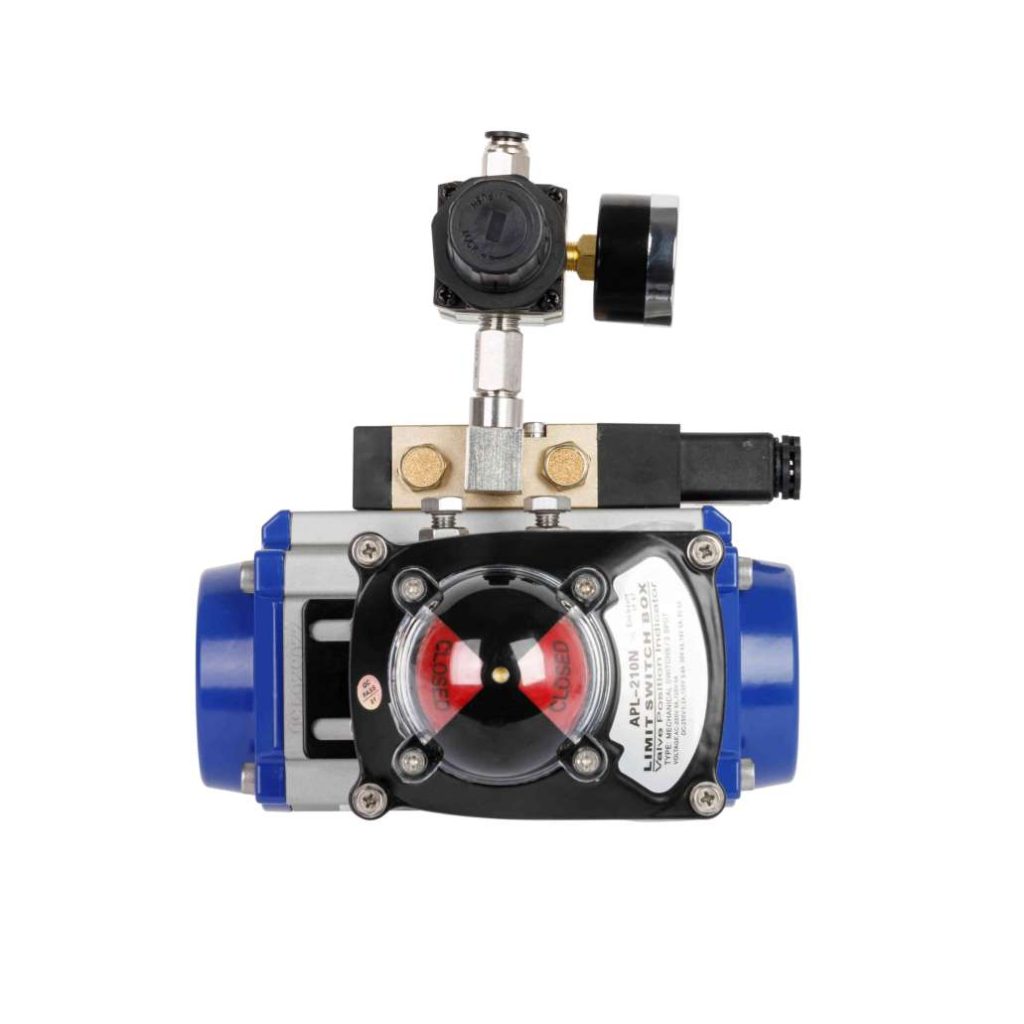
The pneumatic actuator is a vital component in various industrial applications, providing power and automation through the manipulation of compressed air. By harnessing the potential energy of compressed air, pneumatic actuators convert this energy into mechanical motion, allowing machines and devices to operate efficiently and effectively. This article delves into the functionality, advantages, and applications of pneumatic actuators, showcasing their significance in modern automation.
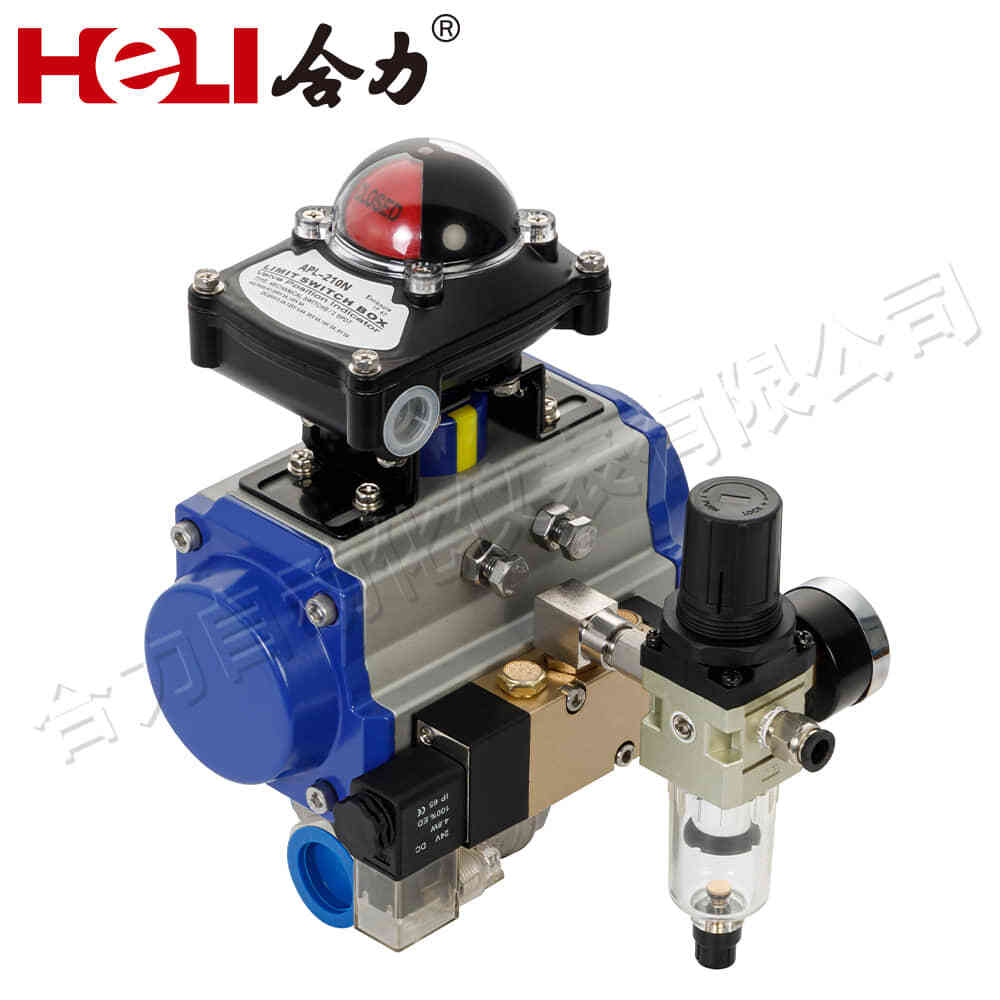
Functionality of Pneumatic Actuators
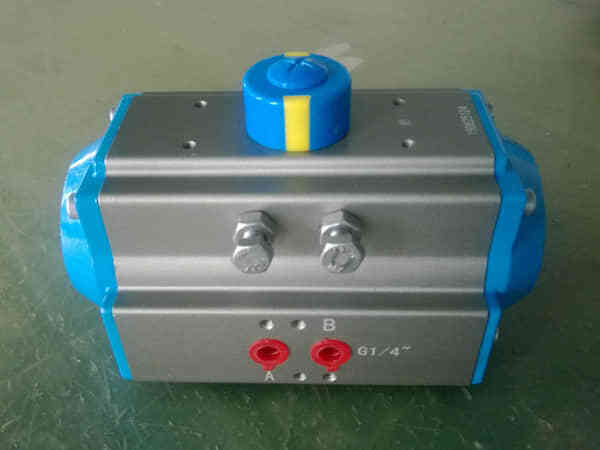
At its core, a pneumatic actuator operates by utilizing air pressure to drive a mechanical component, typically a piston or diaphragm. When compressed air is introduced into the actuator, it exerts pressure on the piston or diaphragm, creating force that results in linear or rotary motion. The primary types of pneumatic actuators are: Linear Actuators: These actuators produce straight-line motion. They are commonly employed in valve control, where they move the valve stem up and down to open or close the flow of liquids or gases. Rotary Actuators: These actuators generate rotational motion. They are often used in applications where valves must be turned to control flow, such as quarter-turn valves.