In the ever-evolving landscape of modern electronics, the significance of proper airflow management cannot be overstated. Among the various components that facilitate effective cooling and preserve the longevity of electronic devices, enclosure fan filters play a vital role. These filters not only enhance the efficiency of ventilation systems but also protect sensitive components from dust, debris, and other pollutants. This article delves into the features, benefits, and applications of enclosure fan filters, emphasizing their essential role in safeguarding electronic equipment.
What is an Enclosure Fan Filter?
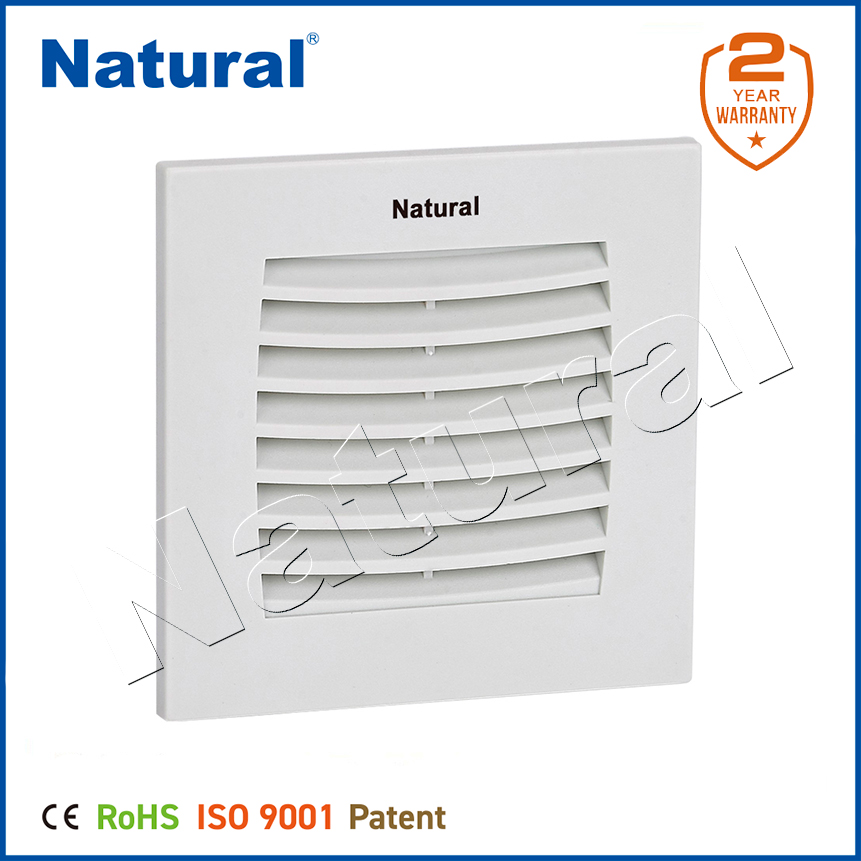
An enclosure fan filter is a specialized device designed to improve the quality of air entering an electronic enclosure. Typically installed on intake fans, these filters capture particulate matter, such as dust and allergens, effectively preventing them from entering sensitive equipment. Enclosure fan filters come in various sizes, shapes, and materials, allowing them to be tailored to fit diverse applications from industrial machinery to consumer electronics. Key Features of Enclosure Fan Filters Material and Design: Enclosure fan filters are made from various materials, including polyester, foam, and HEPA (High-Efficiency Particulate Air) filters. The choice of material directly affects the filter’s efficiency and the size of particles it can capture. HEPA filters, for instance, can capture 99.97% of particles as small as 0.3 microns, making them suitable for critical applications in clean rooms and medical equipment.