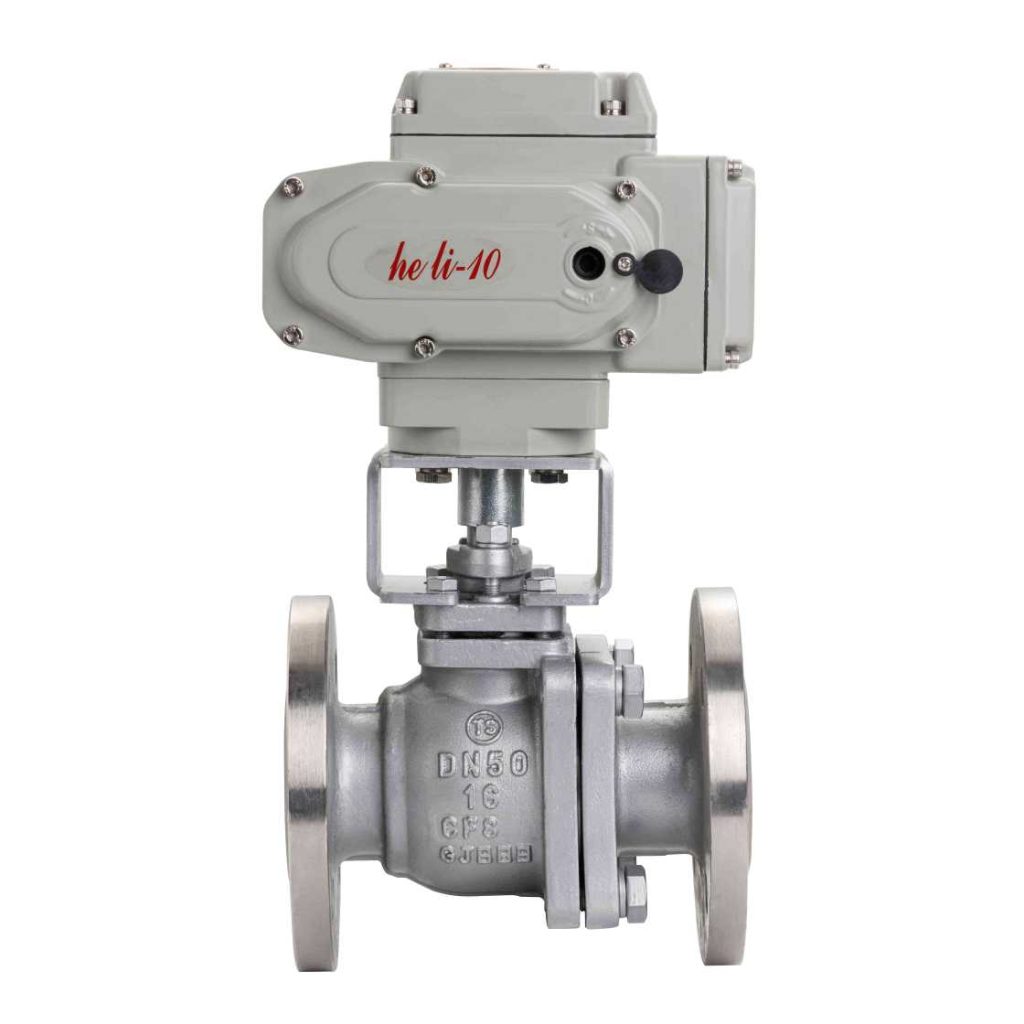
In the modern industrial landscape, the need for efficient, reliable, and highly durable fluid control solutions has never been more critical. Among the various options available, the stainless steel electric anti-corrosion ball valve stands out as a preeminent choice for a broad range of applications. This article delves into the construction, advantages, applications, and why this valve is becoming an indispensable asset in various industries.
Construction
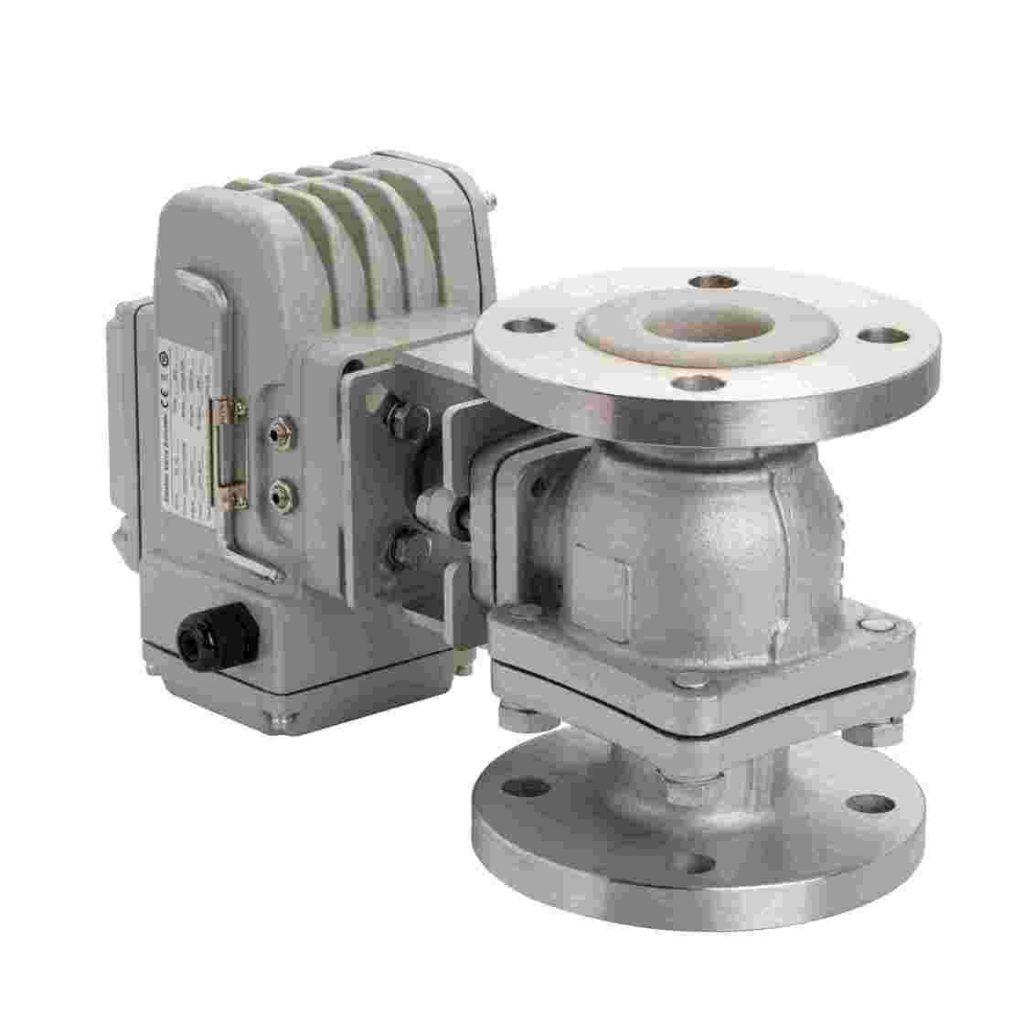
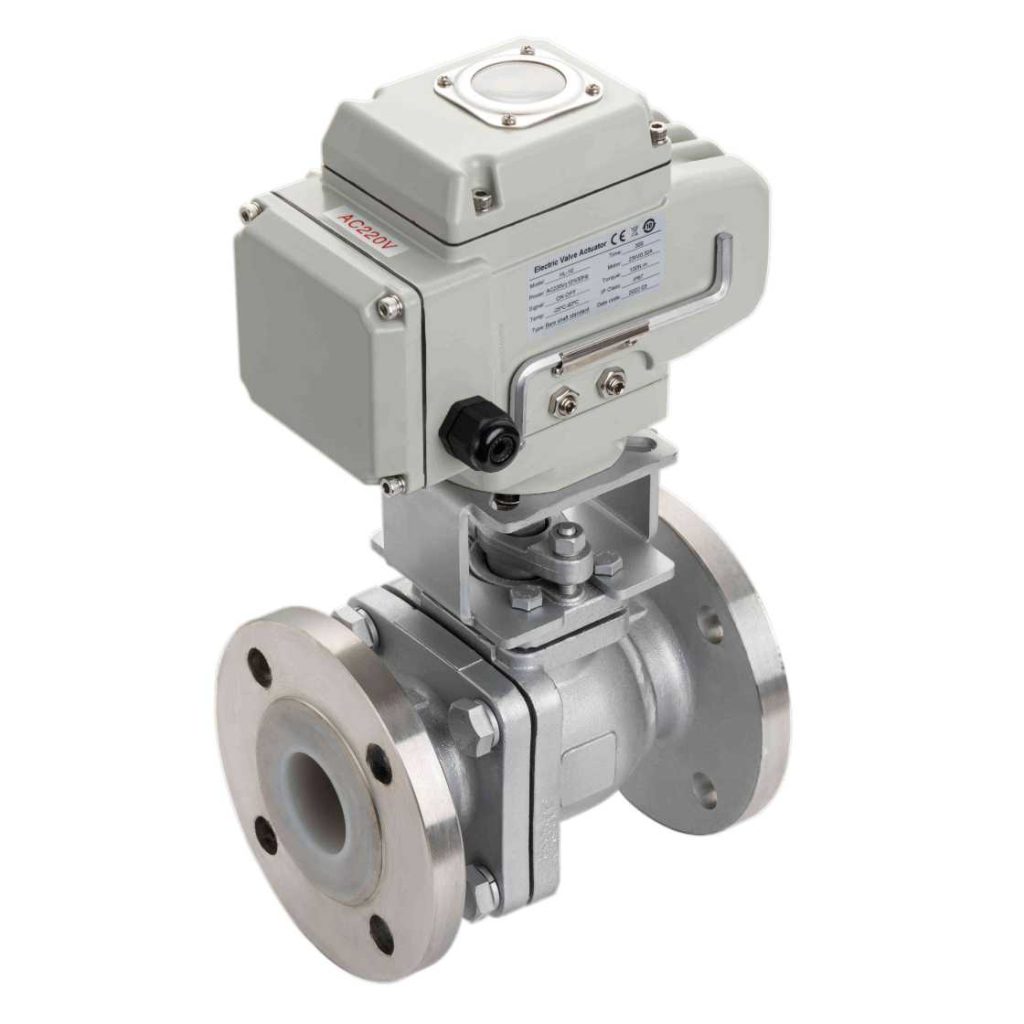
Stainless steel electric anti-corrosion ball valves are engineered from high-grade stainless steel, typically 304 or 316 alloys, specifically chosen for their excellent corrosion-resistant properties. This makes them ideal for use in hostile environments where they might be exposed to corrosive substances—such as chemicals, sea water, or even acidic fluids. The core of this type of valve is its spherical closure element, or “ball,” which is machined with a cylindrical hole that allows fluid to pass through when the valve is in the open position. The electric actuation mechanism rapidly opens and closes the valve, offering precise control over fluid flow. These valves are typically designed to operate at a 90-degree turn, providing quick and effective switching.