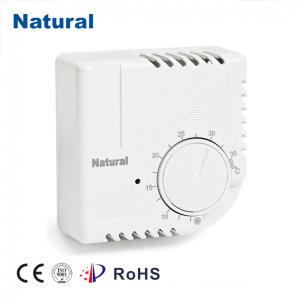
An adjustable temperature control switch is a versatile and essential component used in many electronic and mechanical systems to regulate and maintain desired temperature levels. These switches provide a simple yet effective way to manage the performance of appliances and equipment that require consistent thermal control, ensuring optimal functioning and safety. This article explores the features, working principle, and common applications of adjustable temperature control switches.
What is an Adjustable Temperature Control Switch?
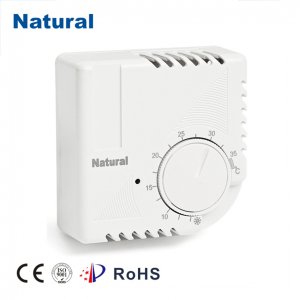
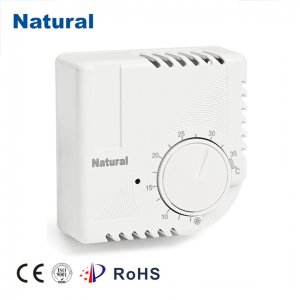
An adjustable temperature control switch is a device that allows users to set and control the temperature within a specified range. Once the temperature reaches the preset level, the switch activates or deactivates a system (e.g., a heating or cooling mechanism) to maintain the set temperature. These switches are commonly used in both domestic and industrial applications, offering both convenience and energy efficiency. The typical design of an adjustable temperature control switch includes a temperature-sensing element (such as a thermistor or thermostat), a temperature adjustment knob or dial, and a switching mechanism. These components work together to monitor the temperature and control the activation of the system. The user can adjust the desired temperature, and the switch will ensure that the system remains within that range.