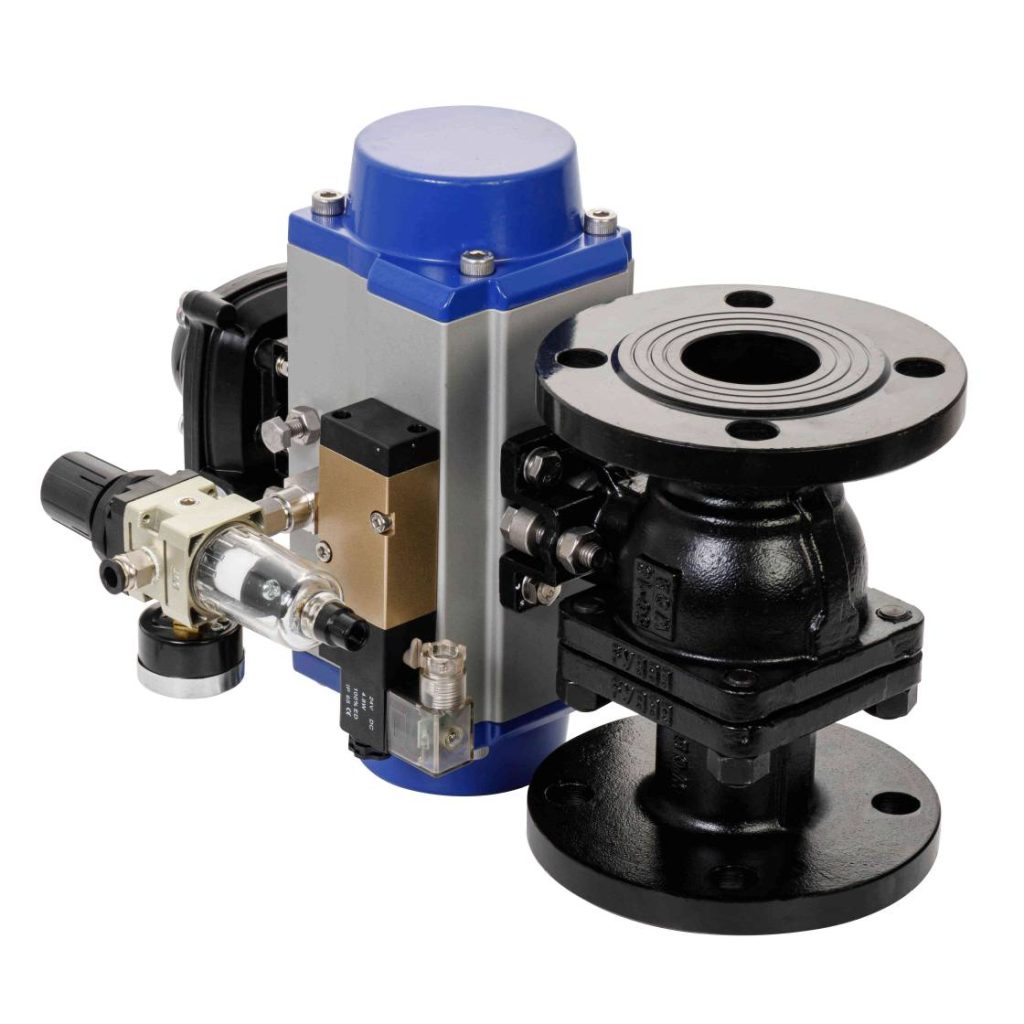
The pneumatic ball valve is an essential component in a variety of industrial applications where precise control of fluid flow is required. Leveraging compressed air as a driving force, this valve type allows for quick and reliable operation, ensuring efficient process management in sectors ranging from oil and gas to pharmaceuticals. In this article, we will explore the fundamental aspects of the pneumatic ball valve, including its design, working principles, advantages, disadvantages, and real-world applications.
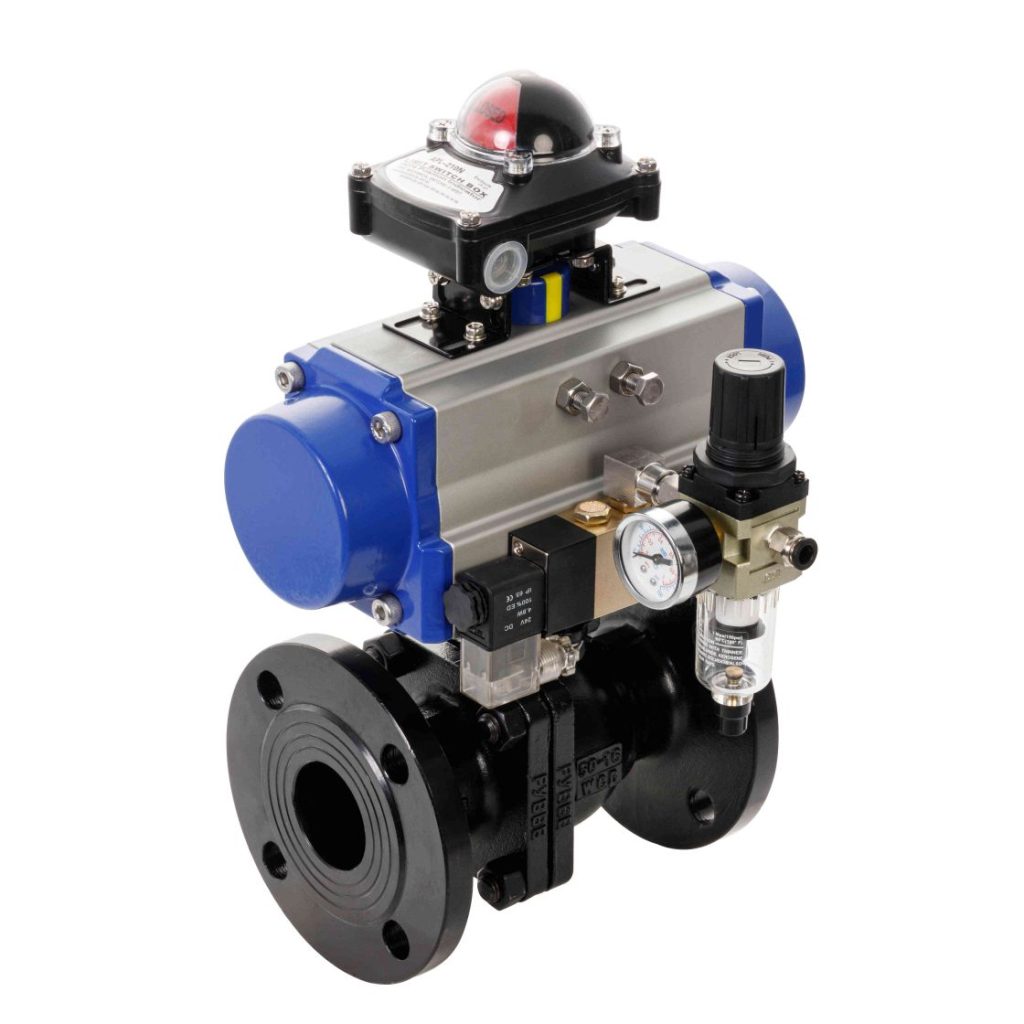
Design and Components
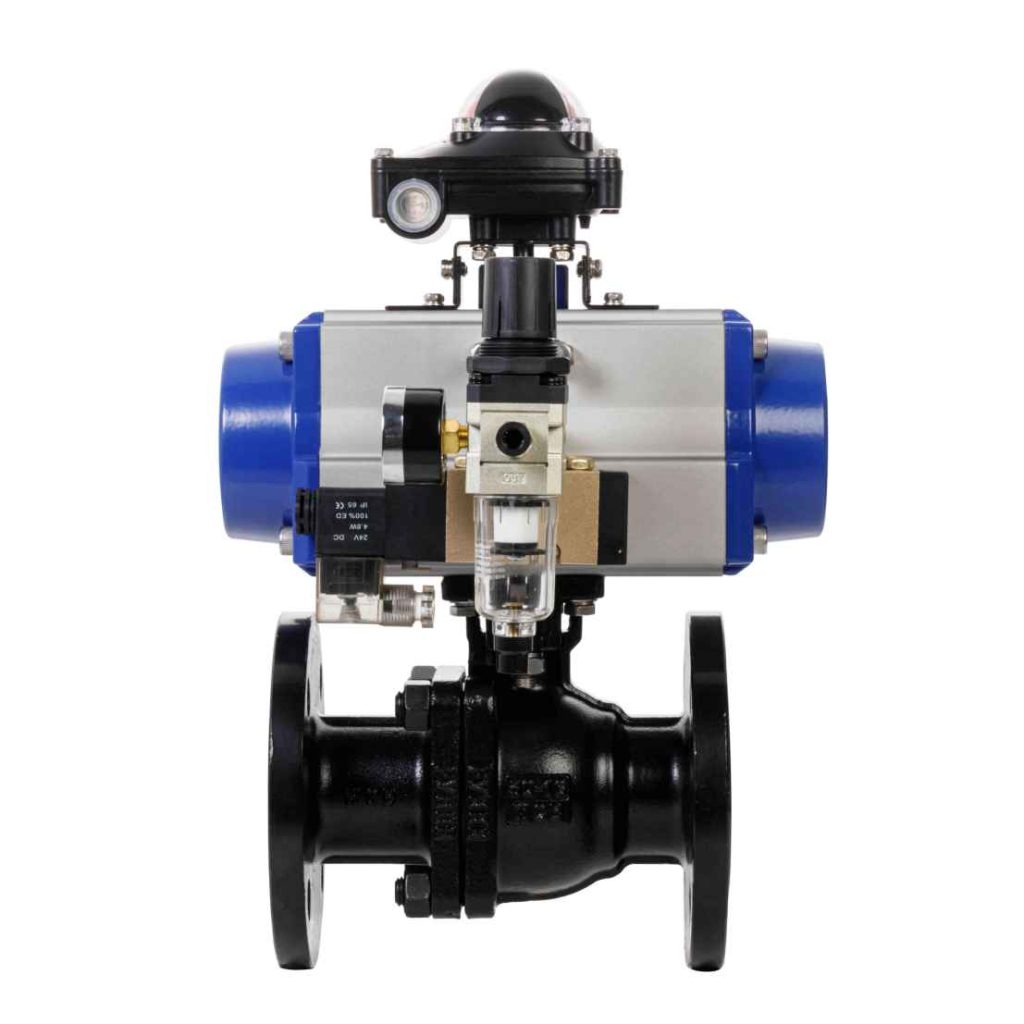
At its core, a pneumatic ball valve consists of several key components: the valve body, the ball, the valve seat, and the pneumatic actuator. Valve Body: The valve body serves as the main housing for the internal components and is designed to withstand the pressure of the fluid it regulates. Typically made from metals like stainless steel or carbon steel, the choice of material often depends on the nature of the fluid and the operating conditions. Ball: The ball is the central part of the valve that controls flow. It features a hole, or port, through which the fluid passes. When the ball is aligned in the open position, the port allows fluid to flow easily. Rotating the ball 90 degrees to the closed position blocks the port, stopping the flow.