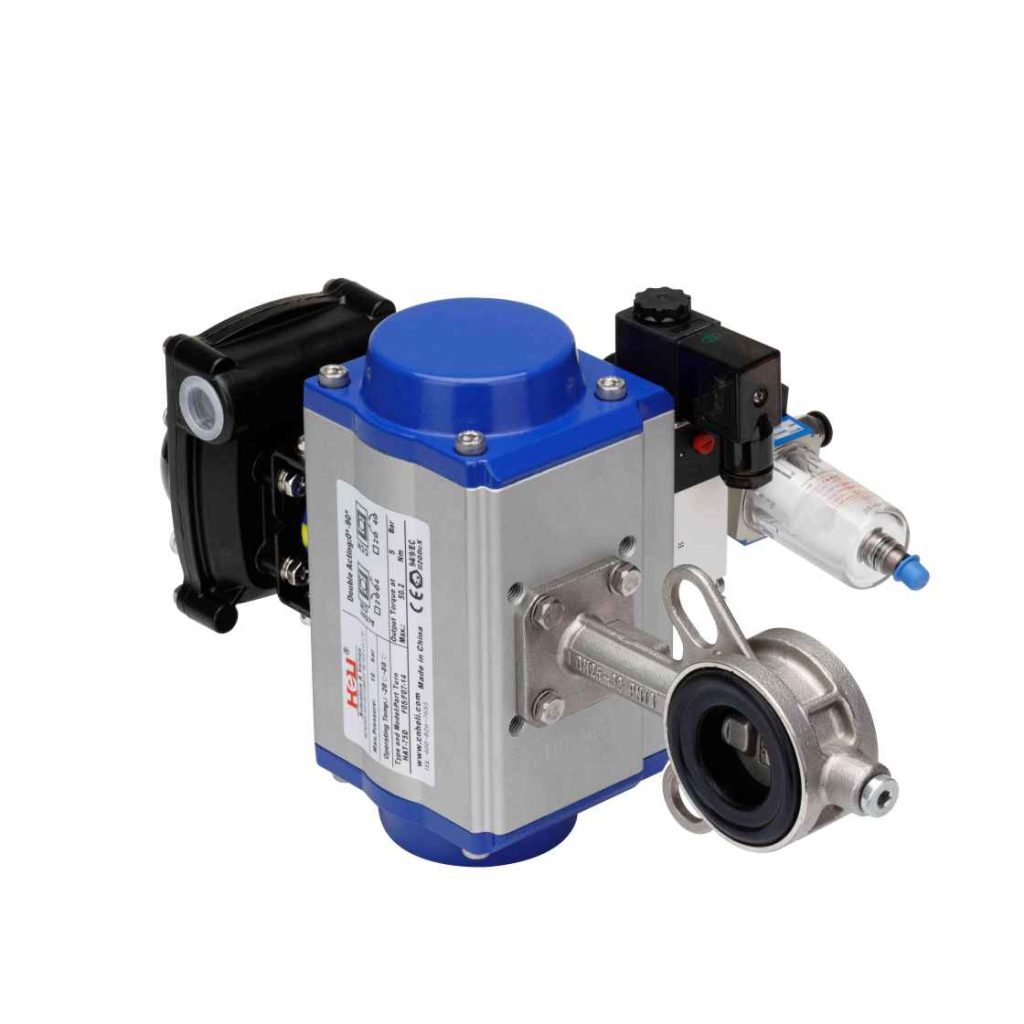
The pneumatic butterfly valve is a widely utilized device in industrial processes designed for controlling and regulating fluid flow. Its efficient operation, compact design, and significant adaptability make it a preferred choice across a range of applications, from water treatment facilities to chemical processing plants. This article delves into the nature of pneumatic butterfly valves, exploring their design, functioning, advantages, and applications in various industries.
Design and Components
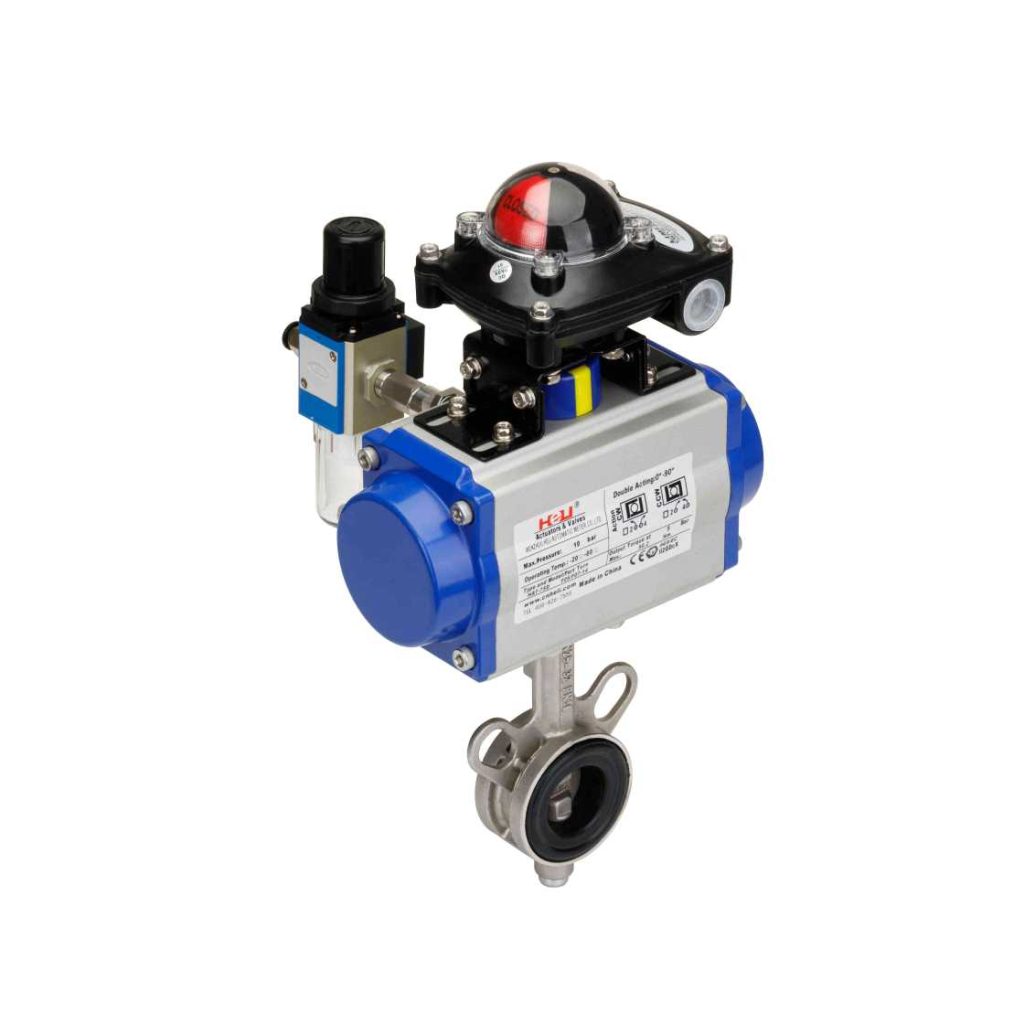
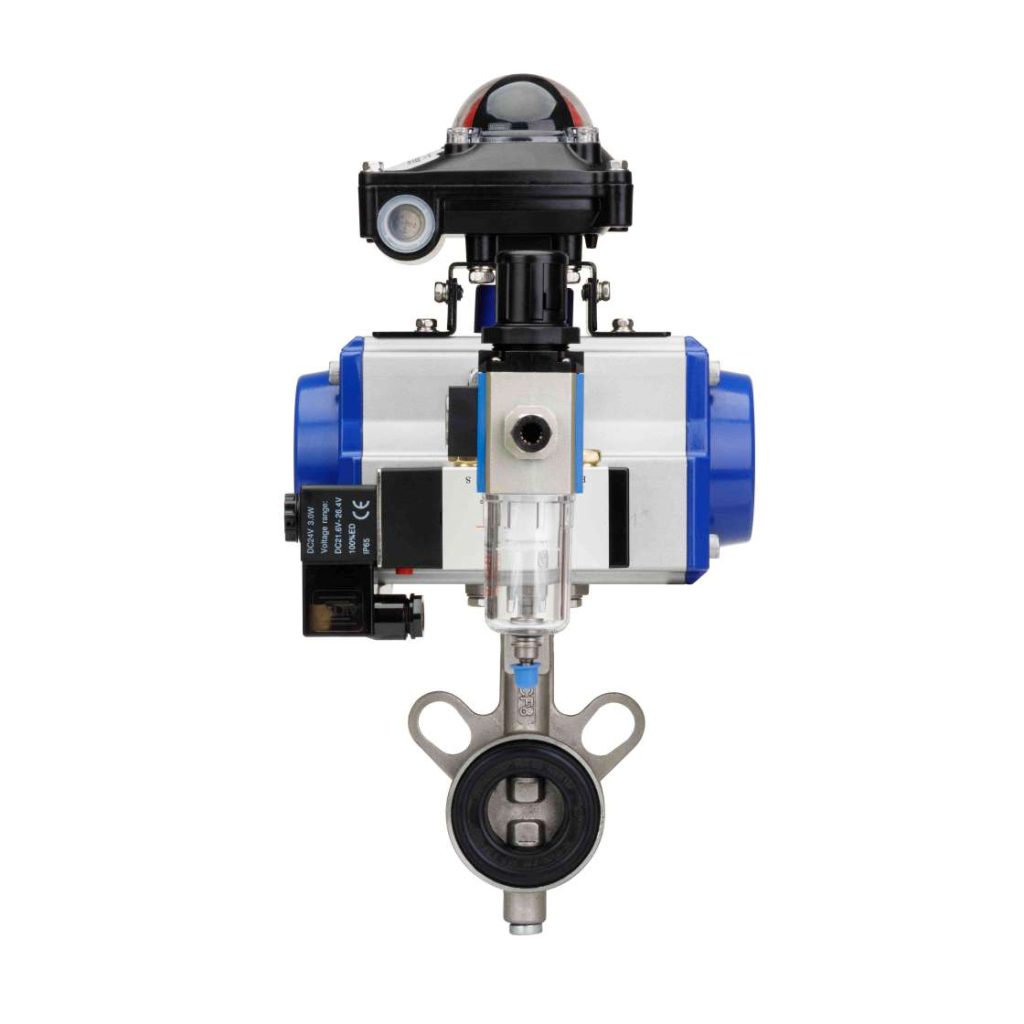
A typical pneumatic butterfly valve consists of several essential components. At its core is the valve body, which contains an internal disc or butterfly plate mounted on a shaft. This disc rotates within the valve, controlling the passage of flow through the valve body. The material of the valve body may vary, with options ranging from cast iron to stainless steel, depending on the specific application’s requirements and the type of fluid being handled. The pneumatic actuator is another critical component that drives the butterfly plate’s rotation. It is powered by compressed air, making the valve capable of quick and efficient operation. There are primarily two types of pneumatic actuators used with butterfly valves: single-acting and double-acting actuators. A single-acting actuator uses air pressure to move the disc in one direction and relies on a spring mechanism to return it, while a double-acting actuator provides motion in both directions using air pressure.