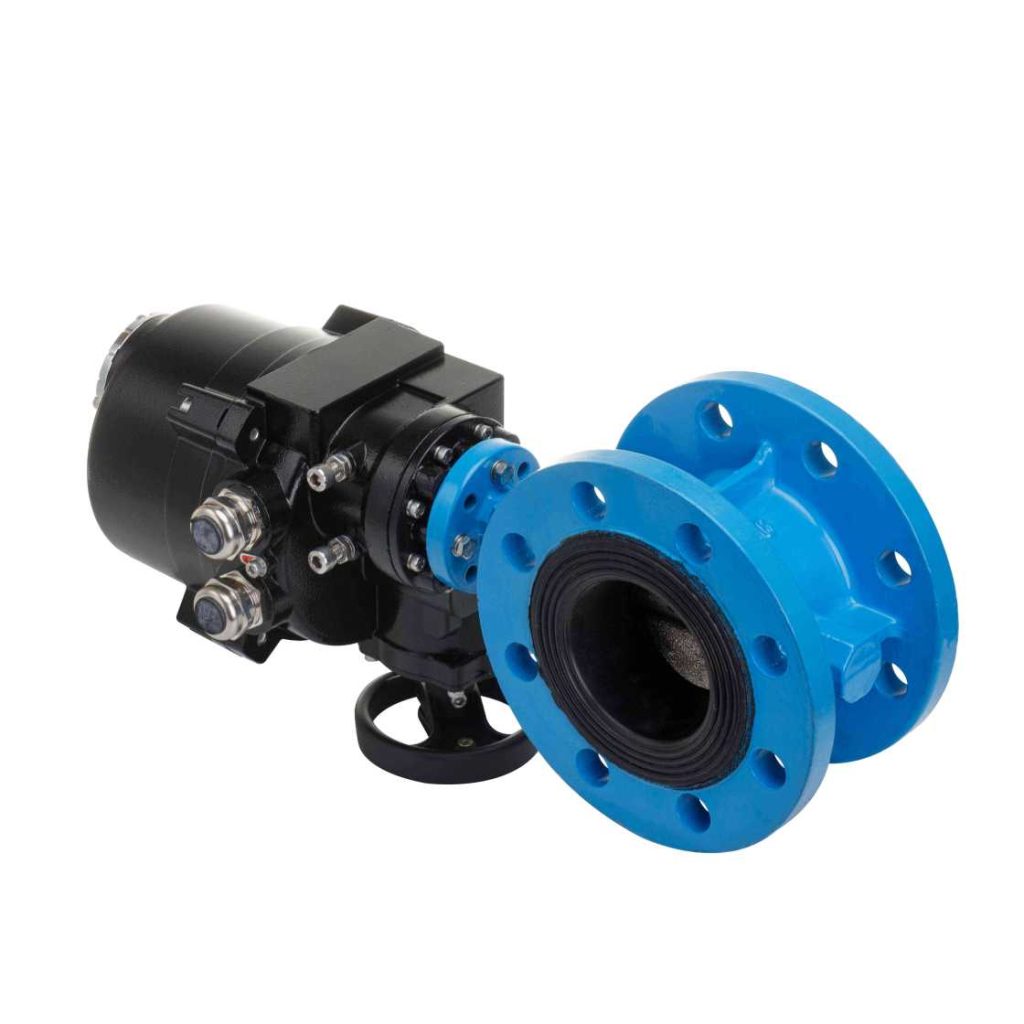
An electric flanged butterfly valve is an essential component used in fluid control systems across various industries. Known for its reliable performance, compact design, and efficient operation, this valve plays a crucial role in regulating the flow of liquids and gases within pipelines. This article explores the design features, benefits, and applications of the electric flanged butterfly valve, providing a comprehensive understanding of why it is favored by engineers and operators worldwide.
What Is an Electric Flanged Butterfly Valve?
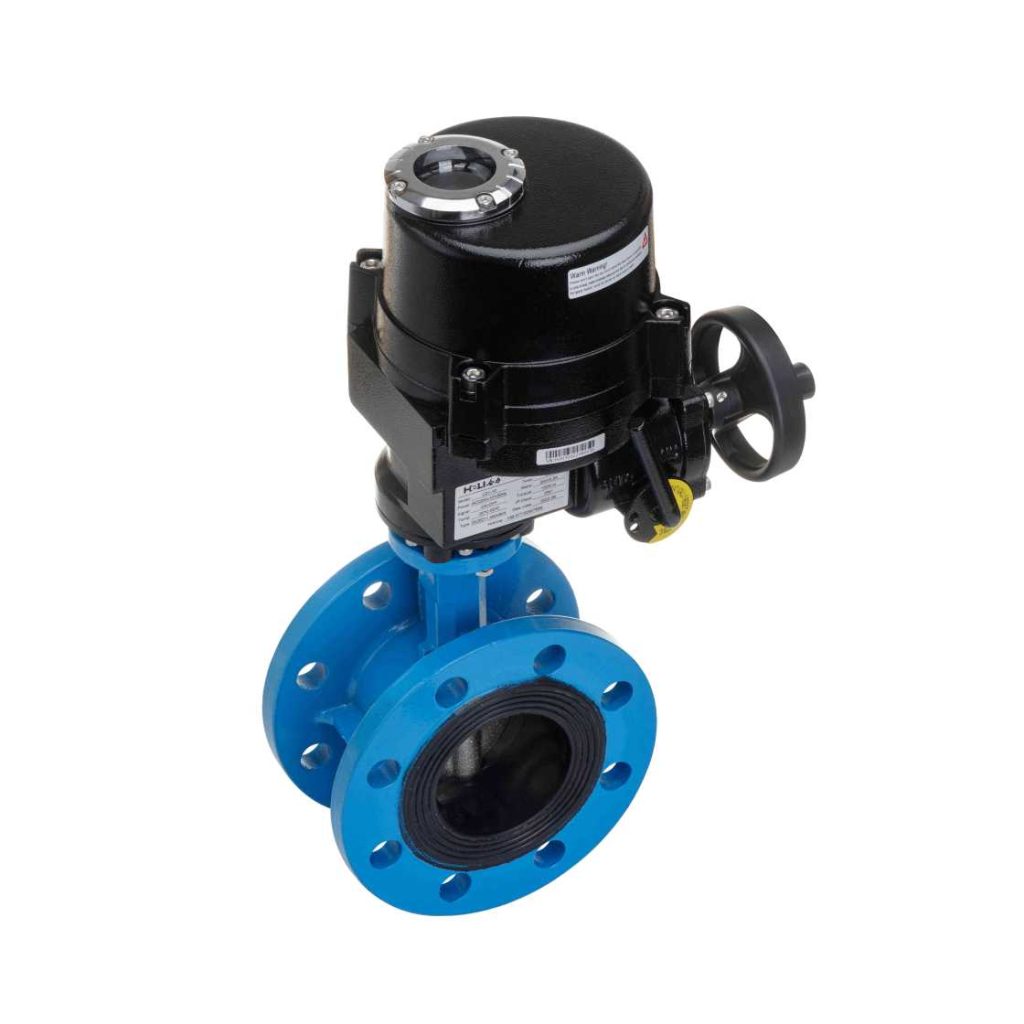
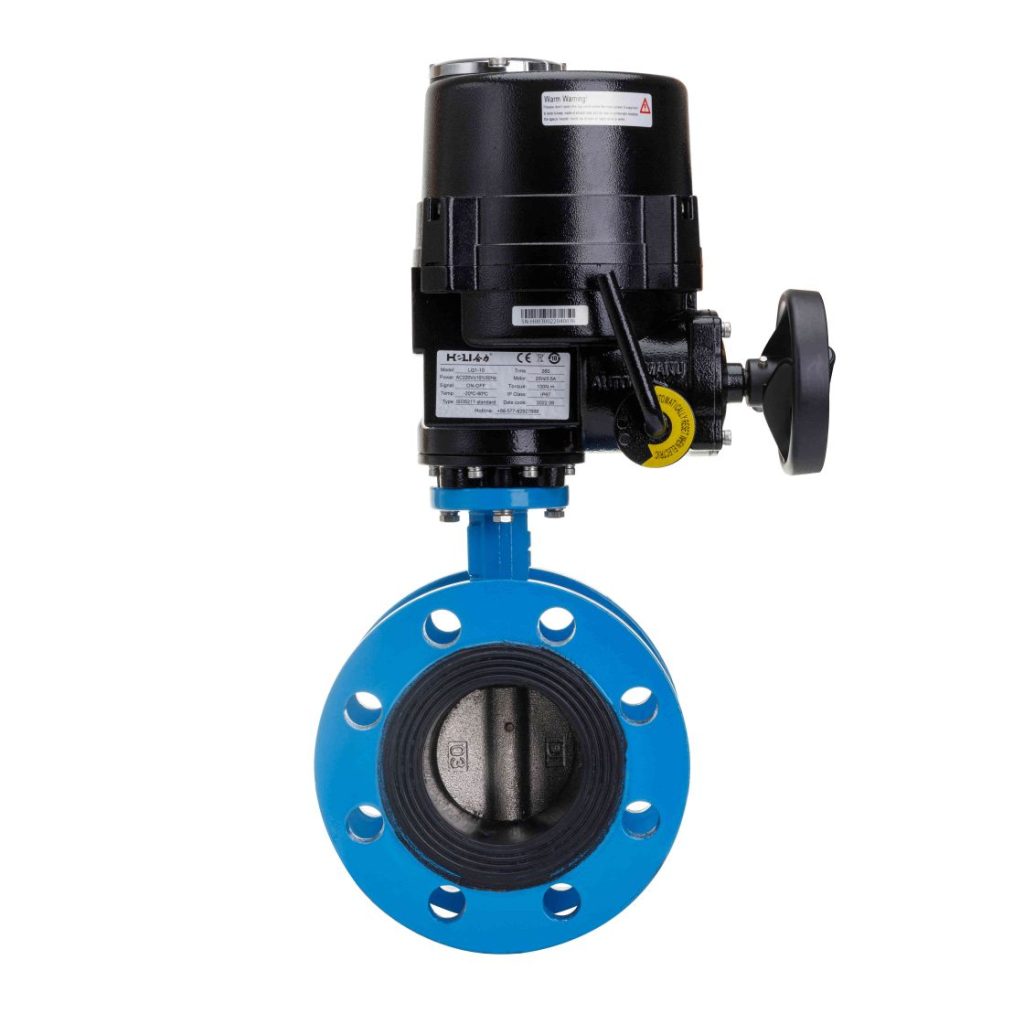
An electric flanged butterfly valve consists of a disc that rotates within the pipe to control the flow of fluid. The disc is mounted on a shaft, which is connected to an electric actuator. The actuator is responsible for turning the disc to open or close the valve, thus controlling the flow rate. The “flanged” design refers to the valve’s connection to the pipeline, where flanges are used to bolt the valve into place. These flanges provide a secure and leak-proof connection to the pipe, ensuring the valve remains firmly in position during operation. The electric actuator that powers the valve is equipped with an electric motor, which converts electrical energy into mechanical motion. This automation allows for precise control over the valve’s position, offering significant advantages in terms of remote operation, safety, and efficiency.