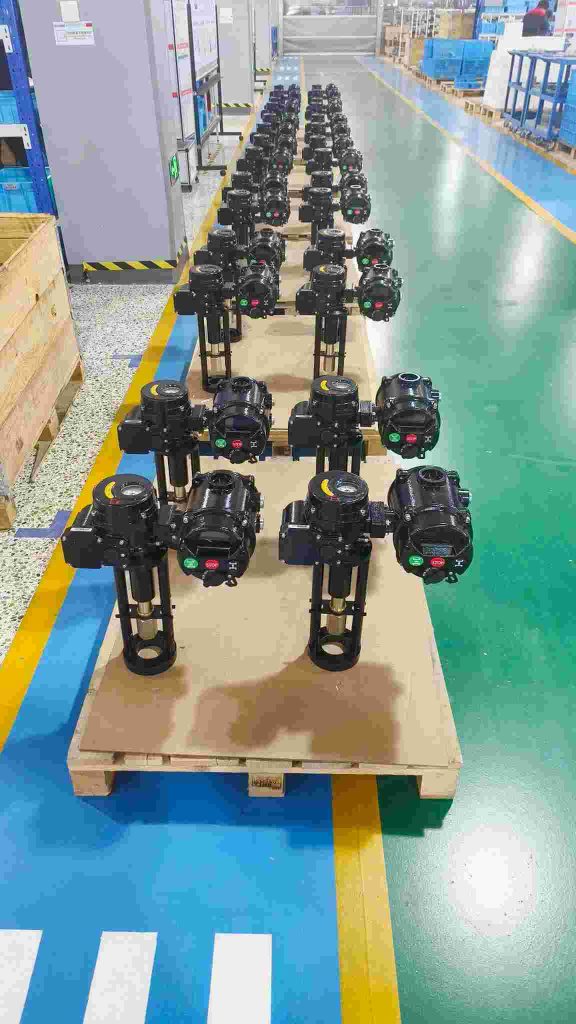
In the ever-evolving landscape of automation technology, the Intelligent Integrated Actuator (IIA) represents a remarkable leap forward. Combining the functions of actuators, sensors, and controllers into a single, cohesive unit, IIAs streamline operations, enhance precision, and foster adaptive intelligence in industrial processes. This article delves into the significance, functionality, and applications of Intelligent Integrated Actuators, highlighting their transformative role in modern automation systems.
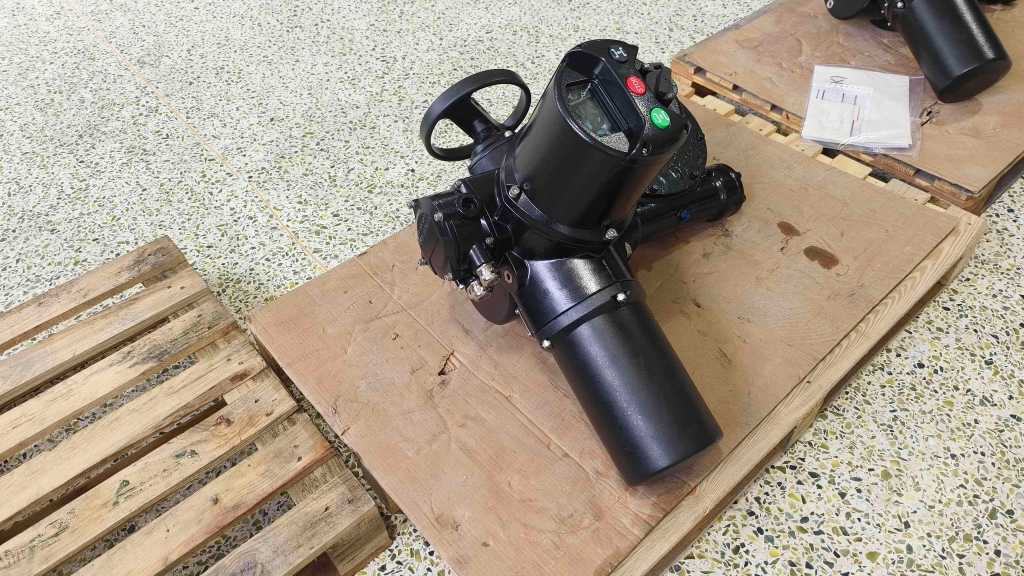
Understanding Intelligent Integrated Actuators
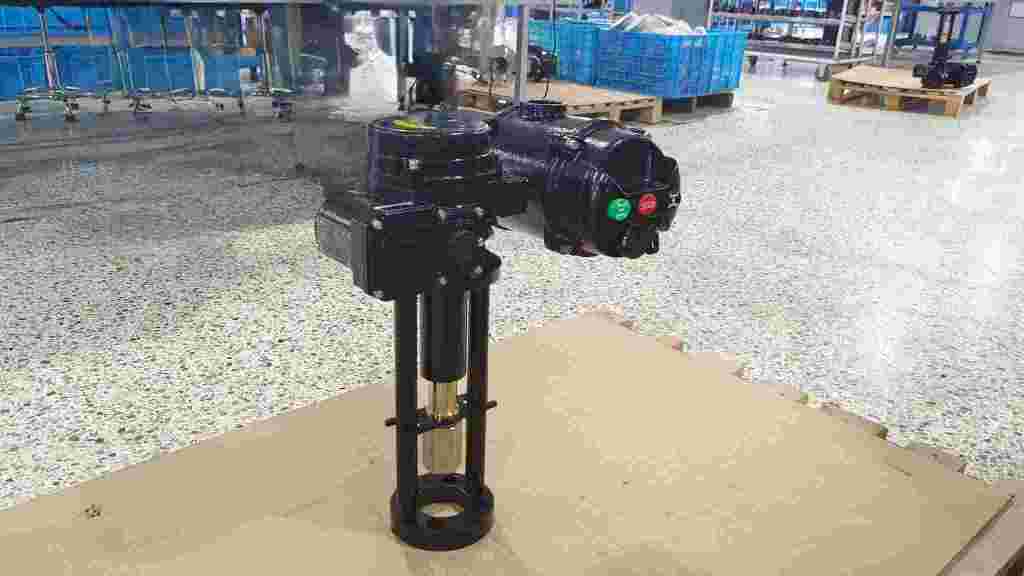
An Intelligent Integrated Actuator is a sophisticated device designed to perform mechanical movements while incorporating electronic and software elements for enhanced control. Unlike traditional actuators, which mainly consist of mechanical components that create motion, IIAs are equipped with embedded sensors and advanced control algorithms. This integration allows them to not only execute commands but also to adapt to real-time conditions, gather data, and make autonomous decisions. Key Features of Intelligent Integrated Actuators Compact Design: IIAs are designed to minimize space and complexity by integrating multiple functionalities into a single unit. This compactness is particularly beneficial in applications where space is at a premium, such as in robotics and automated machinery.