As the world increasingly shifts toward renewable energy sources, the demand for efficient and reliable energy storage solutions is at an all-time high. Among these solutions, lithium-ion batteries have emerged as a critical technology, powering everything from electric vehicles (EVs) to renewable energy systems. However, the performance and safety of these batteries heavily depend on their design and manufacturing, particularly the role of lithium battery valve manufacturers. This article explores the significance of these manufacturers in the broader context of energy storage and sustainability.
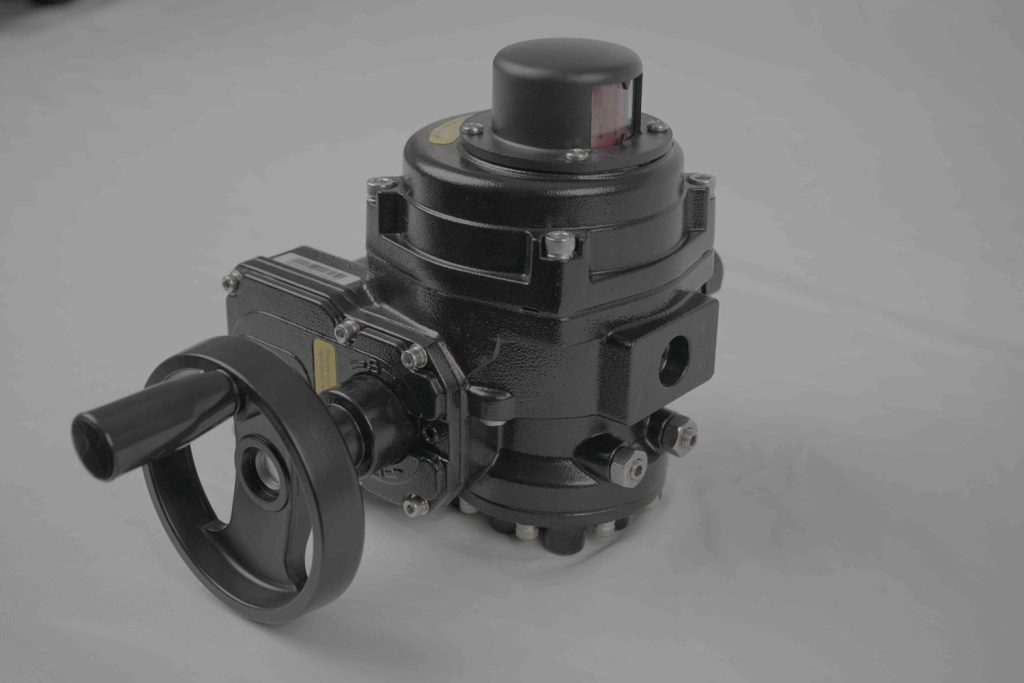
Understanding Lithium Battery Valves Lithium-ion batteries consist of several key components, and valves play a crucial role in their functionality and safety. The valves in these batteries are designed to regulate internal pressure and prevent the escape of gases, which can occur during charge and discharge cycles. In essence, they serve as safety mechanisms, ensuring that the battery operates within its designated parameters. When batteries overheat or malfunction, excess pressure can build up; valves mitigate this risk by releasing gas safely, thereby preventing catastrophic failures like explosions or fires.