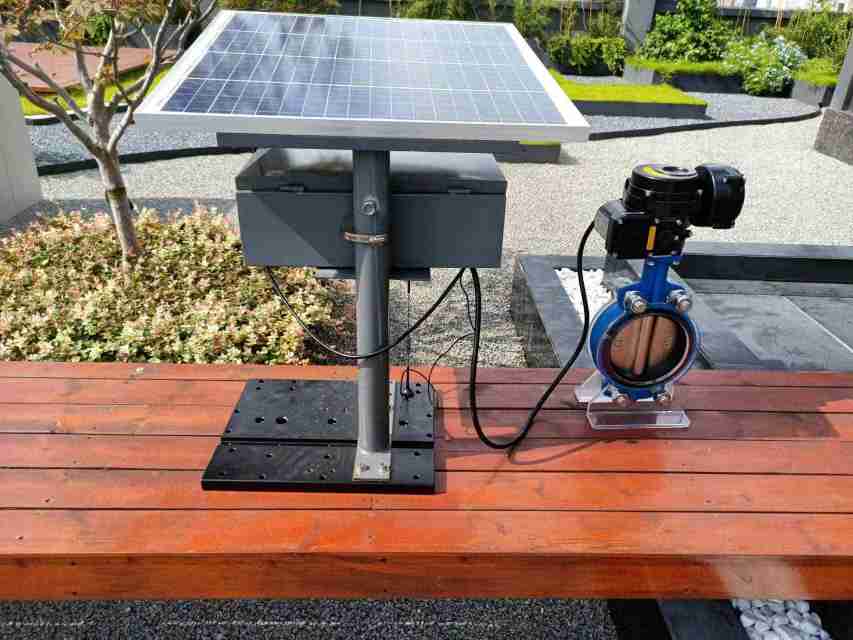
In the era of renewable energy and heightened environmental consciousness, the integration of photovoltaic technology into various industrial applications has gained significant traction. One innovative application is the photovoltaic electric valve, a device that combines solar energy conversion with fluid control mechanisms. This article delves into the workings, applications, advantages, and challenges of photovoltaic electric valves, highlighting their potential to revolutionize automation in multiple sectors.
Understanding Photovoltaic Electric Valves
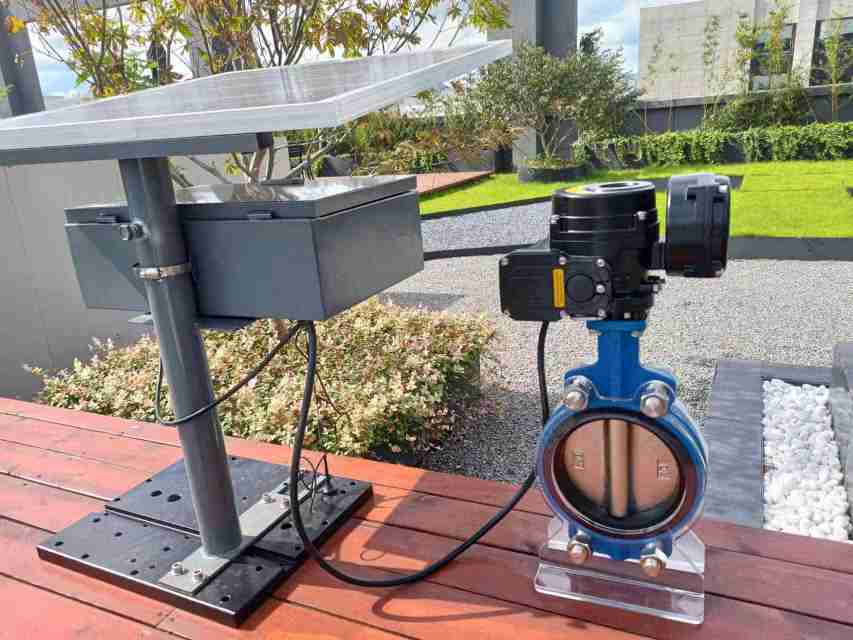
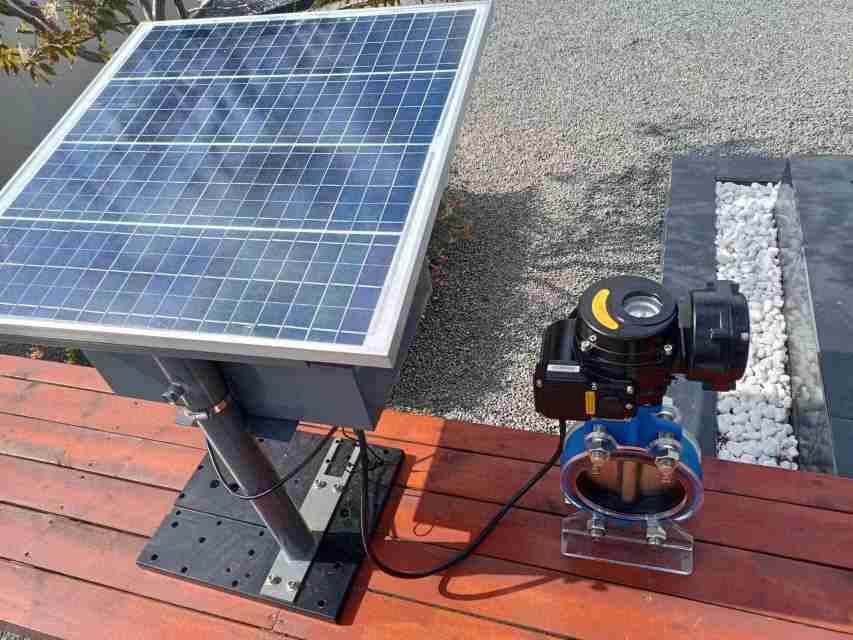
Photovoltaic electric valves operate on the principle of the photovoltaic effect, where solar panels convert sunlight into electrical energy. This energy can then be harnessed to operate electric actuators, which control the opening and closing of valves responsible for regulating the flow of liquids or gases. The design typically includes a solar panel, an electric actuator, and the valve itself, which can be crafted for a variety of applications, ranging from irrigation systems to industrial fluid management. When sunlight strikes the photovoltaic panel, it generates a direct current (DC) electricity that powers the valve’s actuator. In situations where sunlight is limited, these systems may also incorporate batteries to store energy, ensuring reliable operation regardless of weather conditions. This innovative combination allows for a greener and more efficient approach to automation, reducing reliance on traditional power sources.