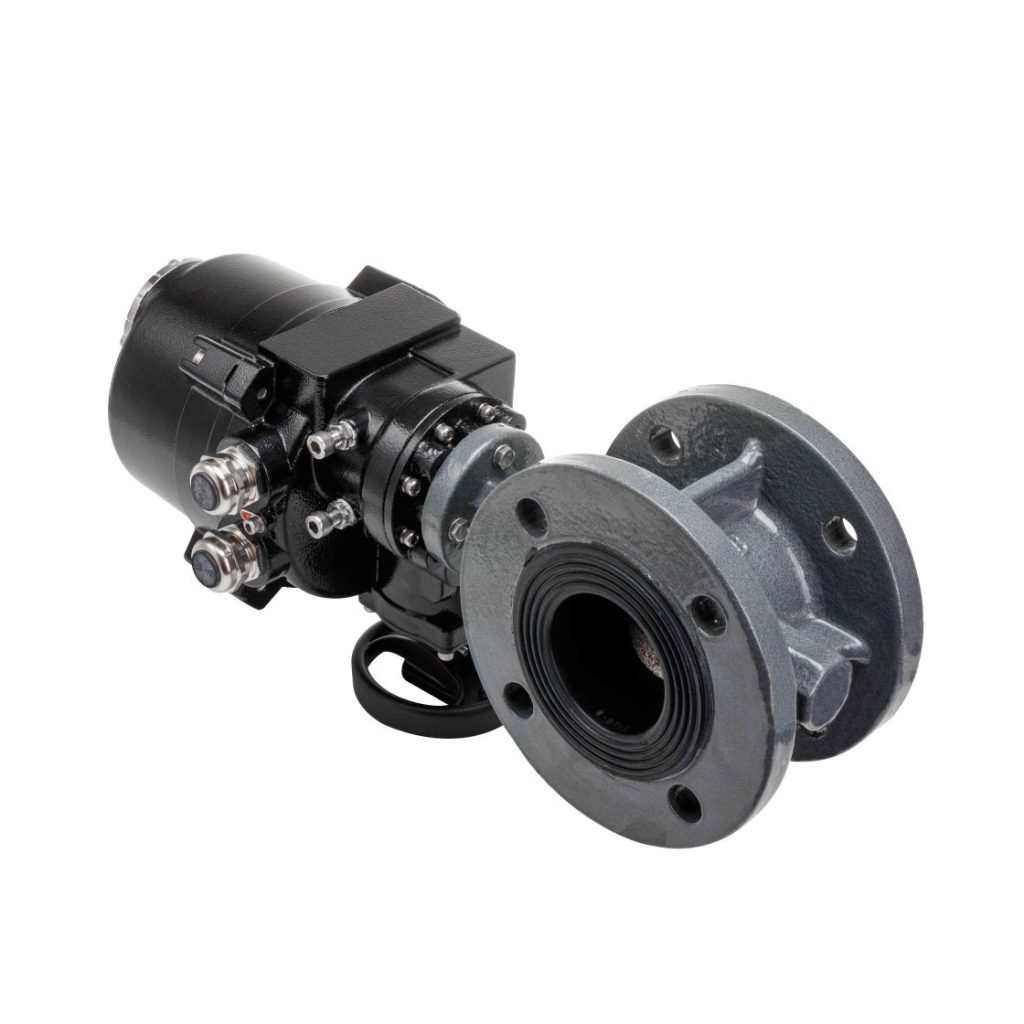
Electric ball valves are essential components in various fluid control systems, offering an efficient means for regulating the flow of liquids and gases. Utilizing an electric actuator allows for precise control and automation, making them ideal for a myriad of applications across different industries. This article delves into the features, structure, applications, and advantages of electric ball valves, providing insight into their critical role in modern engineering and fluid management.
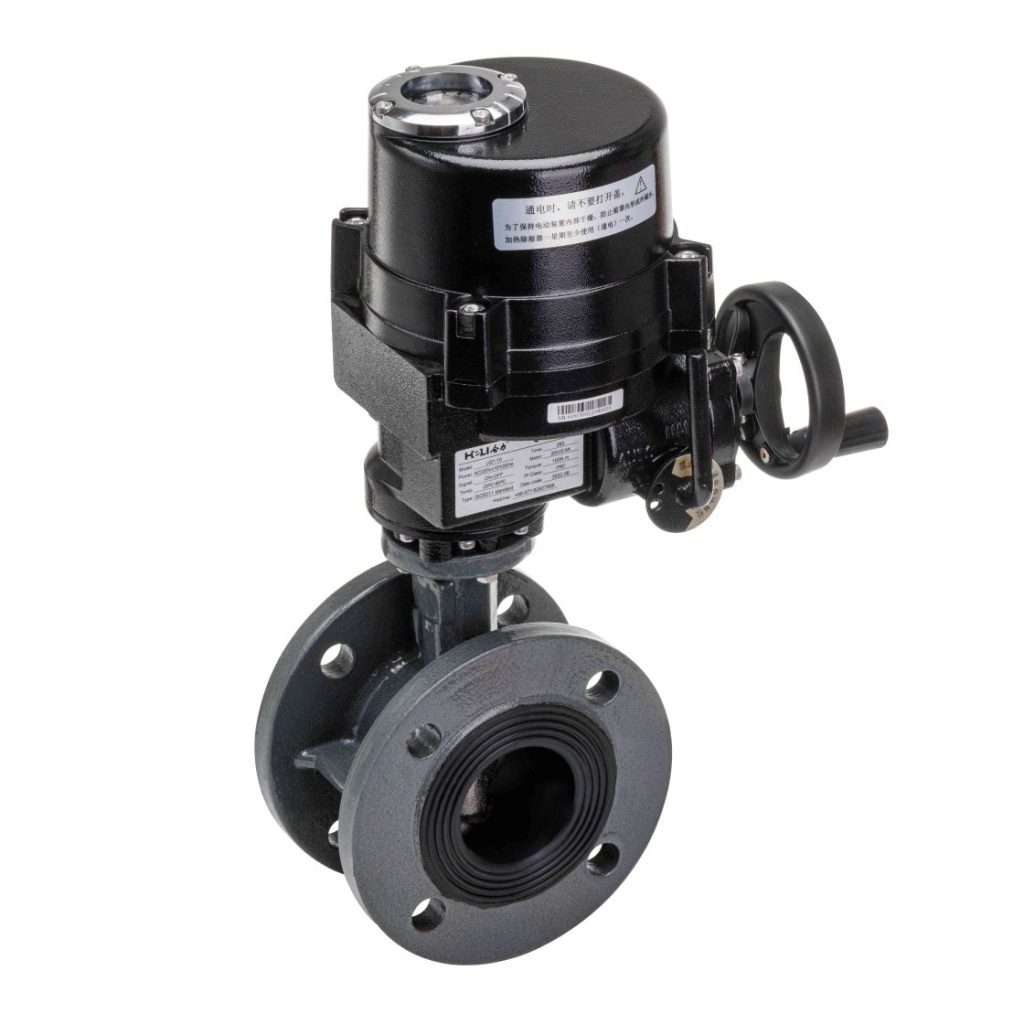
Features of Electric Ball Valves
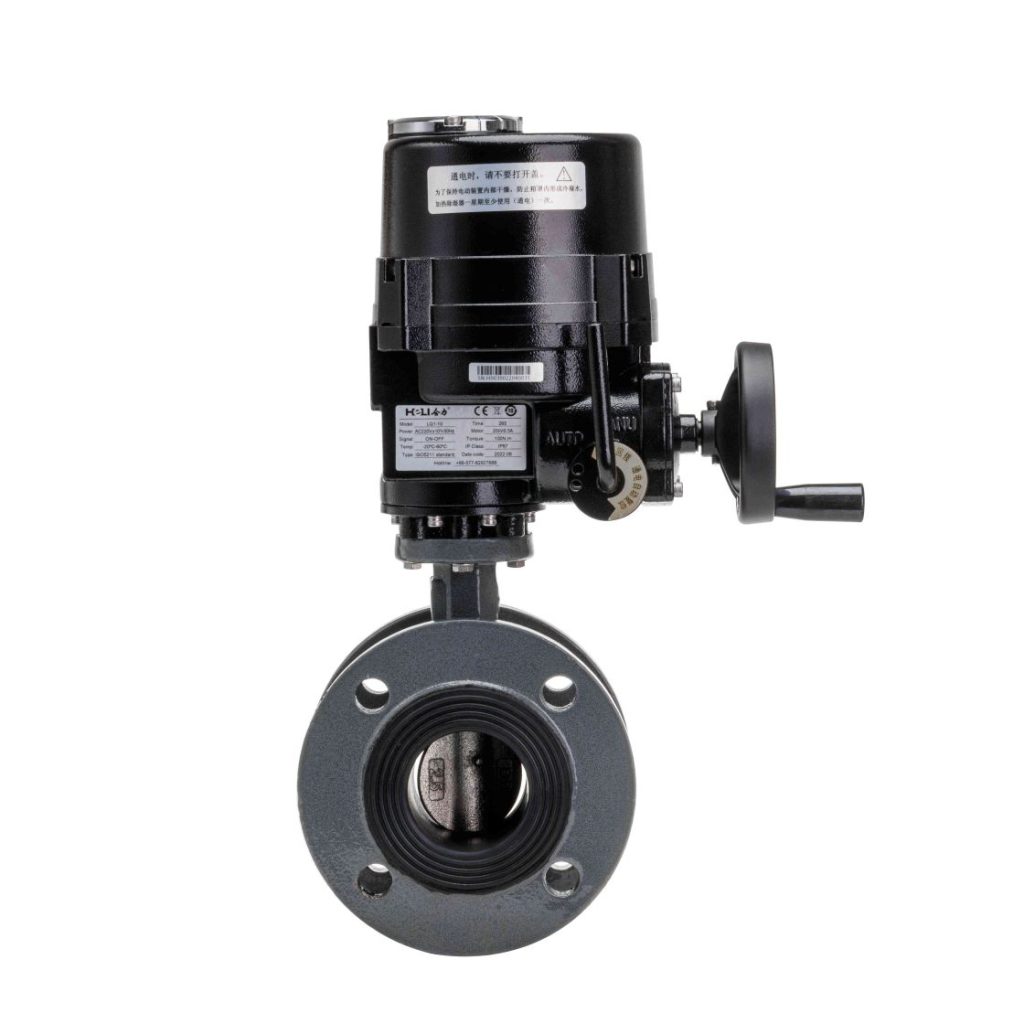
Electric ball valves are acclaimed for their rapid response times, robust sealing capabilities, and durability. Unlike manual valves, which require human intervention, electric ball valves can be operated remotely, facilitating easy automation of systems. They typically feature a spherical ball with a hole (the bore) that allows fluid to flow through when the valve is open. The valve’s actuation mechanism is powered by an electric motor that rotates the ball, transitioning it between open and closed positions effectively and efficiently. These valves are also known for their excellent sealing performance, which prevents leakage even at high-pressure scenarios. The integrity of the seal is crucial in various applications, as it helps maintain system efficiency and safety. Additionally, the materials used in electric ball valves are generally resistant to corrosion, making them suitable for handling aggressive media.