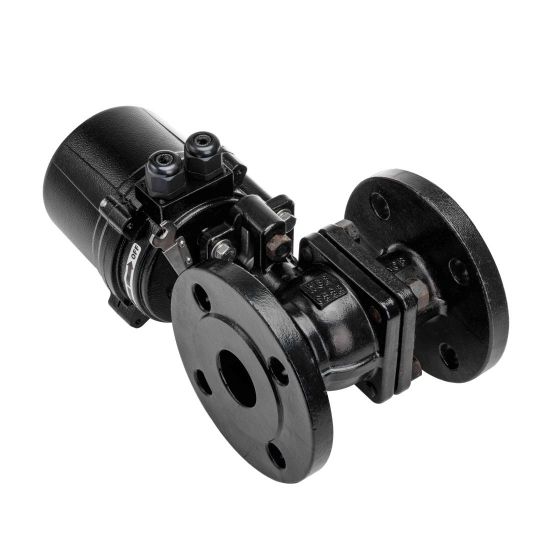
Electric high temperature ball valves are essential components in industries that require reliable control of fluids and gases under extreme thermal conditions. These valves combine the functionality of traditional ball valves with electric actuation, allowing for precise operation and control. Their ability to withstand high temperatures, alongside their automatic operation, makes them ideal for use in sectors such as chemical processing, oil and gas, power generation, and various manufacturing environments.
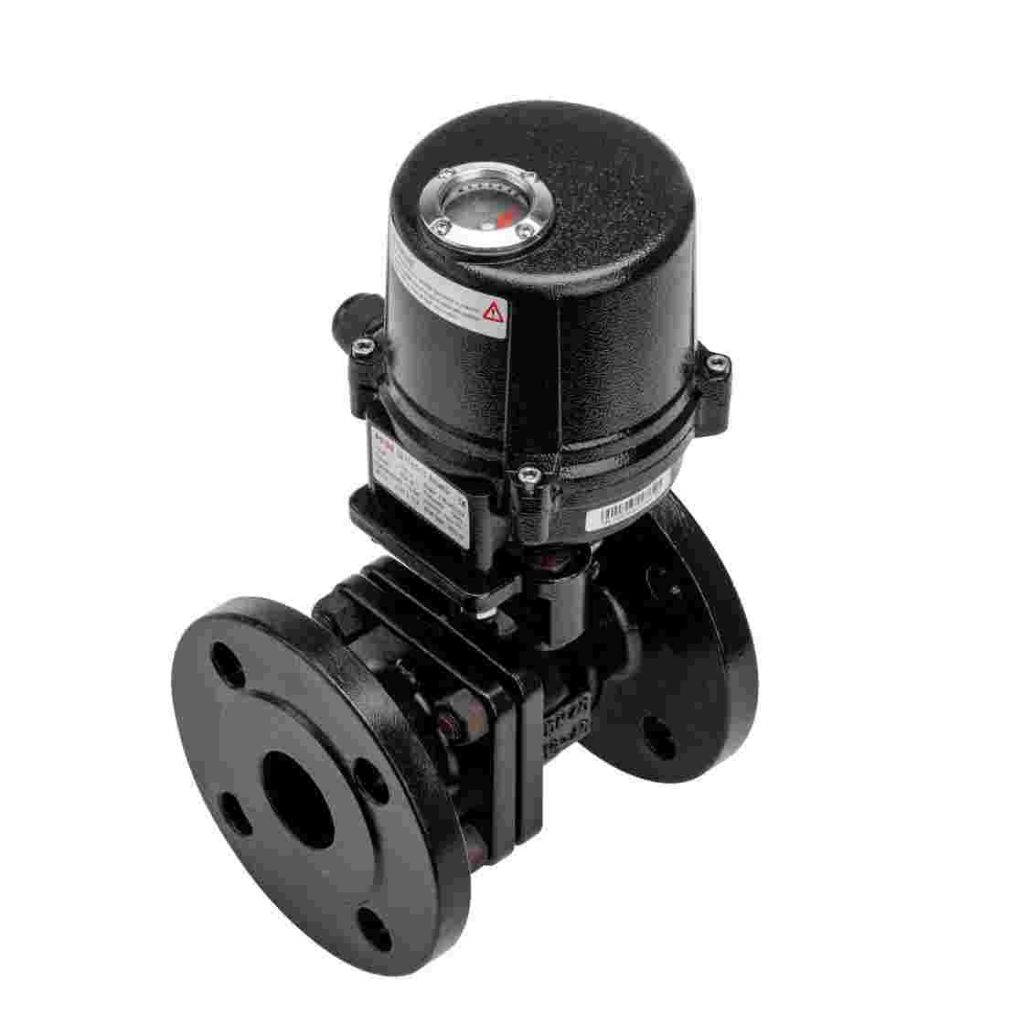
Understanding Electric High Temperature Ball Valves
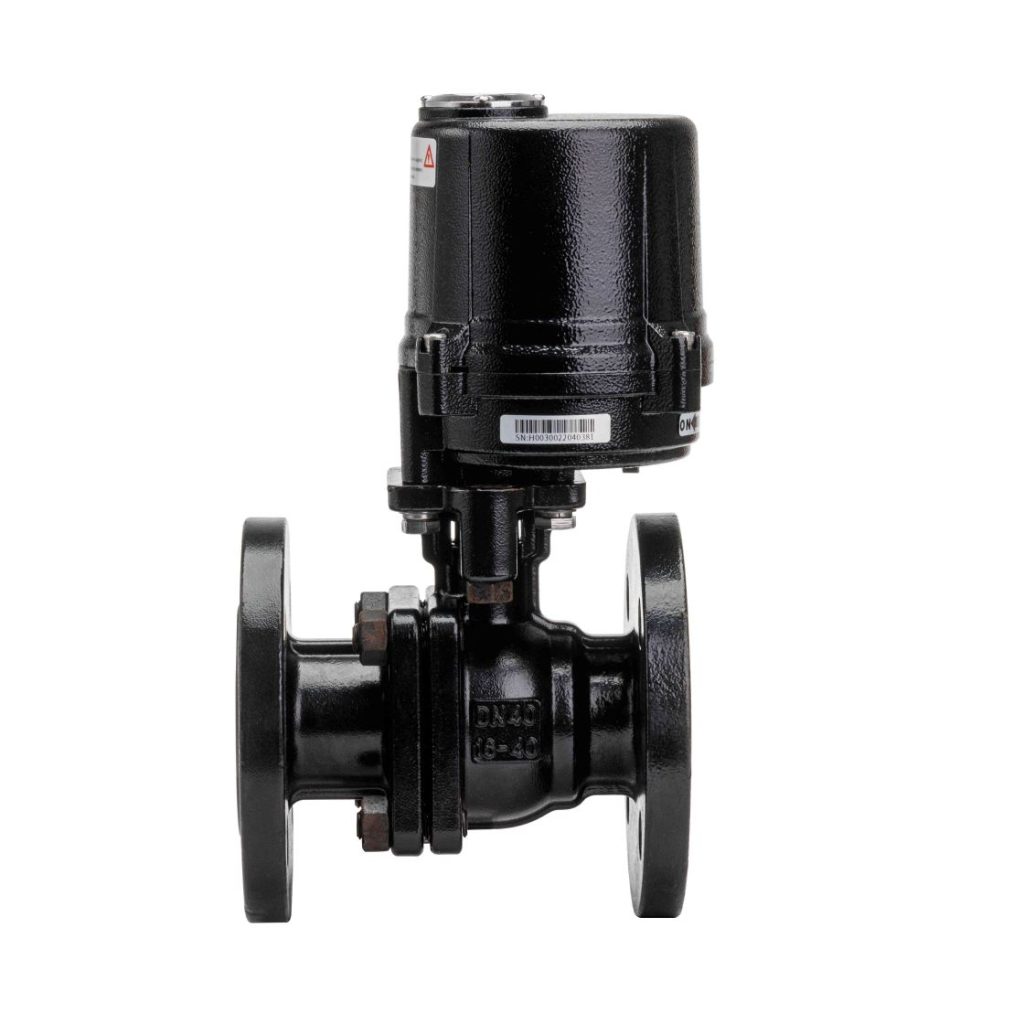
At the core of an electric high temperature ball valve is the ball valve itself, a type of valve that uses a spherical disc (the ball) with a hole through the center to regulate flow. The ball rotates within the valve body to either block or allow the passage of fluids. This rotating mechanism makes ball valves ideal for applications requiring quick and efficient shut-off. Electric actuation refers to the use of electric motors to control the opening and closing of the valve. This allows for remote control and automation, enhancing the efficiency of fluid and gas flow management. When combined with high-temperature resistance, electric high-temperature ball valves can operate in environments where other valve types may fail due to heat exposure.