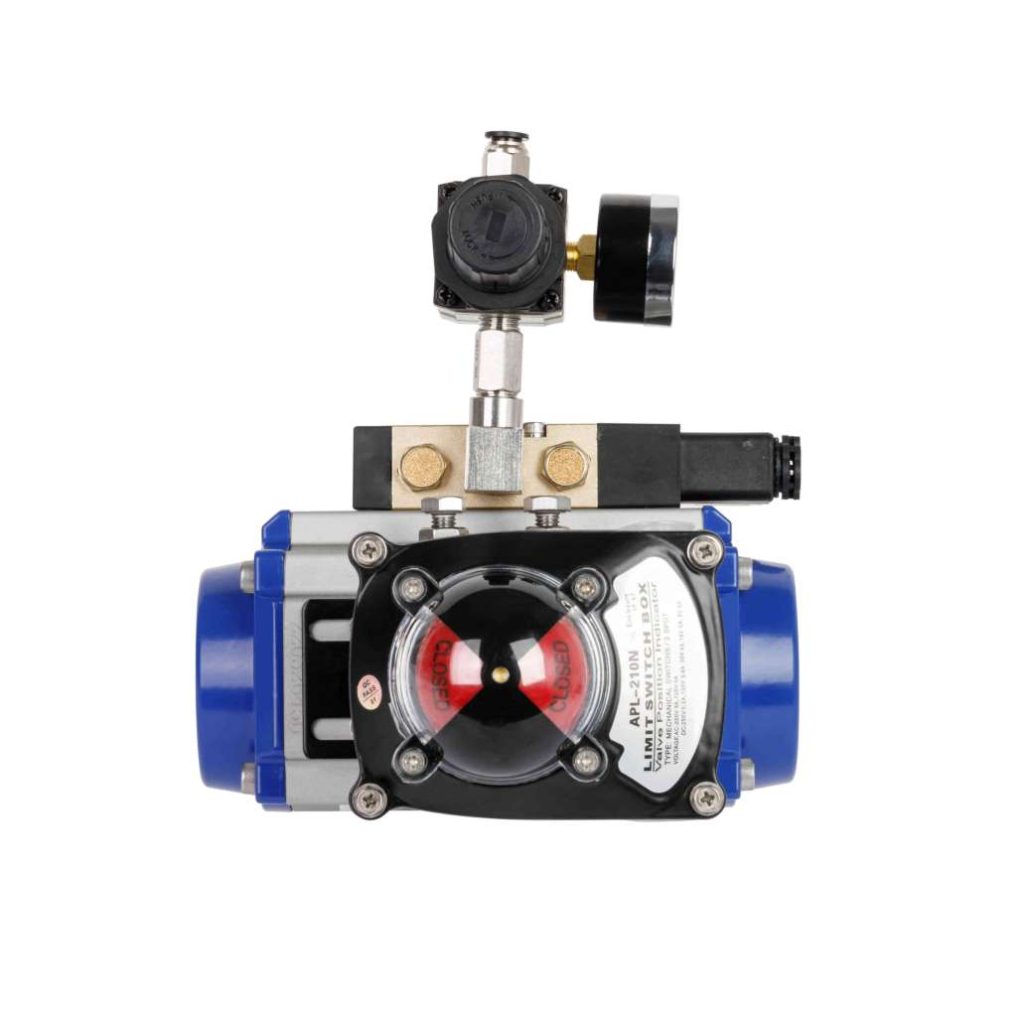
Pneumatic actuators are essential components in modern automation and industrial systems. They convert the energy stored in compressed air into mechanical motion, offering a simple, reliable, and efficient solution for many tasks requiring linear or rotary movement. Pneumatic actuators are found in various industries, including manufacturing, automotive, aerospace, and even robotics, due to their versatile nature and cost-effectiveness. This article will explore the functionality, types, advantages, and applications of pneumatic actuators, as well as their limitations and considerations.
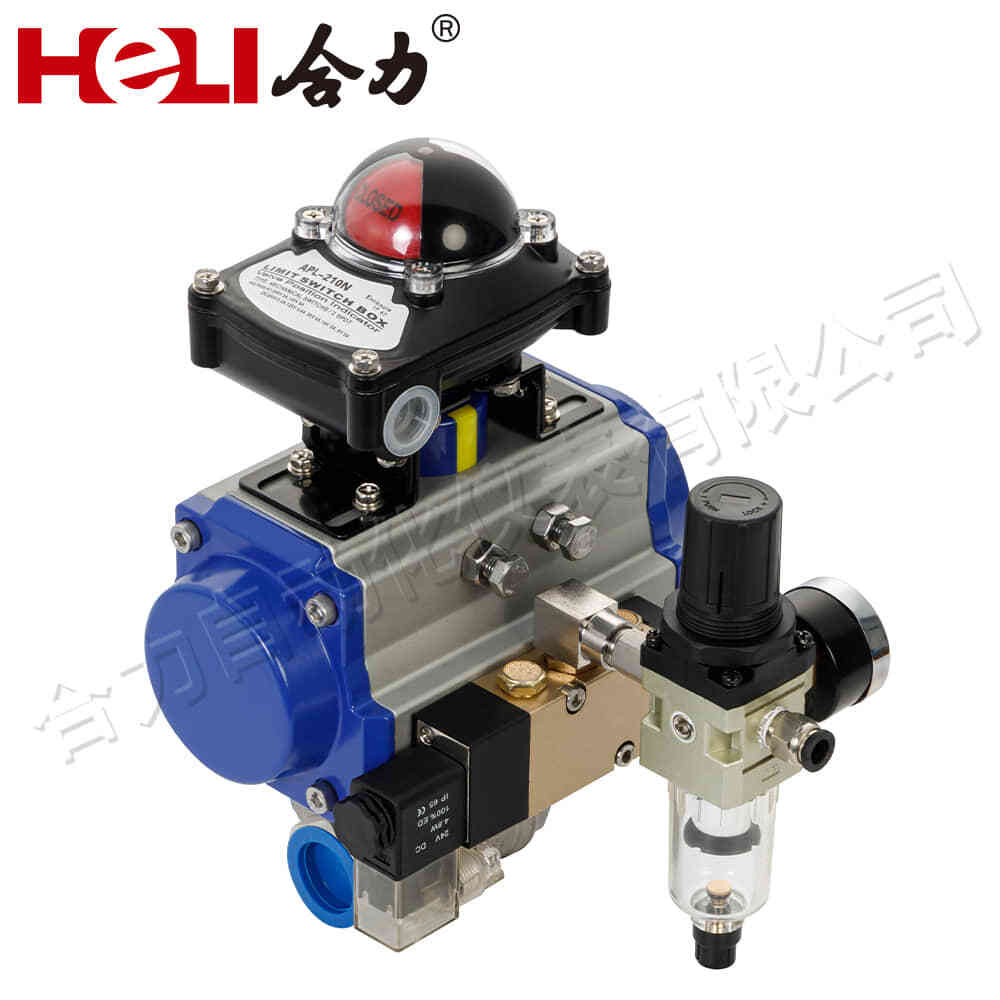
How Pneumatic Actuators Work
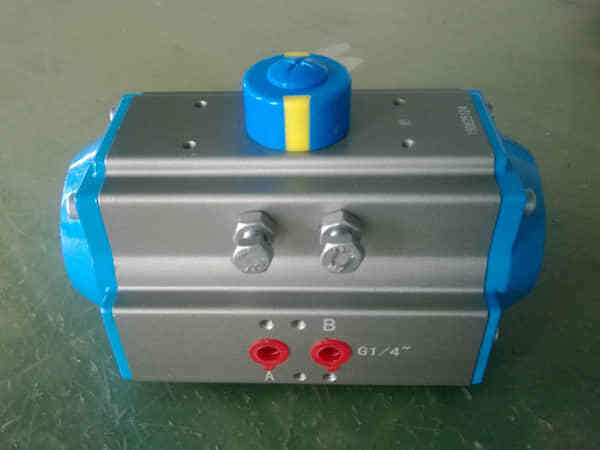
A pneumatic actuator operates by using compressed air to drive a piston or diaphragm, which in turn moves a mechanical load. The compressed air is supplied to the actuator via pipes or hoses, where it forces the piston to either extend or retract. The movement can be either linear, in the case of a piston moving back and forth, or rotary, where the actuator rotates an output shaft. The basic components of a pneumatic actuator include: Cylinder or Housing: This contains the piston and air chambers. Piston or Diaphragm: The moving element inside the actuator that is pushed or pulled by the compressed air.