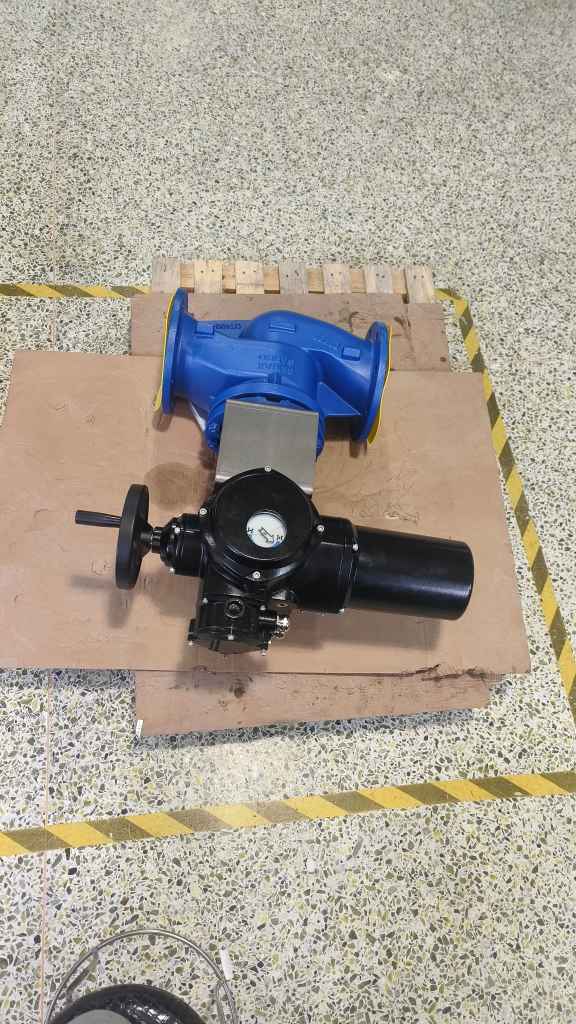
Lithium-ion batteries have become the cornerstone of modern energy storage and electric power systems, playing a vital role in everything from electric vehicles (EVs) to renewable energy storage. As these applications evolve, safety and efficiency have become top priorities. One critical component that has emerged in improving battery safety and performance is the Lithium Battery Electric Shut-Off Valve. This device is designed to enhance the reliability and safety of battery-powered systems by controlling the flow of cooling fluids or gases, especially in applications where thermal management is crucial. In this article, we will explore the function, benefits, and future potential of the Lithium Battery Electric Shut-Off Valve.
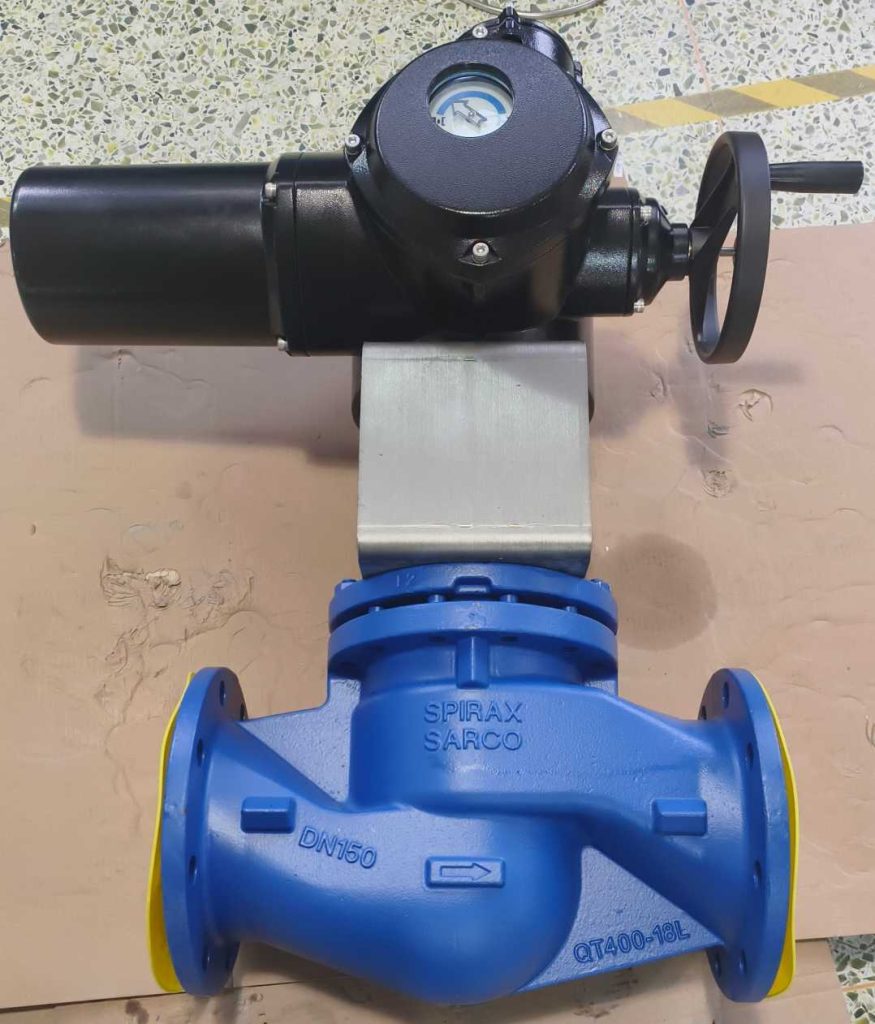
What is a Lithium Battery Electric Shut-Off Valve?
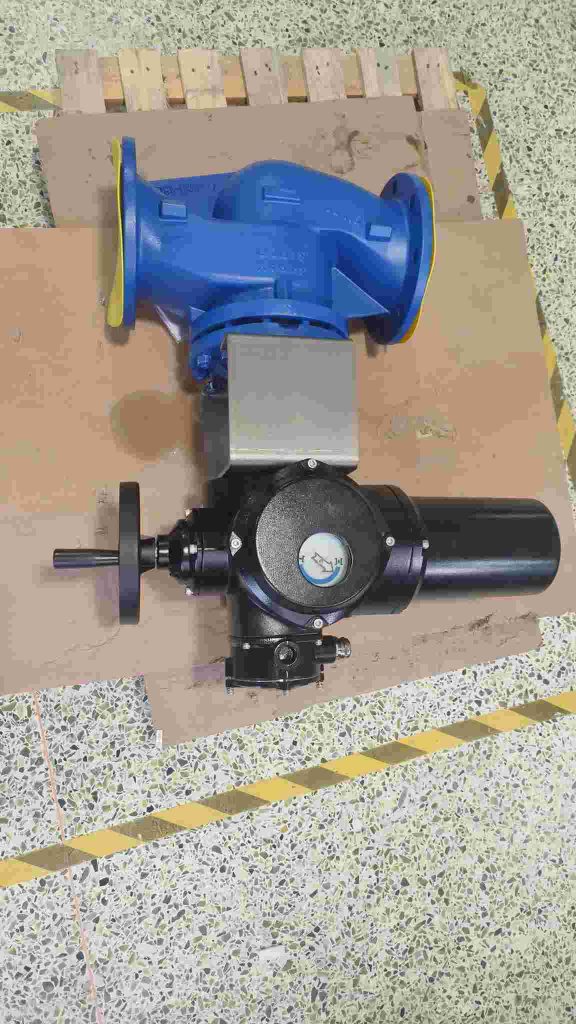
A Lithium Battery Electric Shut-Off Valve is a device used to control the flow of liquids or gases within a system that interacts with a lithium-ion battery. The valve is electrically operated, meaning it is controlled by an electric signal, usually from a battery management system (BMS). These valves are typically used in systems where the cooling or pressure regulation of the battery is vital to prevent overheating or damage, such as in electric vehicles, industrial storage systems, and high-capacity battery packs. The primary function of the shut-off valve is to regulate or completely stop the flow of coolant or gas when certain conditions are met. These conditions might include temperature thresholds, pressure levels, or potential hazards that could compromise the safety of the system. By doing so, the valve helps protect the battery and associated components, ensuring optimal performance and preventing catastrophic failures.