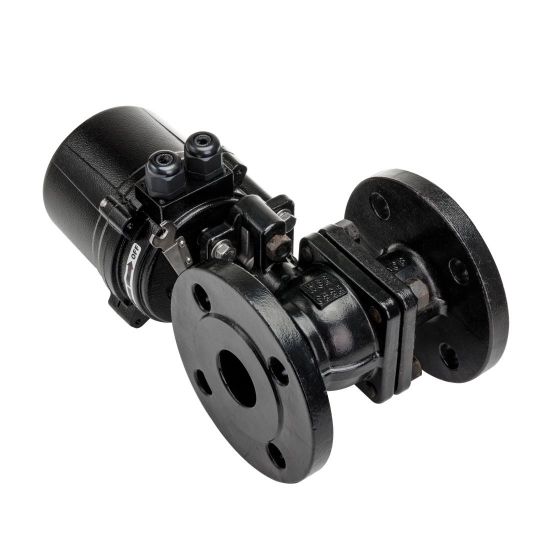
In recent years, the pursuit of cleaner energy sources has propelled hydrogen energy into the spotlight. As a promising candidate for sustainable energy, hydrogen is gaining traction in various sectors, including transportation, industry, and power generation. Central to the effective utilization of hydrogen is the need for specialized equipment designed to safely manage its unique properties. One such essential component is the hydrogen energy electric high temperature ball valve.
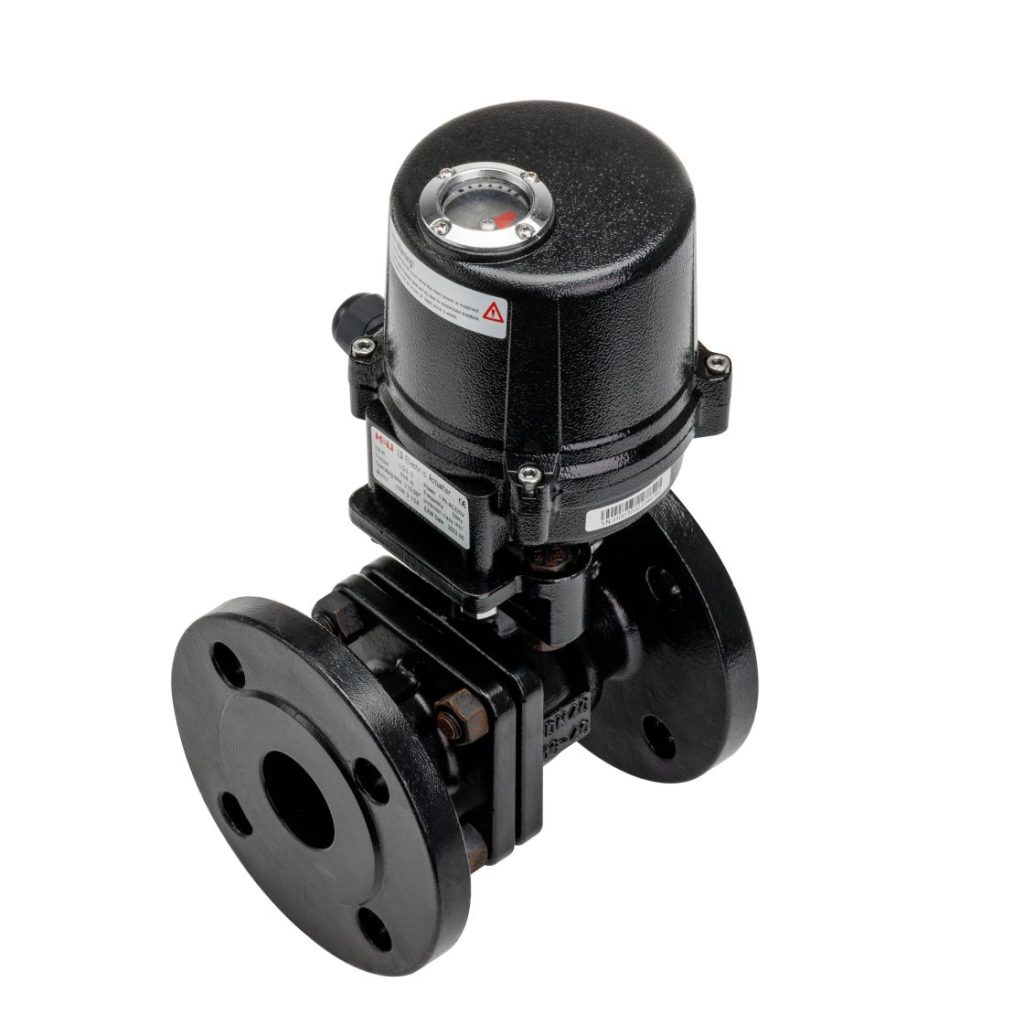
Understanding the High Temperature Ball Valve
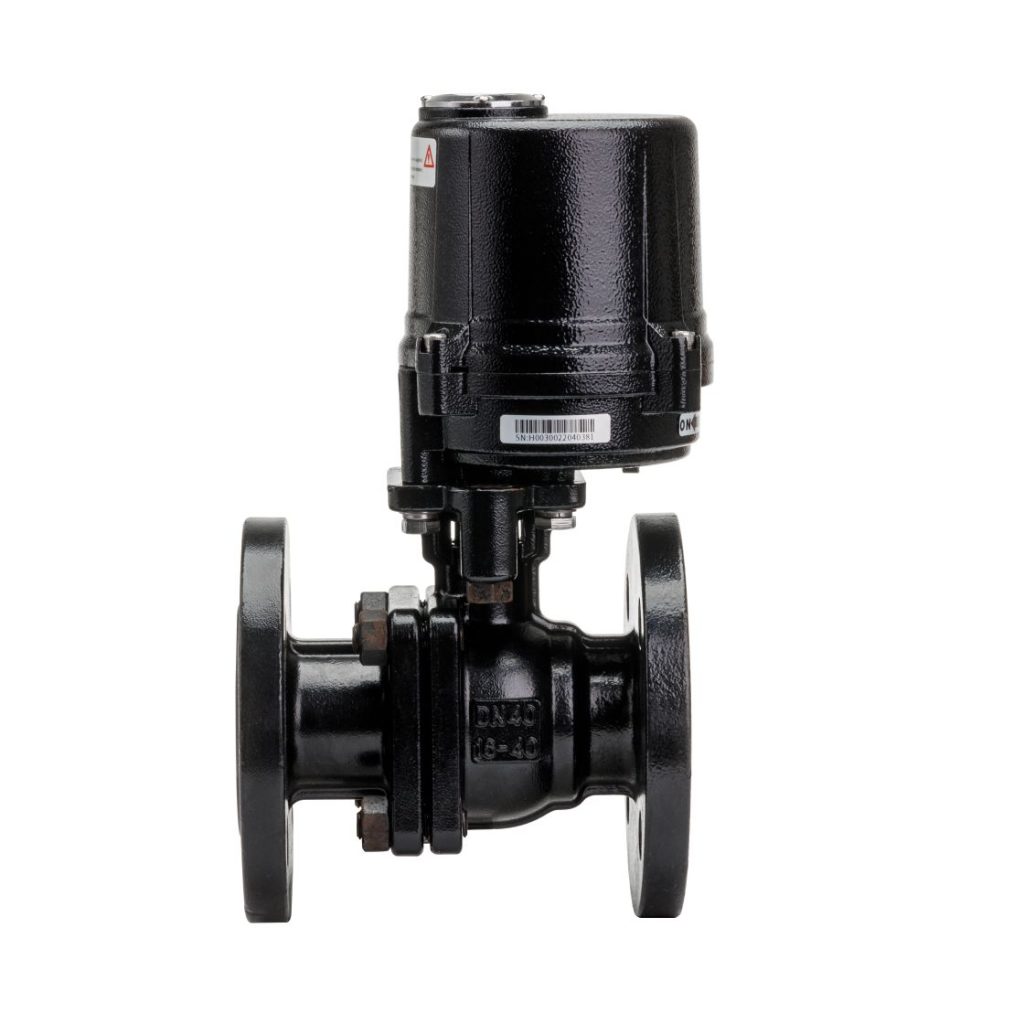
A hydrogen energy electric high temperature ball valve is specifically engineered to control the flow of hydrogen gas in environments characterized by elevated temperatures and pressures. The valve consists of a spherical body that operates by rotating a ball with a central hole through which the hydrogen can flow. This seamless design allows the valve to either open or close entirely with a quarter turn of its actuator. Construction and Materials The construction of high temperature ball valves is pivotal to their functionality and longevity. Typically fabricated from high-performance materials such as stainless steel (commonly 304 or 316 grades) or specialized alloys, these valves are built to withstand not only high temperatures but also the corrosive nature of hydrogen. The internal components, including seals and gaskets, are often made from advanced polymers or composite materials that provide excellent resistance to both heat and chemical degradation, ensuring durability and reliability in demanding applications.