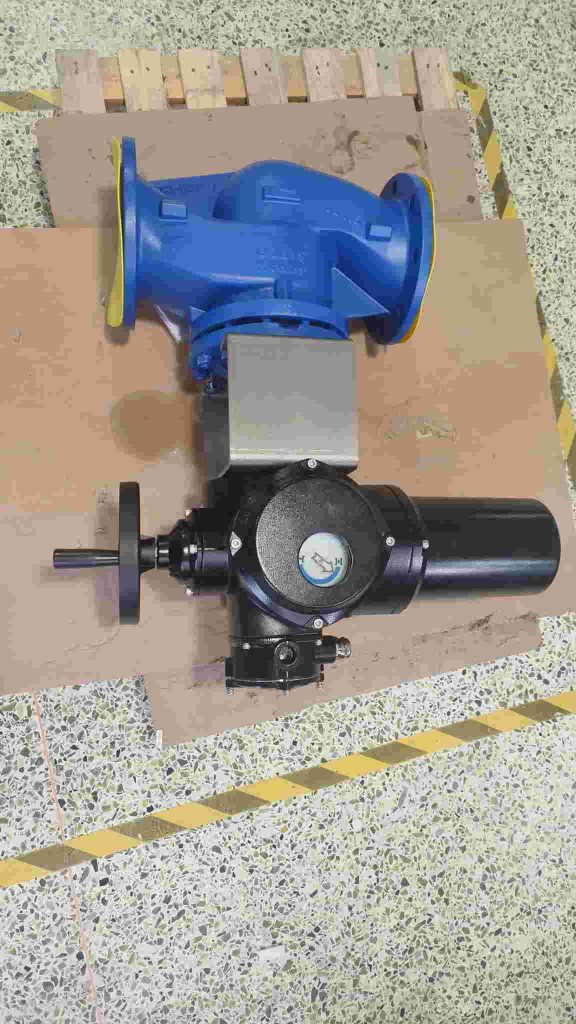
In recent years, the industrial landscape has witnessed a significant transition toward automation and smart technologies. One noteworthy component that has emerged in this revolution is the Lithium Battery Electric Bellows Stop Valve. This innovative valve system integrates advanced engineering with the efficiency of lithium battery power, making it an essential tool for fluid control across various industries. This article explores the functioning, characteristics, advantages, and applications of lithium battery electric bellows stop valves, shedding light on their role in modern automated systems.
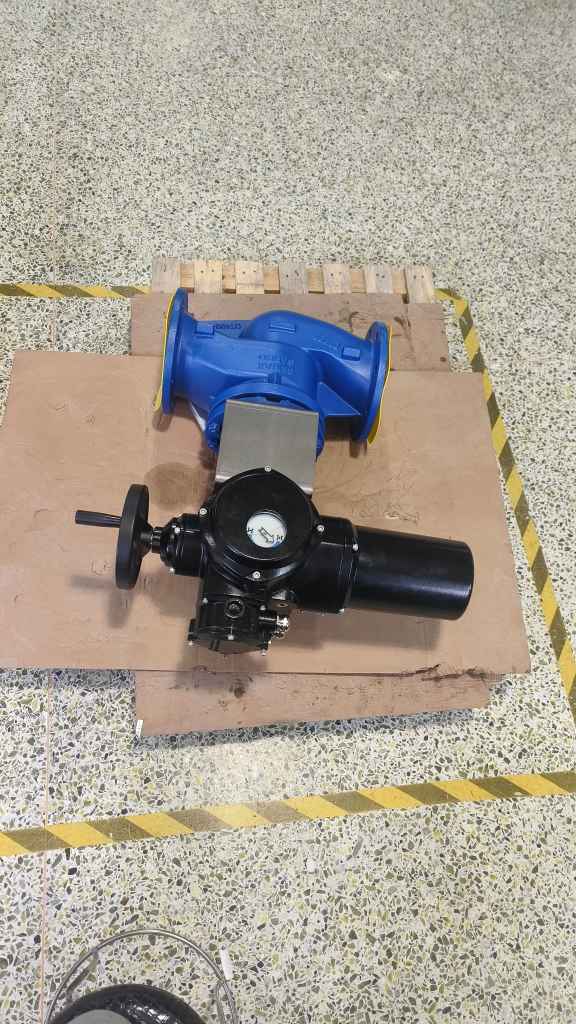
Understanding the Mechanism
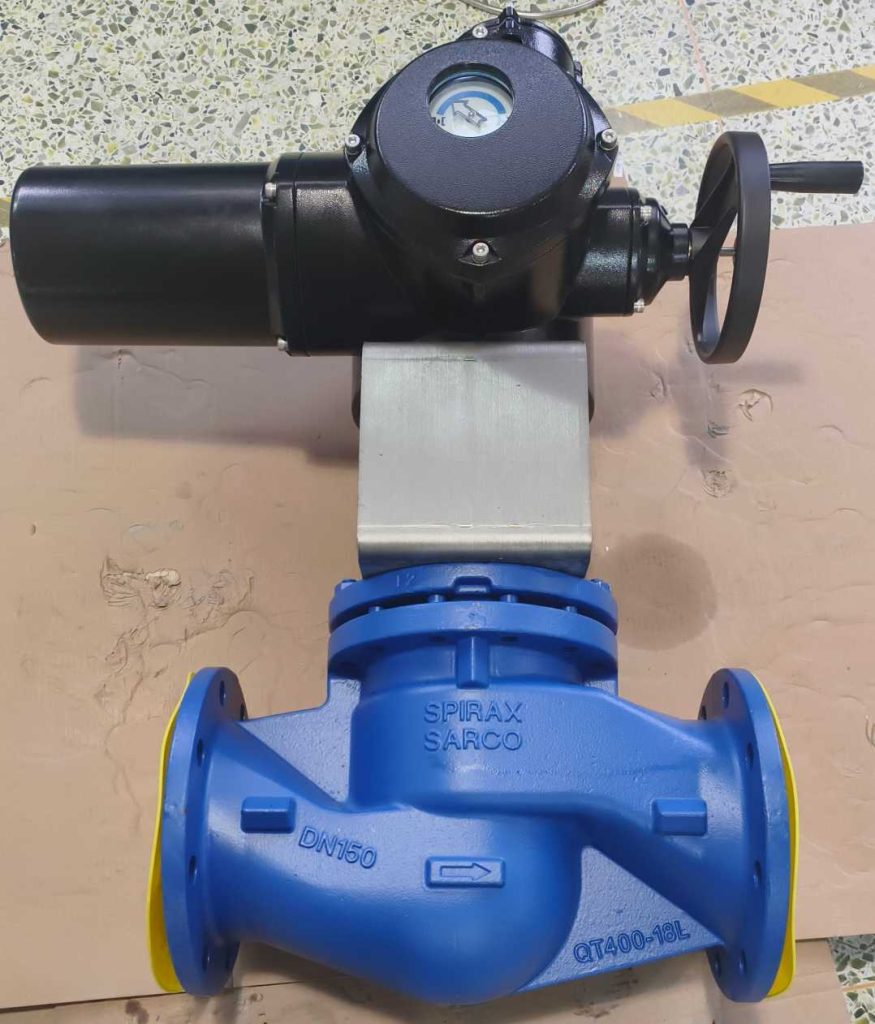
A Lithium Battery Electric Bellows Stop Valve operates primarily through an electric motor that is powered by a lithium battery. Unlike traditional valves that may rely on pneumatic or hydraulic systems, this design offers enhanced flexibility and independence from external power sources. The key component, the bellows, is a flexible element that expands and contracts to open or close the valve. When a control signal is received, the electric motor drives the bellows mechanism, enabling precise regulation of fluid flow, whether it be liquid, gas, or a mixture of both. The bellows structure is particularly critical as it ensures a reliable seal, preventing leakage and providing excellent performance even under varying pressure conditions. As a result, these valves are increasingly favored in applications requiring meticulous control over fluid dynamics.