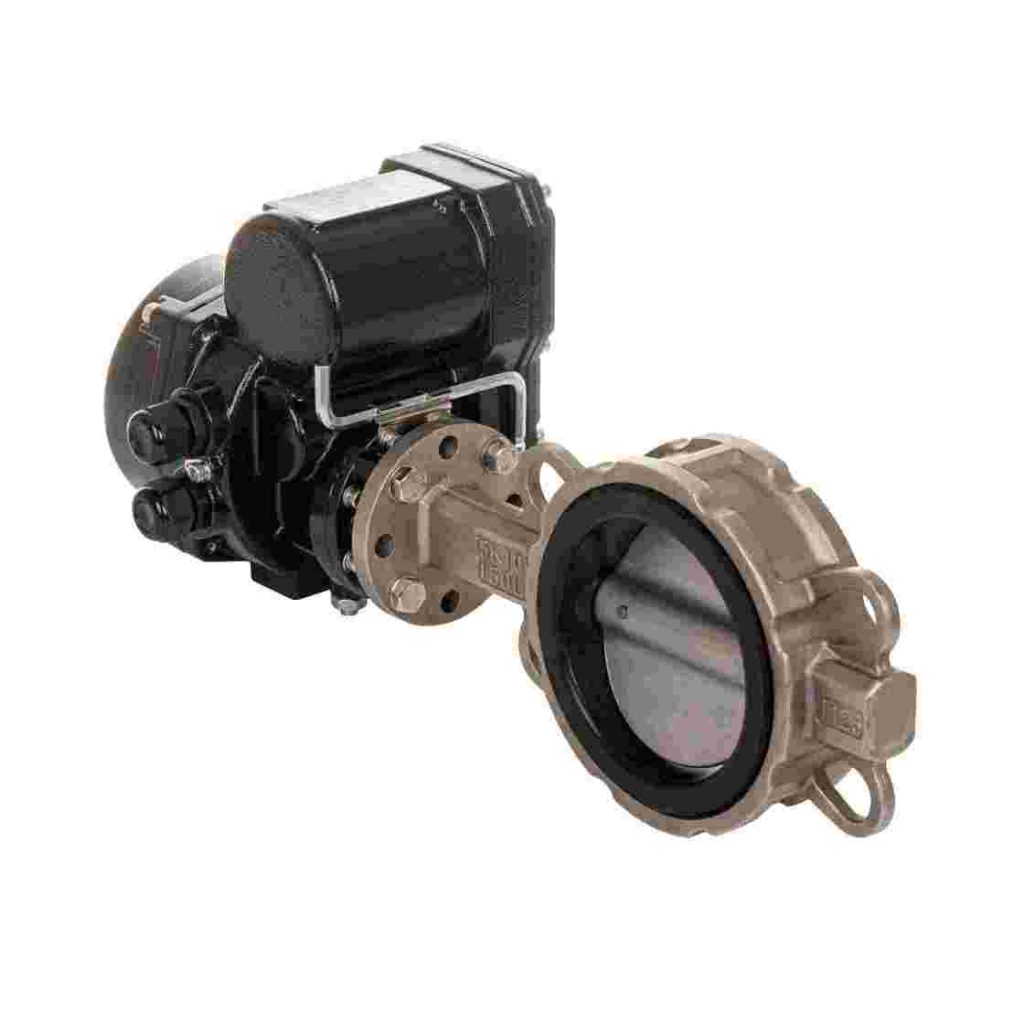
Electric clamp butterfly valves play a crucial role in modern fluid control systems, offering a combination of reliability, ease of installation, and efficient performance. These valves are primarily used to regulate the flow of liquids, gases, or slurries in various industrial applications, including water treatment, chemical processing, and HVAC systems. The integration of electric actuators with butterfly valves enhances control, making them an ideal solution for automated systems. In this article, we will explore the benefits of electric clamp butterfly valves and why manufacturers are increasingly turning to these advanced solutions.
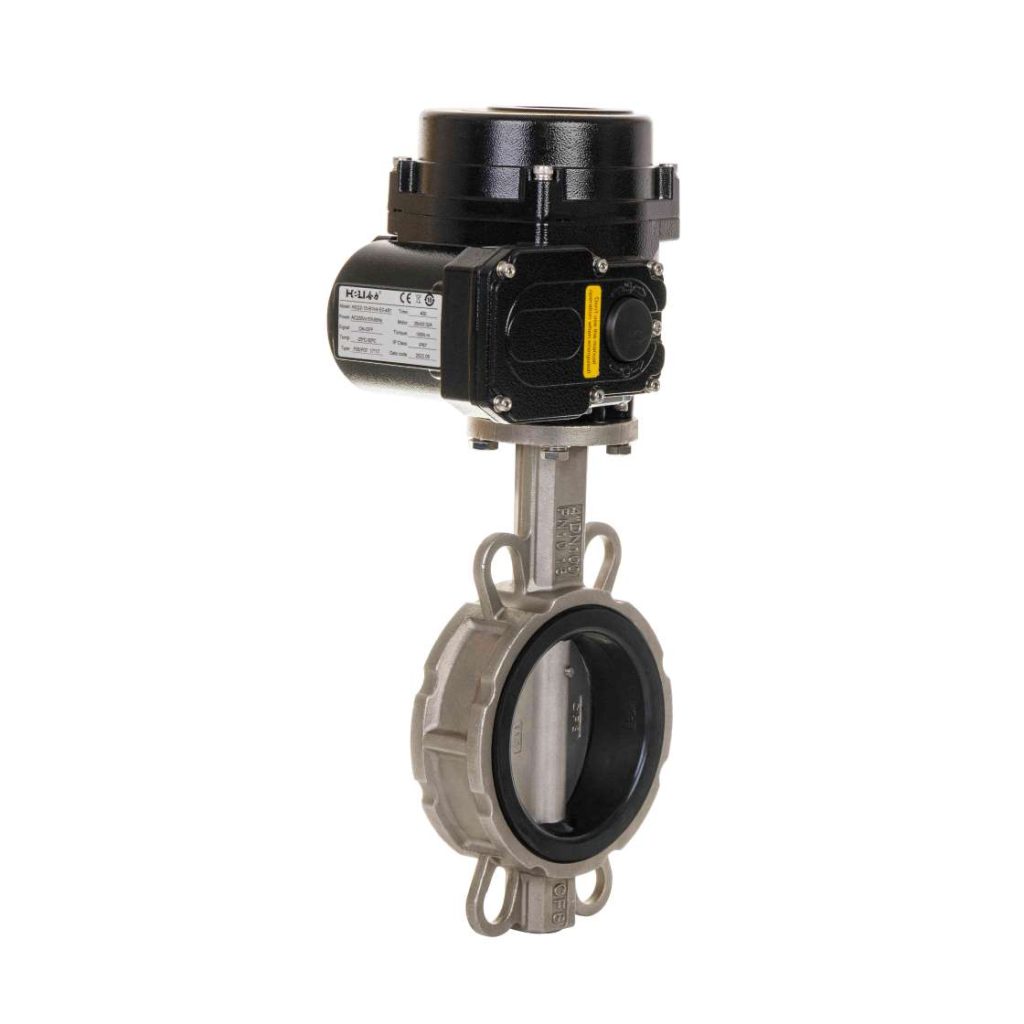
What is an Electric Clamp Butterfly Valve?
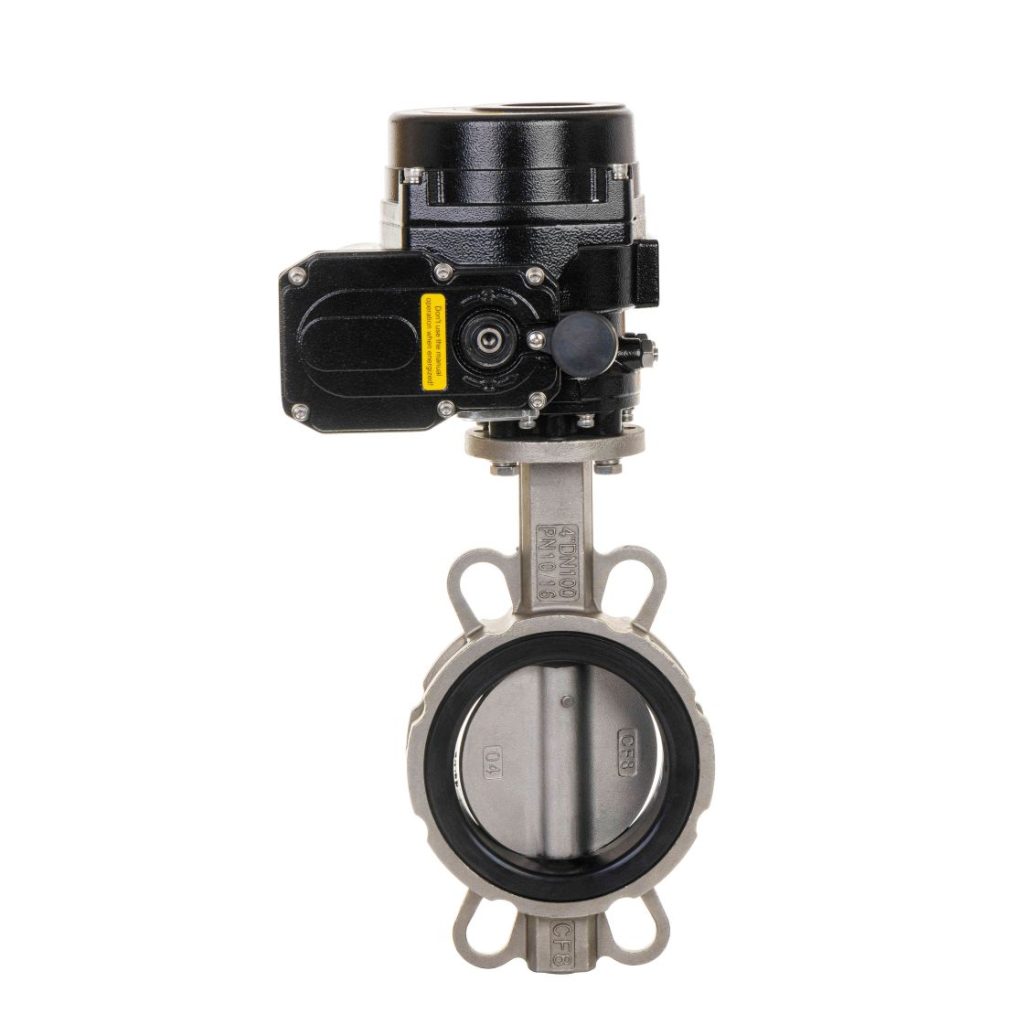
An electric clamp butterfly valve is a type of valve designed to control the flow of fluids within a system. It combines a traditional butterfly valve with an electric actuator for automatic operation. The butterfly valve itself uses a disc that rotates within the pipeline to control the fluid flow, while the electric actuator enables the valve to open or close remotely or according to predefined settings. The “clamp” feature refers to the method of securing the valve within a piping system, using a clamp connection instead of traditional welding or threading. This design not only simplifies the installation process but also ensures a leak-proof seal. The compact nature of the butterfly valve design makes it ideal for space-constrained installations, which is common in many industrial applications.