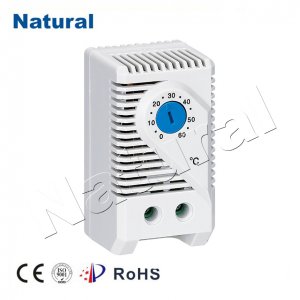
A cabinet thermostat is an essential device designed to regulate the temperature inside cabinets, enclosures, and electrical control panels. It plays a pivotal role in protecting sensitive electronic equipment from overheating or overcooling, ensuring their smooth operation and longevity. In this article, we will delve into the function, types, applications, and benefits of cabinet thermostats.
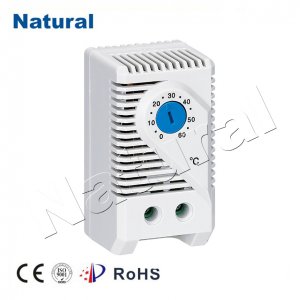
The Function of a Cabinet Thermostat
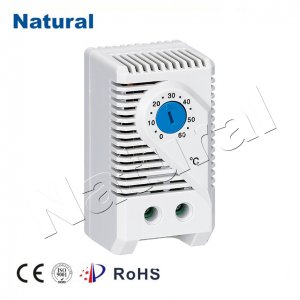
At its core, a cabinet thermostat controls the temperature inside an enclosure or control cabinet by maintaining it within a specified range. Electronic and electrical components often generate heat during operation, and if this heat accumulates without proper regulation, it can lead to equipment failure, reduced performance, and even permanent damage. A cabinet thermostat monitors the internal temperature of the cabinet and activates cooling or heating mechanisms, such as fans, ventilation systems, or heating elements, as needed. By doing so, it ensures that the components inside the enclosure stay within a safe temperature range, preventing thermal stress and optimizing the reliability and lifespan of the equipment.