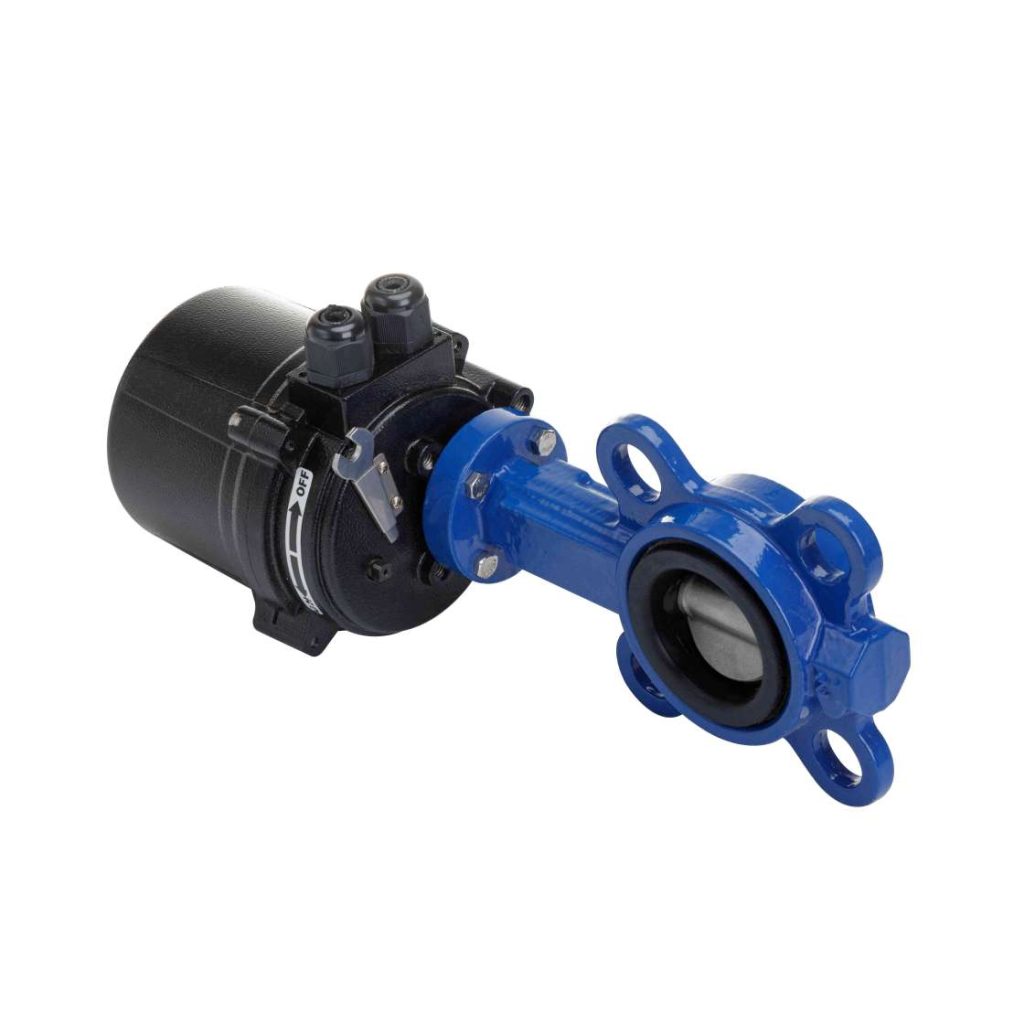
Agriculture, one of the oldest industries in human civilization, has evolved significantly over the years. With the advent of modern technology, irrigation systems have become increasingly automated, efficient, and environmentally friendly. Among the most important components of these advanced irrigation systems is the WCB Electric Butterfly Valve, a device that plays a crucial role in controlling water flow in agricultural applications. In this article, we will explore the significance of the WCB Electric Butterfly Valve for agricultural irrigation, its advantages, and why it is considered a game-changer in modern farming practices.
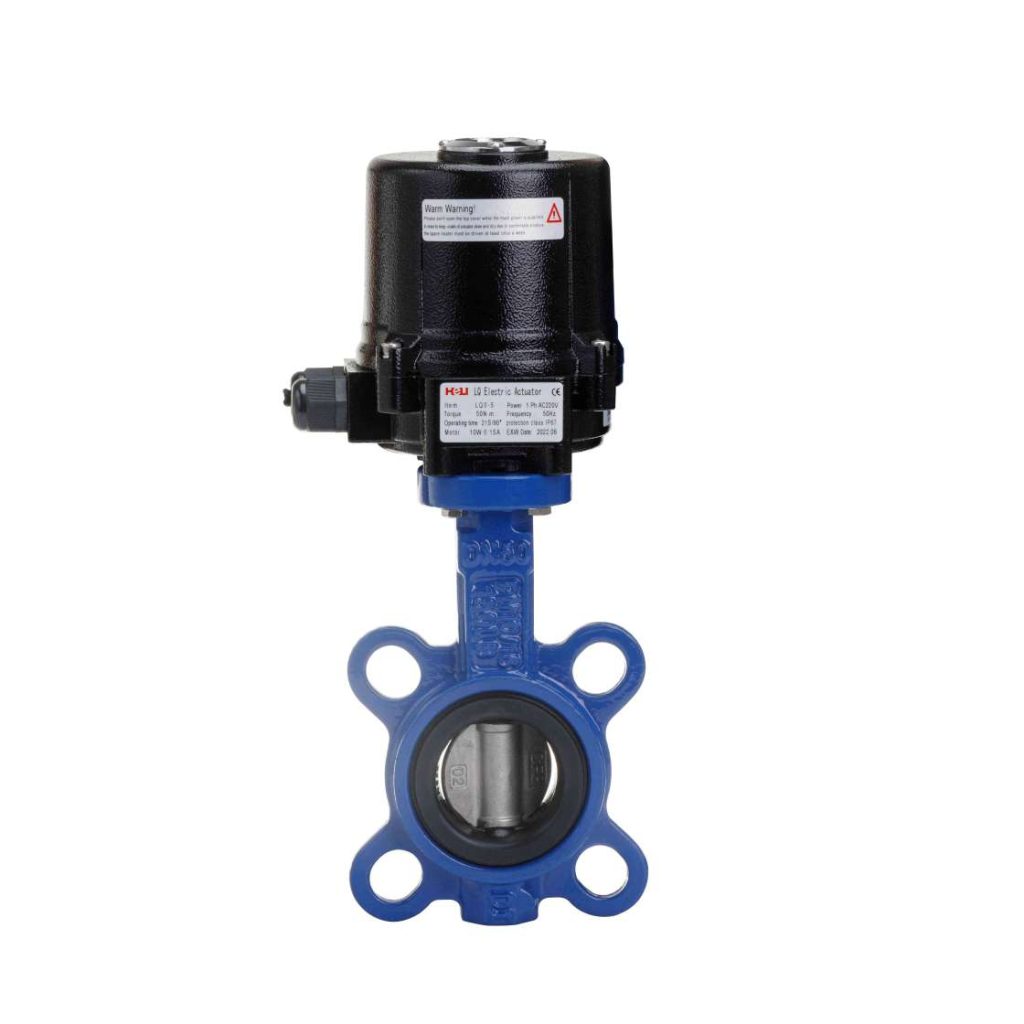
Understanding the WCB Electric Butterfly Valve
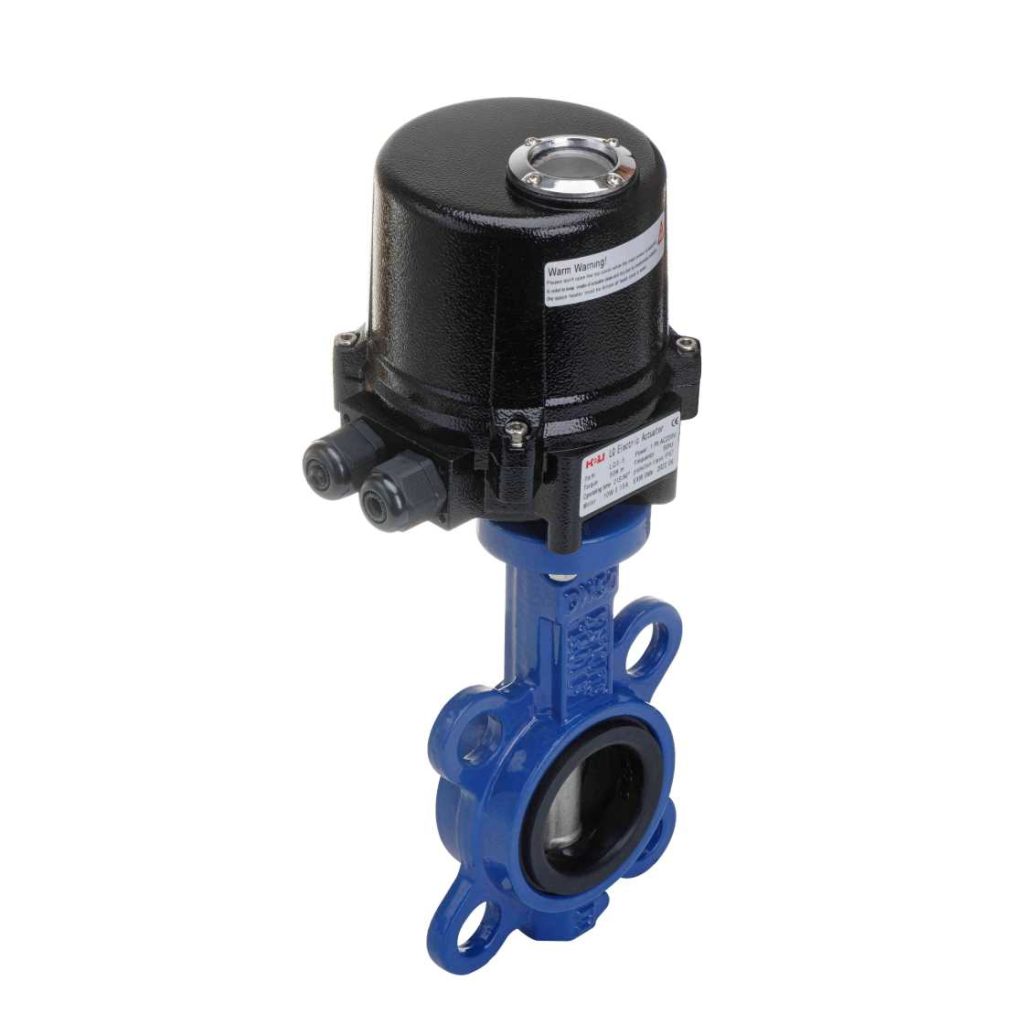
The WCB Electric Butterfly Valve is a type of valve that uses an electric actuator to open and close the valve, controlling the flow of water or other fluids through a pipe. The “WCB” in its name refers to the material of the valve body, which is typically made of WCB (Wrought Carbon Steel), a durable and corrosion-resistant material that ensures the valve’s longevity, even in harsh agricultural environments. Unlike traditional manual valves, which require operators to manually adjust the valve to regulate flow, the electric actuator in the WCB Electric Butterfly Valve allows for remote control and automation, making it ideal for large-scale irrigation systems. These valves can be integrated into irrigation control systems, enabling farmers to adjust water flow efficiently and precisely based on crop needs, weather conditions, or soil moisture levels.