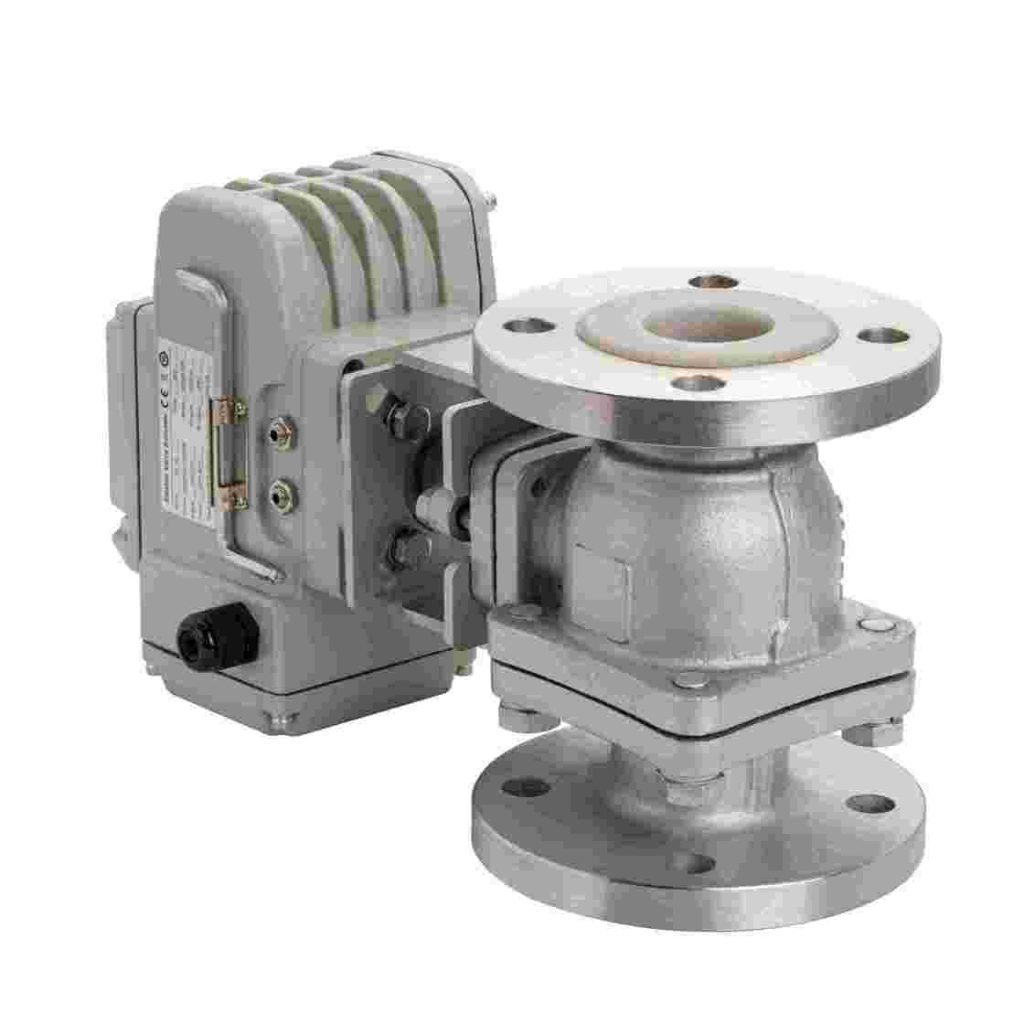
The Electric Flange Ball Valve is a crucial component in modern industrial piping systems, offering both precision control and reliability in the management of fluid flow. This type of valve combines the traditional flanged connection with a modern electric actuator, making it suitable for various applications across multiple industries, including oil and gas, water treatment, chemical processing, and HVAC systems. This article will delve into the structure, functionality, benefits, and applications of the Electric Flange Ball Valve.
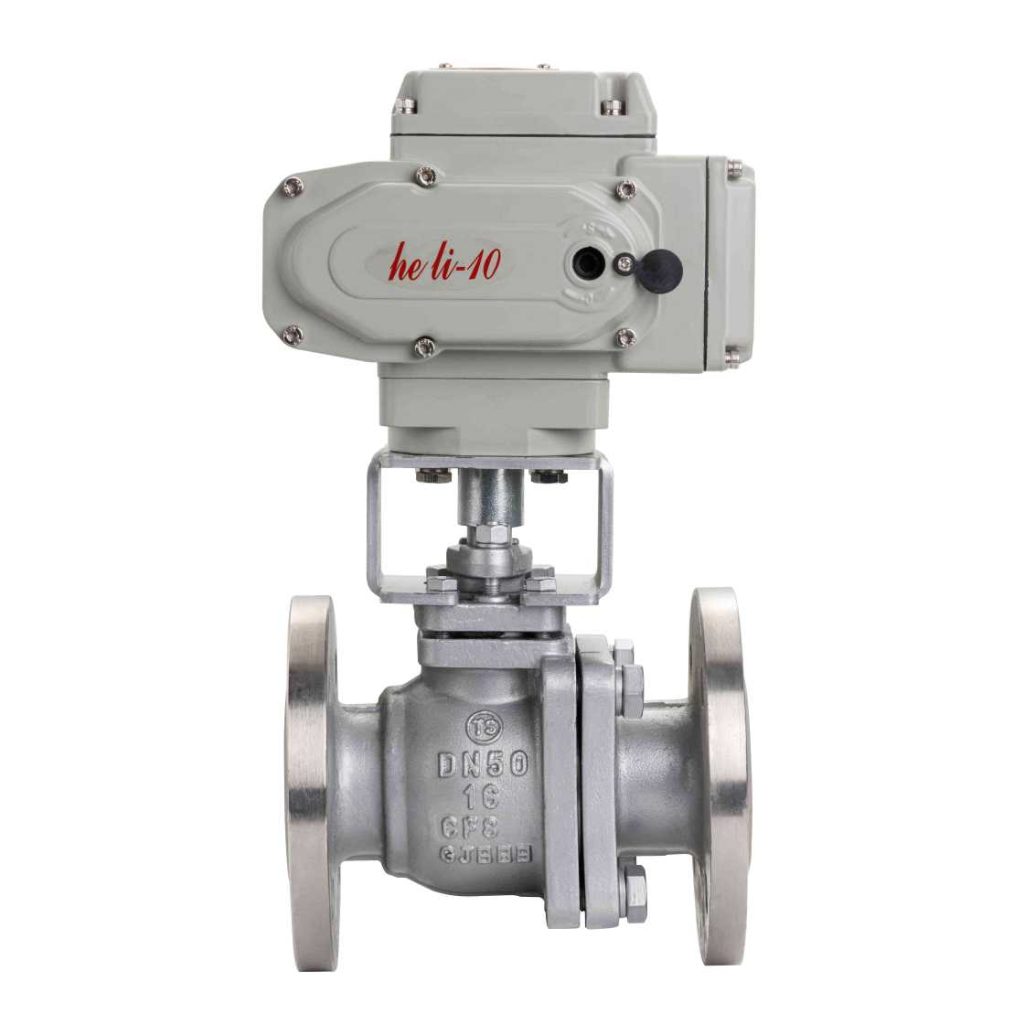
Structure and Functionality
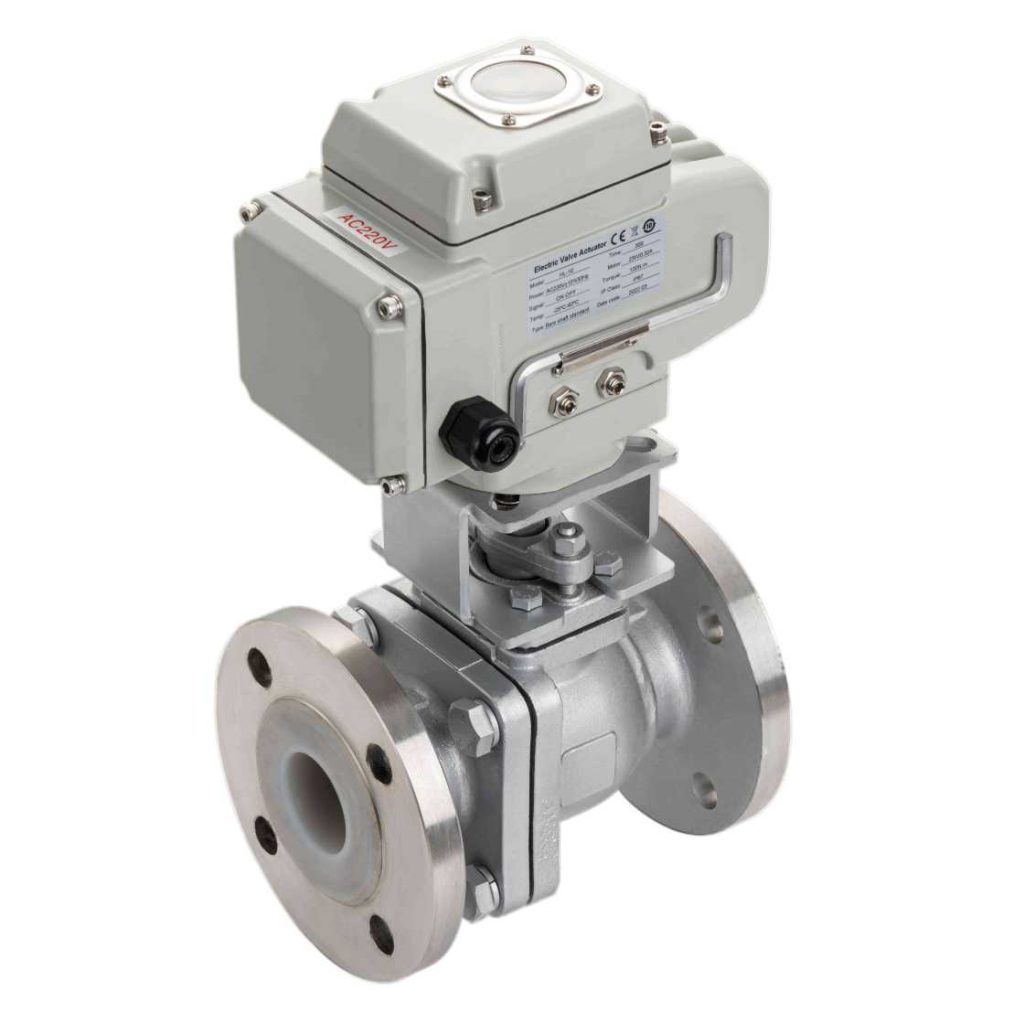
The Electric Flange Ball Valve comprises several key components: Valve Body: Typically made from materials such as stainless steel or carbon steel, the valve body ensures strength and corrosion resistance. The design allows for high-pressure tolerance while maintaining a compact size. Ball: The spherical element within the valve features a bore that facilitates the flow of the fluid. By rotating 90 degrees, the ball can either completely block or allow the flow, thus providing precise on/off control. Sealing Mechanism: The valve utilizes high-quality sealing materials, usually PTFE (polytetrafluoroethylene), which guarantees tight sealing during operation and prevents leakage of the fluid.