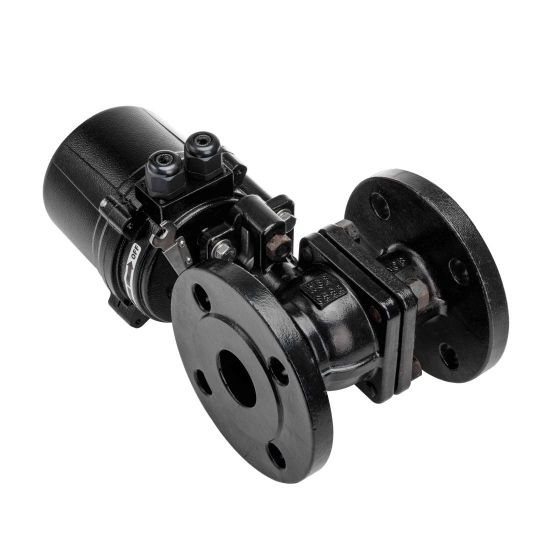
Electric high temperature ball valves are crucial components in various industrial processes, especially in applications where fluid control at elevated temperatures is required. These valves are engineered to withstand extreme conditions while ensuring precise operation and minimal maintenance. In this article, we will explore the fundamental characteristics, operational principles, applications, advantages, and considerations of electric high temperature ball valves.
Characteristics of Electric High Temperature Ball Valves
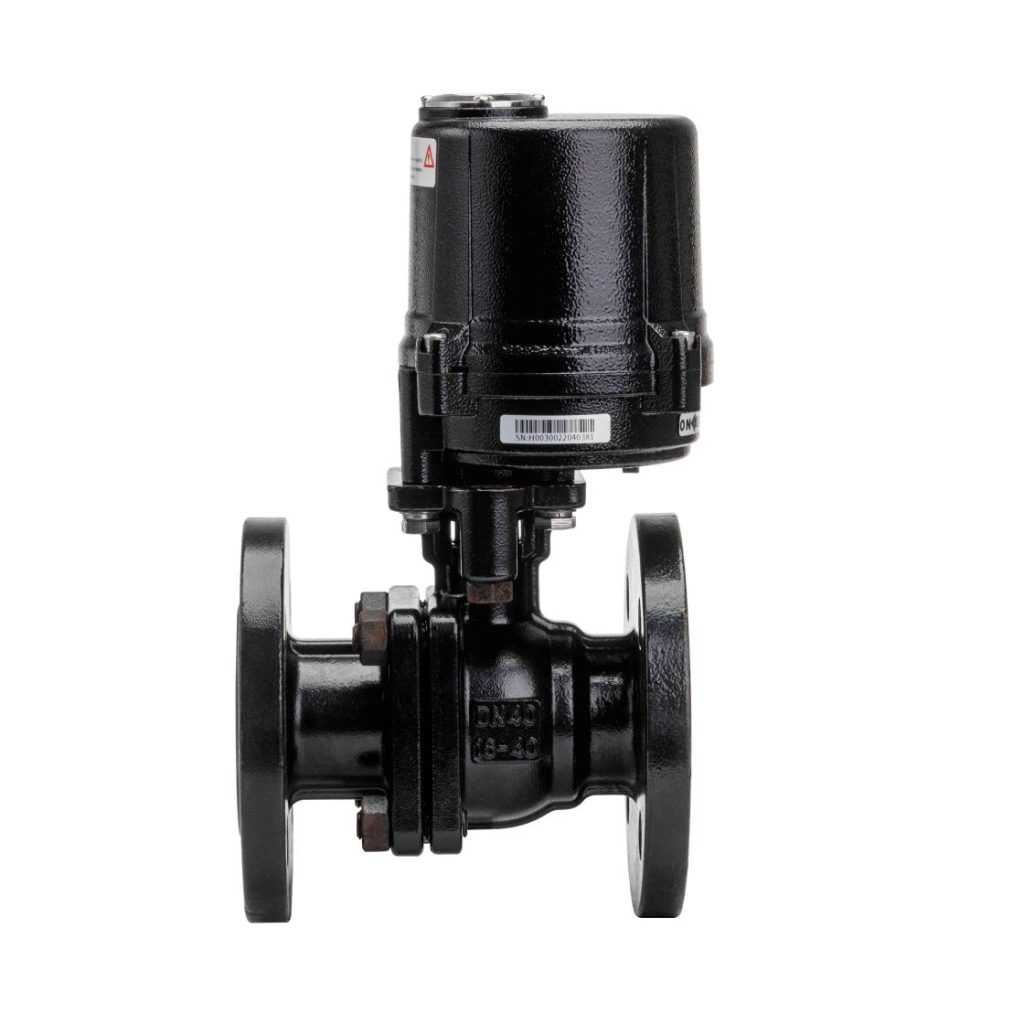
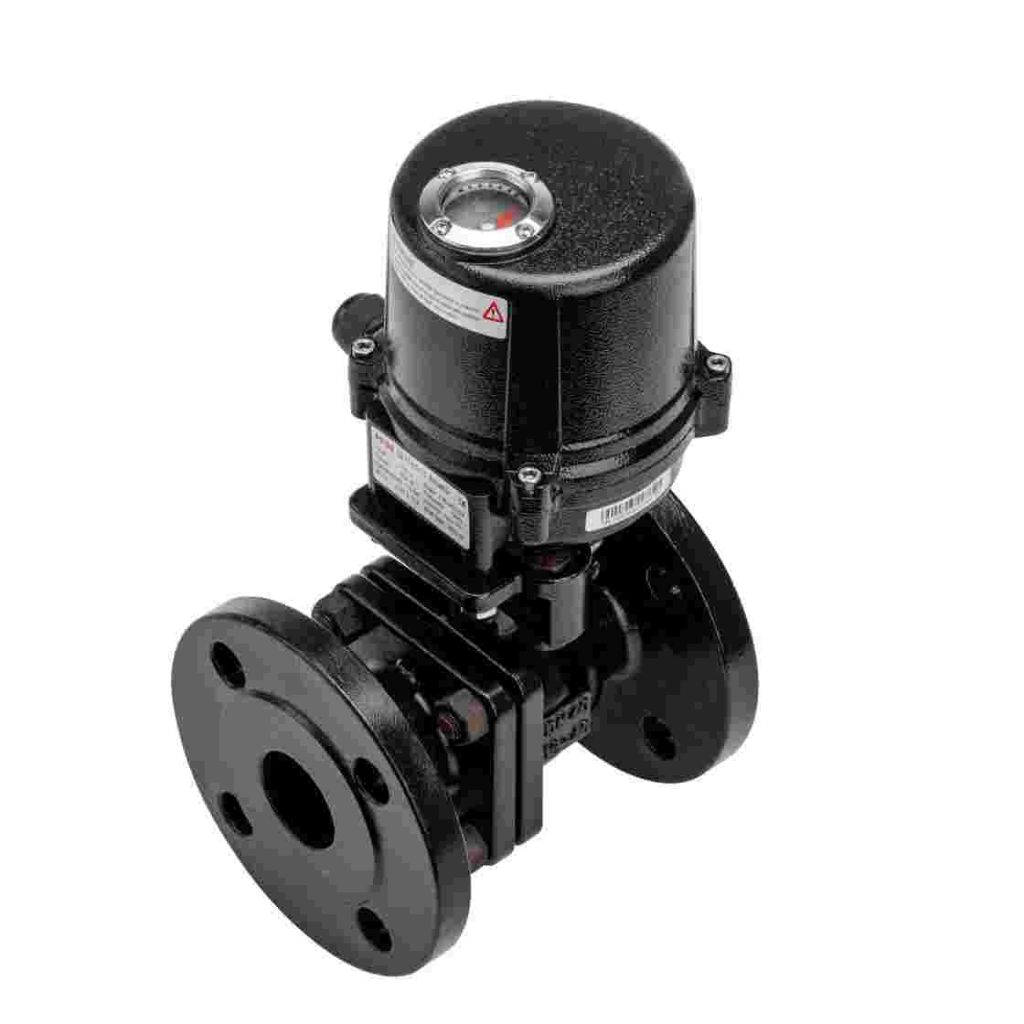
Electric high temperature ball valves are designed with robust materials that can withstand high thermal stresses. Typically constructed from high-grade stainless steel or specialized alloys, these valves maintain integrity even when exposed to temperatures that exceed 200 degrees Celsius (392 degrees Fahrenheit). The ball, which is the heart of the valve, has a spherical shape with a central hole through which the fluid passes. This design allows the valve to open or close fully with just a quarter turn of the actuator. The electric actuator is an essential element of the electric high temperature ball valve, converting electrical signals into mechanical movement. It facilitates remote control and automation, providing users with enhanced operational efficiency and flexibility. The actuator is equipped with sensors and controllers that enable precise positioning of the valve, making it suitable for applications requiring careful flow regulation.