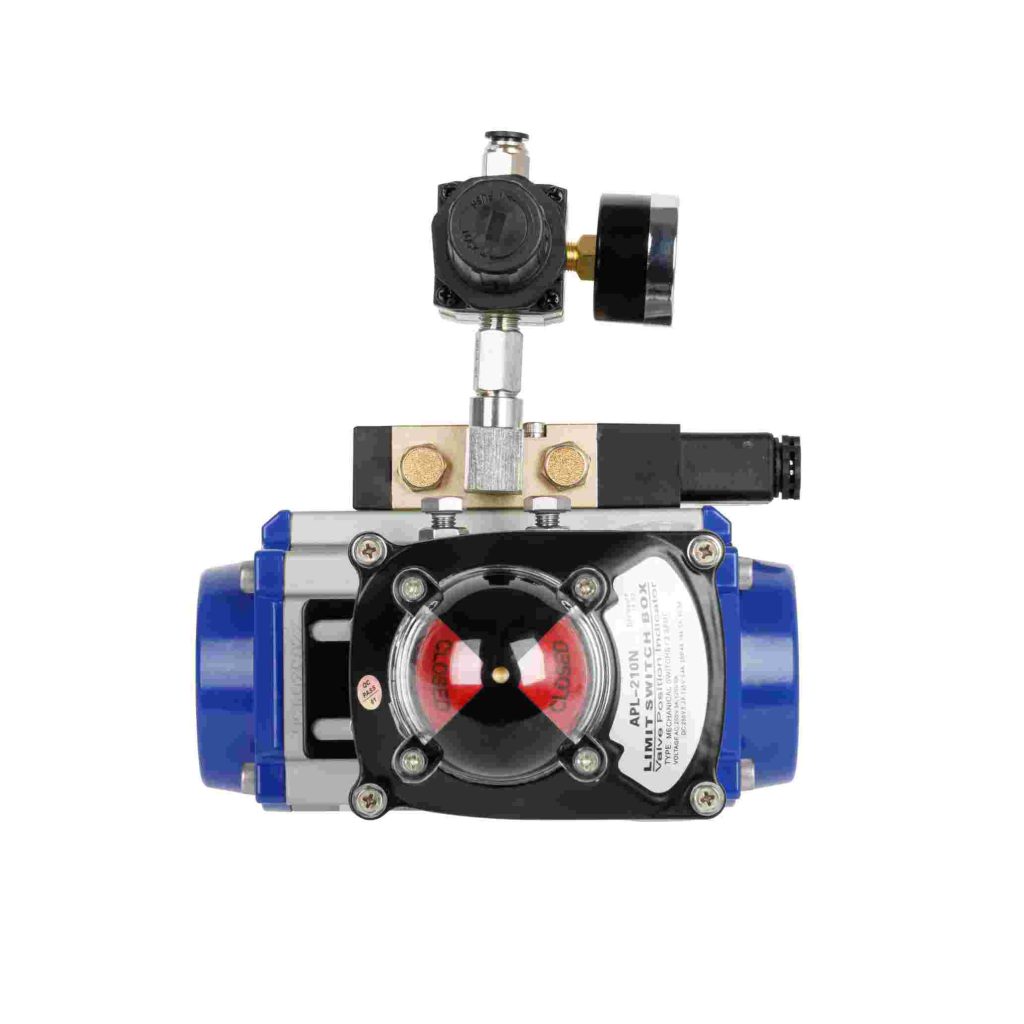
Hydrogen energy has emerged as a promising solution for reducing our dependence on fossil fuels and combating the global energy crisis. With its potential to provide clean, sustainable power, hydrogen is poised to revolutionize various industries, from transportation to manufacturing. One of the lesser-discussed but highly innovative applications of hydrogen energy is in the development of hydrogen energy pneumatic actuators. These actuators, which combine the power of hydrogen with the efficiency of pneumatic systems, are quickly gaining attention for their ability to provide environmentally friendly, high-performance motion control in a variety of sectors.
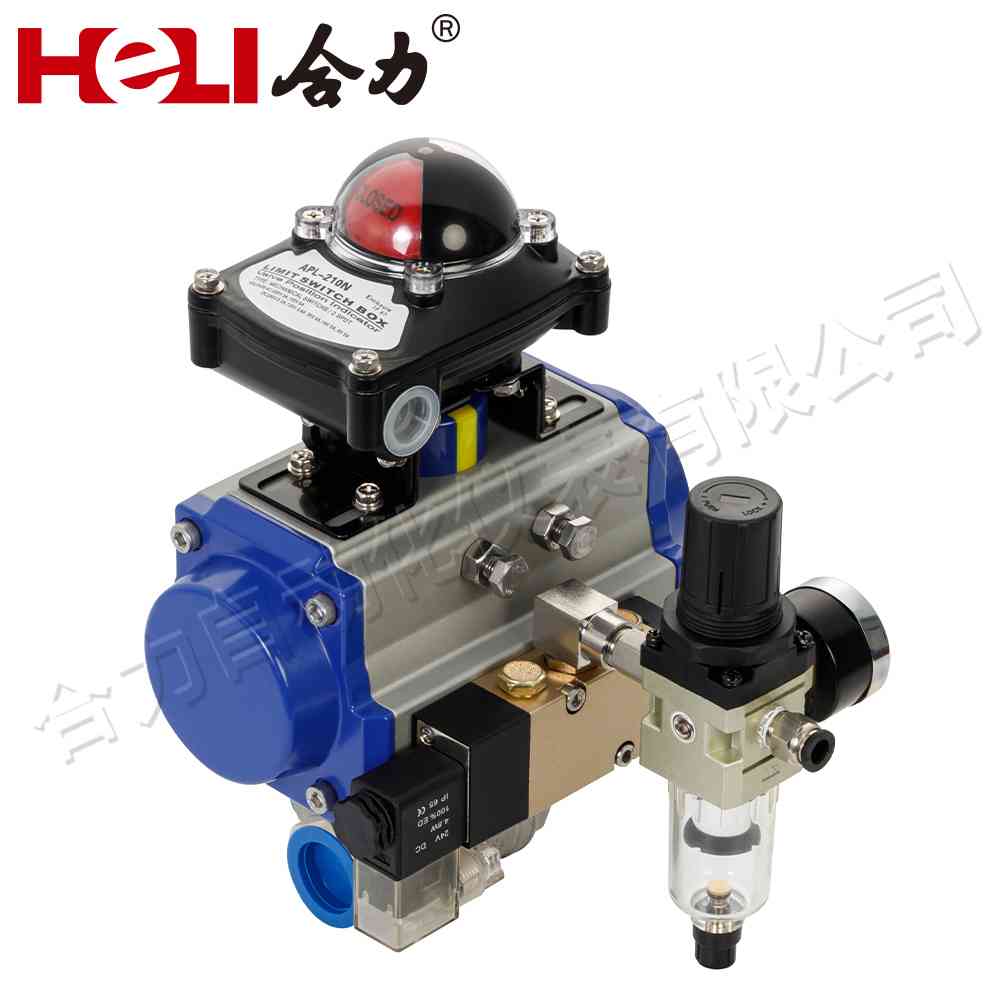
What Are Hydrogen Energy Pneumatic Actuators?
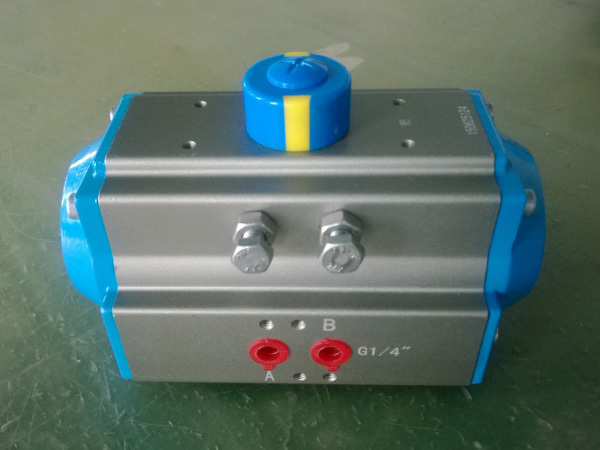
At its core, a pneumatic actuator is a mechanical device that uses compressed air to produce motion. These actuators are commonly employed in industries ranging from automotive to robotics, where precise and reliable movement is required. Traditionally, pneumatic actuators rely on compressed air, which is generated using electricity or fossil fuels. However, with the growing interest in hydrogen energy, researchers and engineers have begun to explore the potential of hydrogen-powered pneumatic actuators. Hydrogen energy pneumatic actuators integrate hydrogen fuel cells or hydrogen storage systems into the conventional pneumatic actuator design. The hydrogen fuel is used to generate compressed air, either through a chemical reaction in a fuel cell or by utilizing a hydrogen-powered compressor. This process eliminates the need for conventional energy sources, making these actuators an eco-friendly alternative to traditional pneumatic systems.