In the realm of industrial safety, the importance of electrical equipment lockouts cannot be overstated. These devices serve as critical components in ensuring the protection of maintenance personnel while servicing electrical systems and machinery. Electrical equipment lockout manufacturers play a pivotal role in producing these essential safety tools that adhere to stringent regulations and standards set forth by organizations such as OSHA (Occupational Safety and Health Administration). This article will delve into the significance of electrical equipment lockouts, their different types, and an overview of notable manufacturers in this industry.
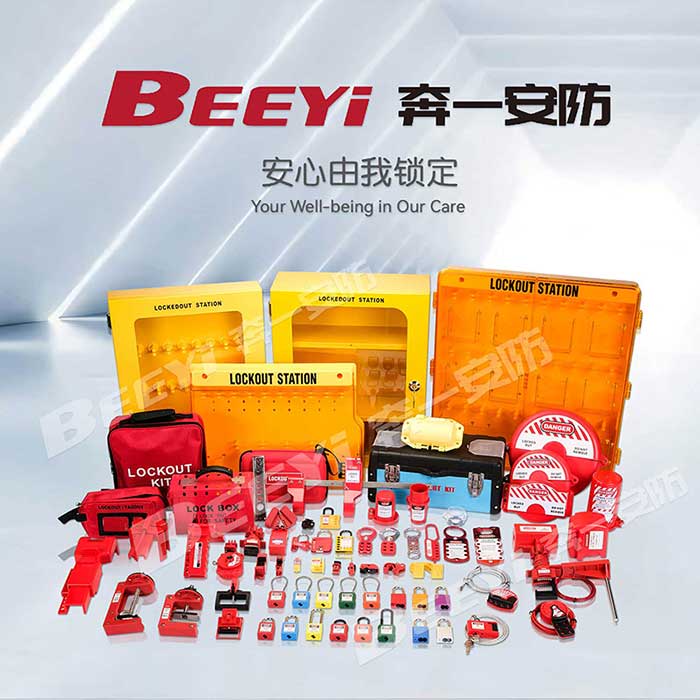
The Role and Importance of Electrical Equipment Lockouts Electrical equipment lockouts are mechanisms designed to prevent the accidental energization of electrical circuits and equipment during maintenance or repair work. When maintenance personnel must work on live electrical systems, the risk of electrical shock or other fatal accidents is significantly heightened. Lockout/tagout (LOTO) procedures provide a systematic approach to ensure that unwanted starting of machines or equipment is effectively prevented. The primary purpose of these devices is to secure power sources, which can include circuit breakers, switches, and disconnects, with a padlock or other locking mechanism. This ensures that only authorized personnel can access the equipment and that it remains inoperable until repairs or maintenance are fully completed. By implementing lockout/tagout procedures, companies not only comply with regulatory requirements but also establish a culture of safety that protects their employees and reduces the risk of workplace accidents.