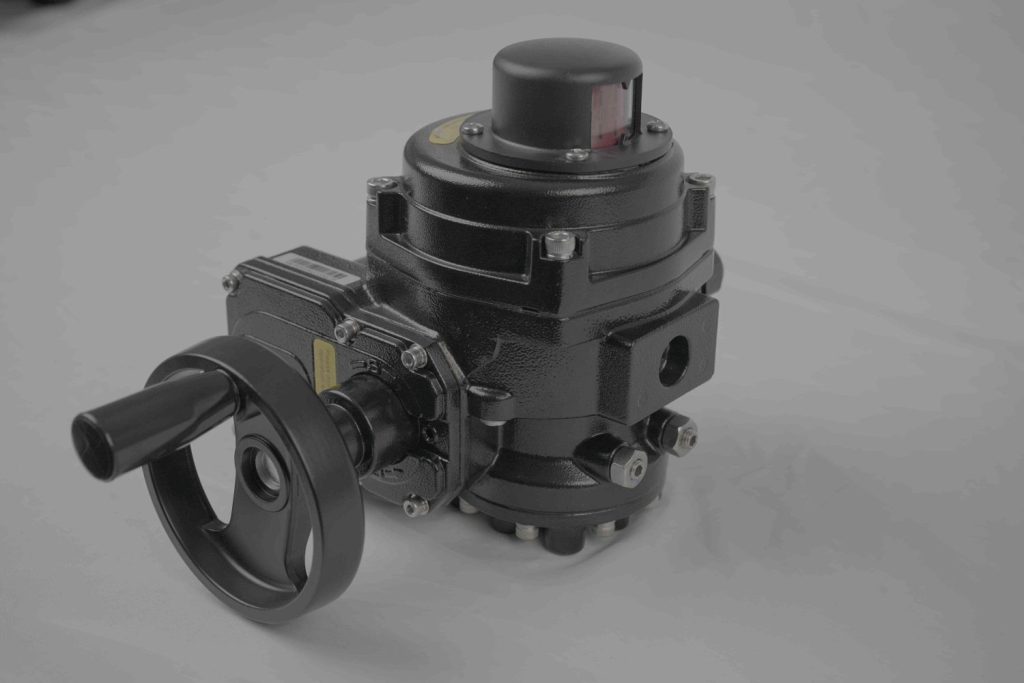
In today’s world, lithium-ion batteries power everything from electric vehicles (EVs) to consumer electronics and large-scale energy storage systems. While these batteries offer excellent performance and energy density, they also come with inherent risks—chief among them the danger of fire or explosion. To address these risks, one crucial component that has emerged in modern battery design is the explosion-proof lithium battery valve. This safety feature plays an essential role in ensuring the safe operation of lithium-ion batteries, particularly in high-stakes environments where battery failure can have catastrophic consequences.
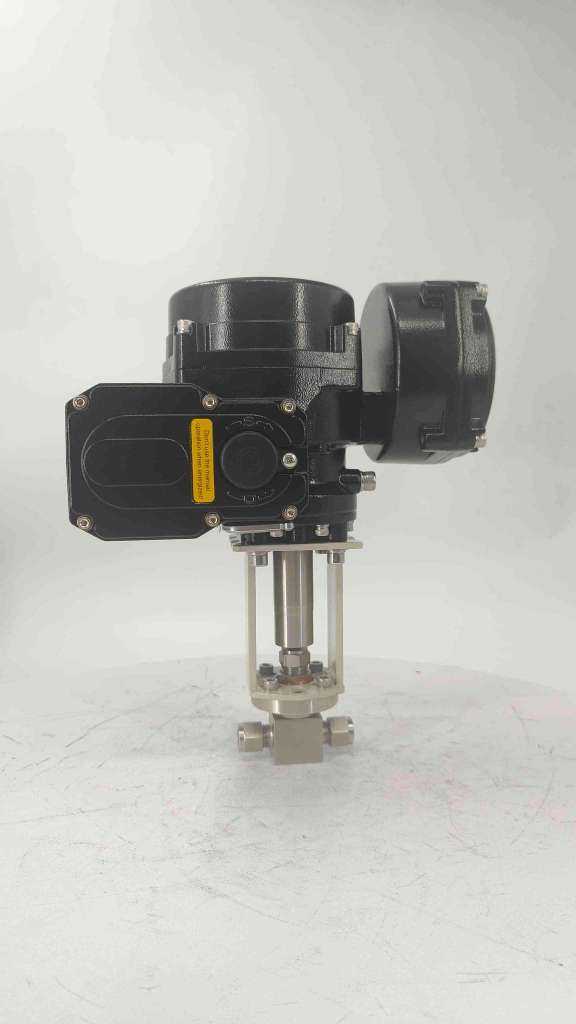
What Is an Explosion-proof Lithium Battery Valve?
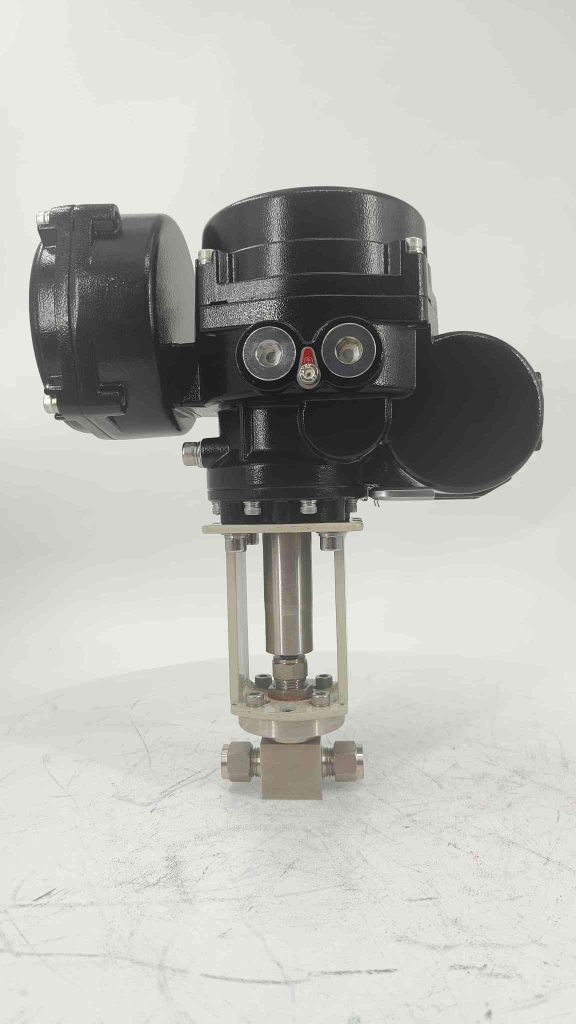
An explosion-proof lithium battery valve is a device designed to mitigate the risk of a lithium-ion battery explosion by regulating pressure and temperature within the battery pack. In the event of internal failures such as overcharging, short circuits, or thermal runaway, the valve works to release gas, reducing the risk of a violent rupture or fire. By safely venting excess pressure, it acts as a last line of defense to ensure that the battery doesn’t cause harm to its surroundings. How Does an Explosion-proof Valve Work? Lithium-ion batteries store a large amount of energy in a small space, making them highly efficient but also prone to overheating or pressure buildup under certain conditions. When these batteries experience an internal failure, such as excessive heat or overcharging, chemical reactions can occur that generate gas inside the cell. If this pressure is not released, it can cause the battery casing to rupture or even explode.