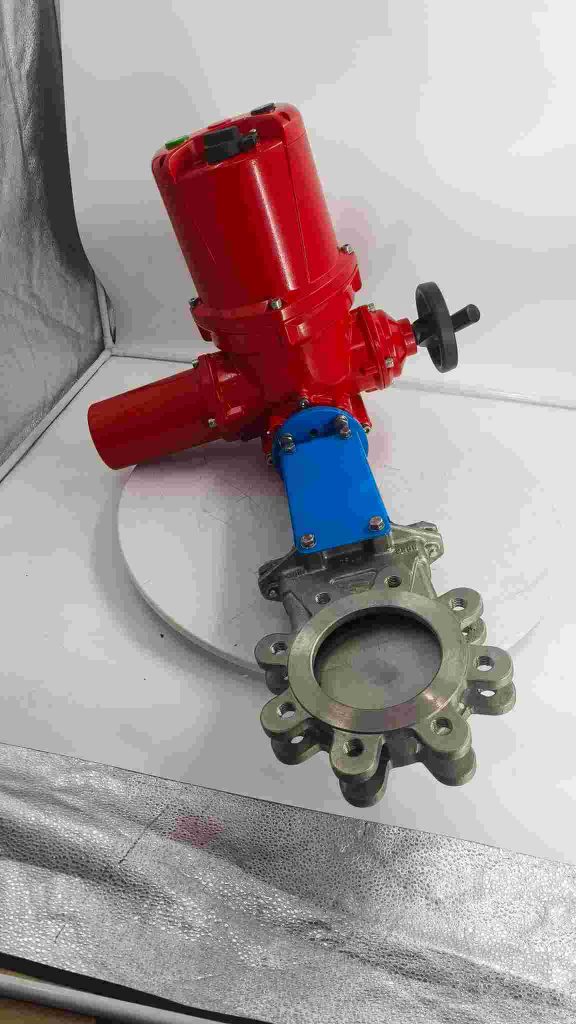
Electric gate valves represent a significant advancement in fluid control technology. Designed for precise regulation and reliable operation, these valves play a crucial role in various industrial applications, from oil and gas pipelines to water treatment facilities. In this article, we will explore the structure, working principles, advantages, applications, and maintenance of electric gate valves to provide a comprehensive understanding of this essential component in fluid management systems.
Structure and Functionality
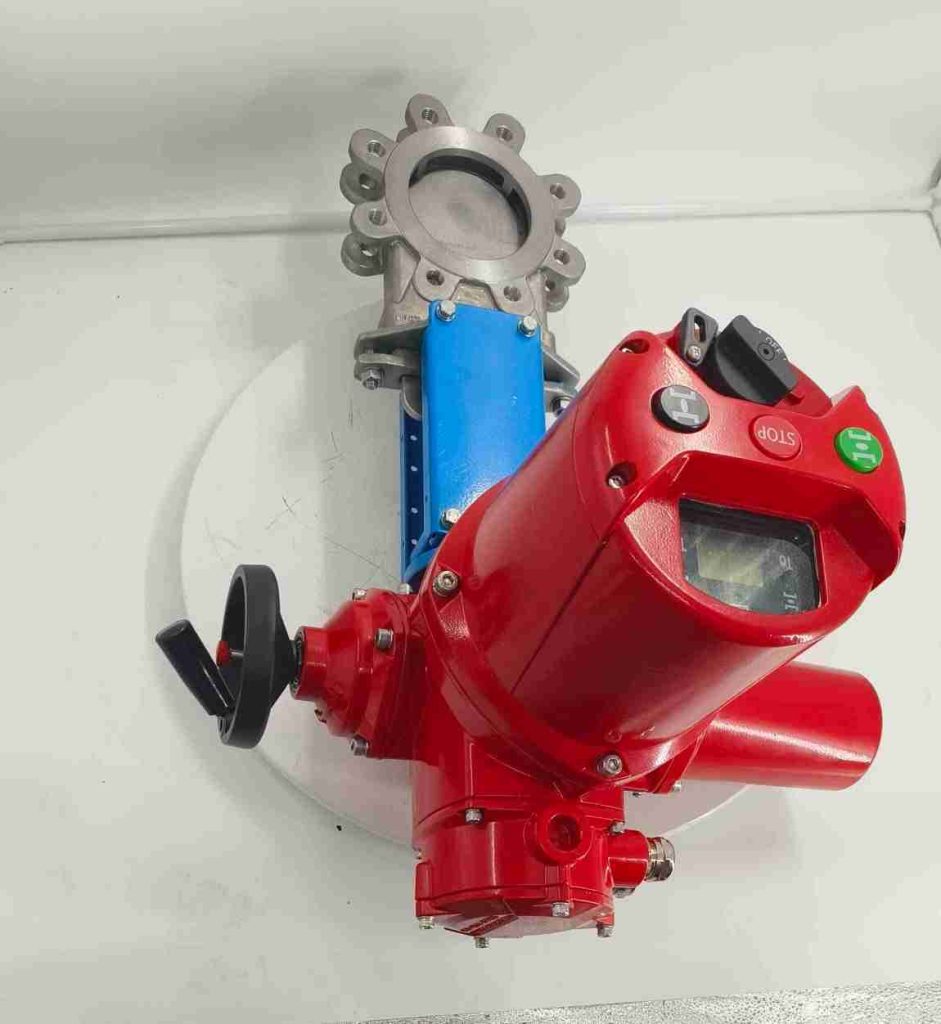
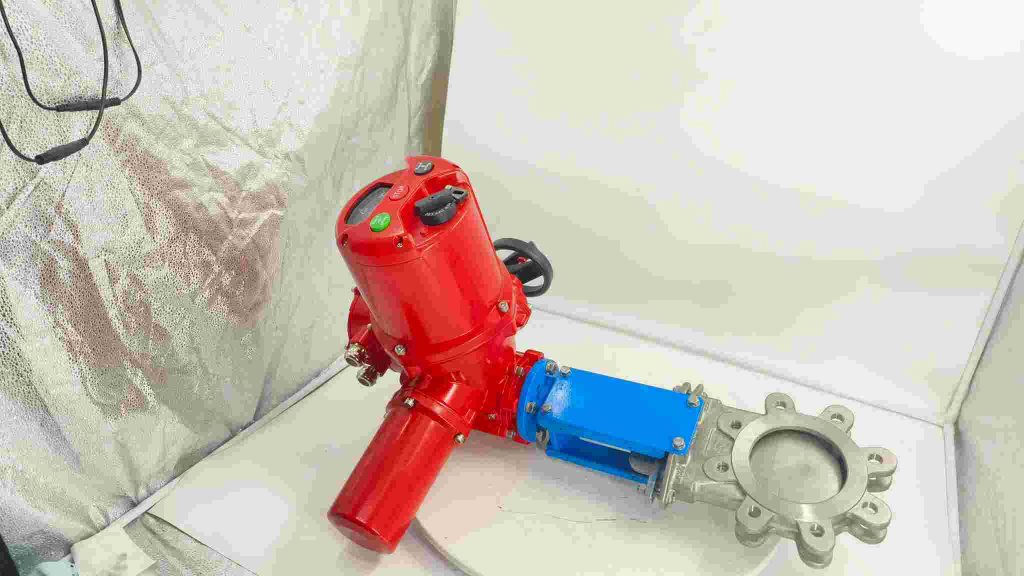
An electric gate valve consists of several key components: the valve body, gate (or disk), stem, electric actuator, and various fittings and seals. The valve body is typically made of robust materials such as stainless steel or cast iron, designed to withstand high pressure and corrosive environments. The gate, which controls the flow of fluid, moves vertically within the valve body and is connected to the electric actuator via a stem. The electric actuator is the heart of the electric gate valve. It contains an electric motor that drives the stem, allowing the gate to open or close the valve. When an electrical signal is received—either from a control system or manual input—the actuator adjusts the position of the gate, either fully opening or closing the flow path. This process enables precise control over the fluid flow, making electric gate valves suitable for a range of applications.