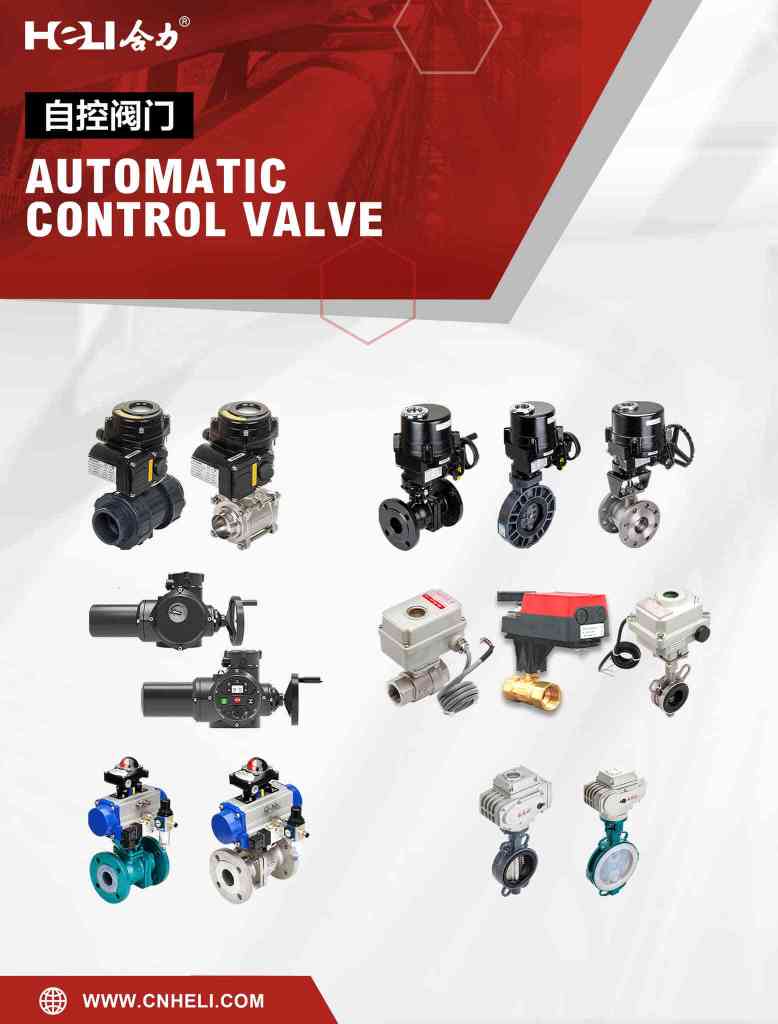
Electric valves play a crucial role in the automation of fluid control systems across various industries. As the demand for efficiency and precision grows, electric valves have become an essential component in managing the flow of liquids and gases. This article delves into the functionality, benefits, applications, and considerations associated with electric valves.
What is an Electric Valve?
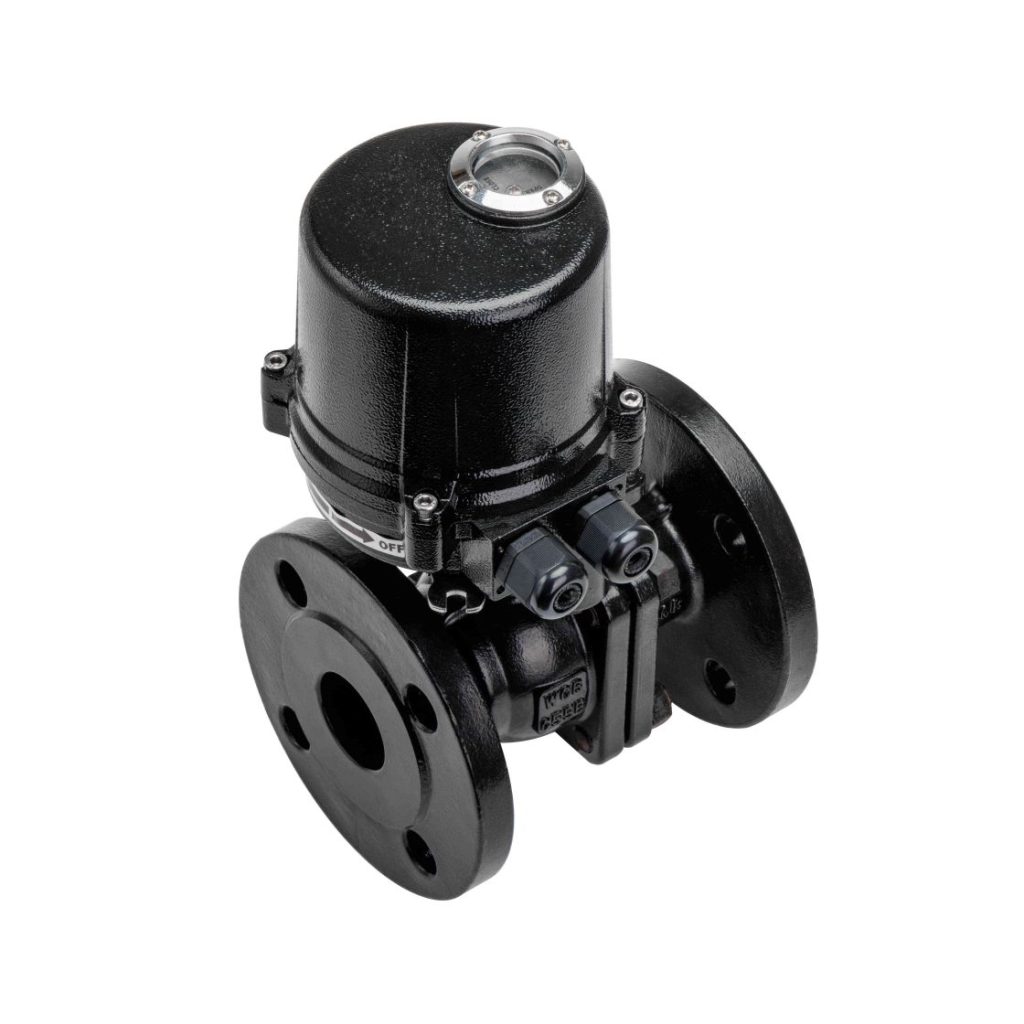
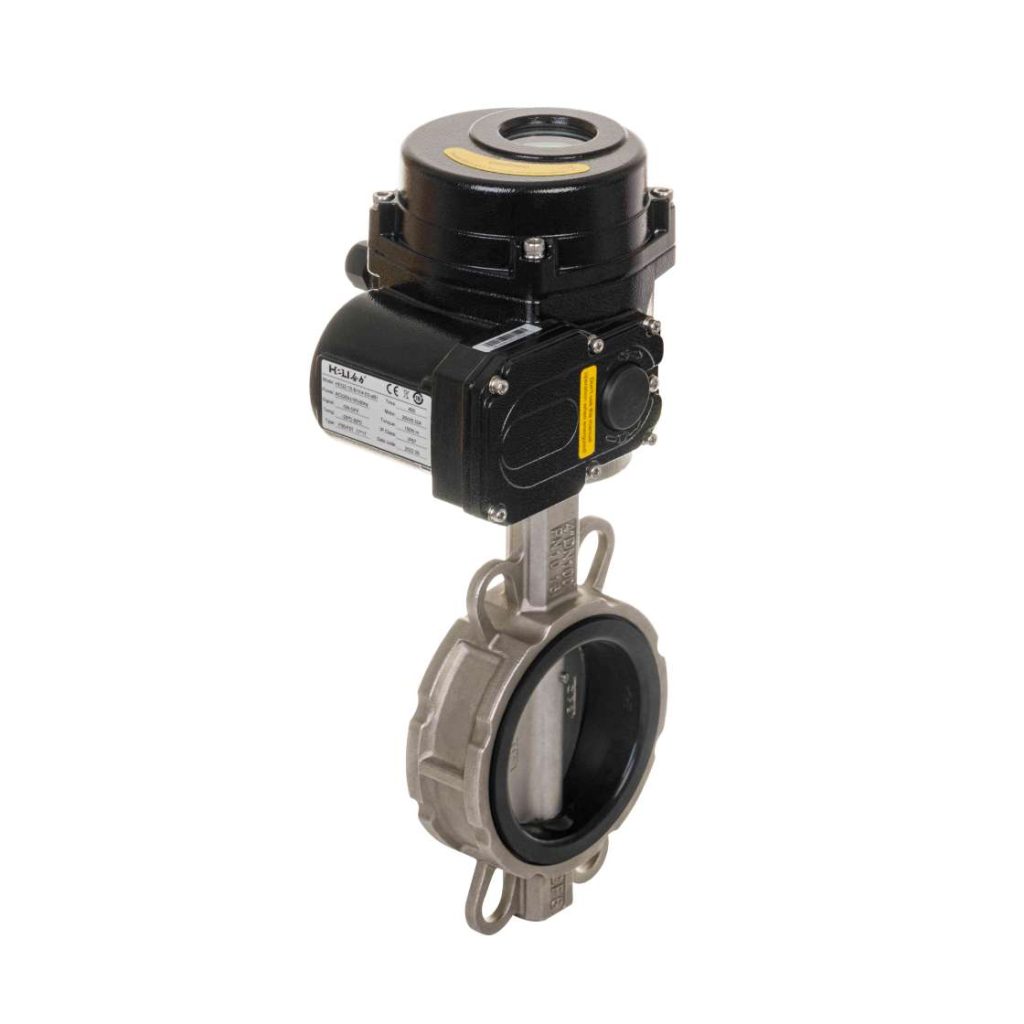
An electric valve is a type of valve that uses an electric actuator to control the flow of fluids within a system. These valves can be found in a multitude of configurations, including ball valves, butterfly valves, and globe valves, among others. The electric actuator converts electrical energy into mechanical energy, enabling the valve to open, close, or modulate the flow based on the system’s requirements. How Does an Electric Valve Work? The operation of an electric valve involves several key components: Valve Body: The main structure that houses the mechanism controlling flow—this could be a ball, gate, or butterfly, depending on the design.