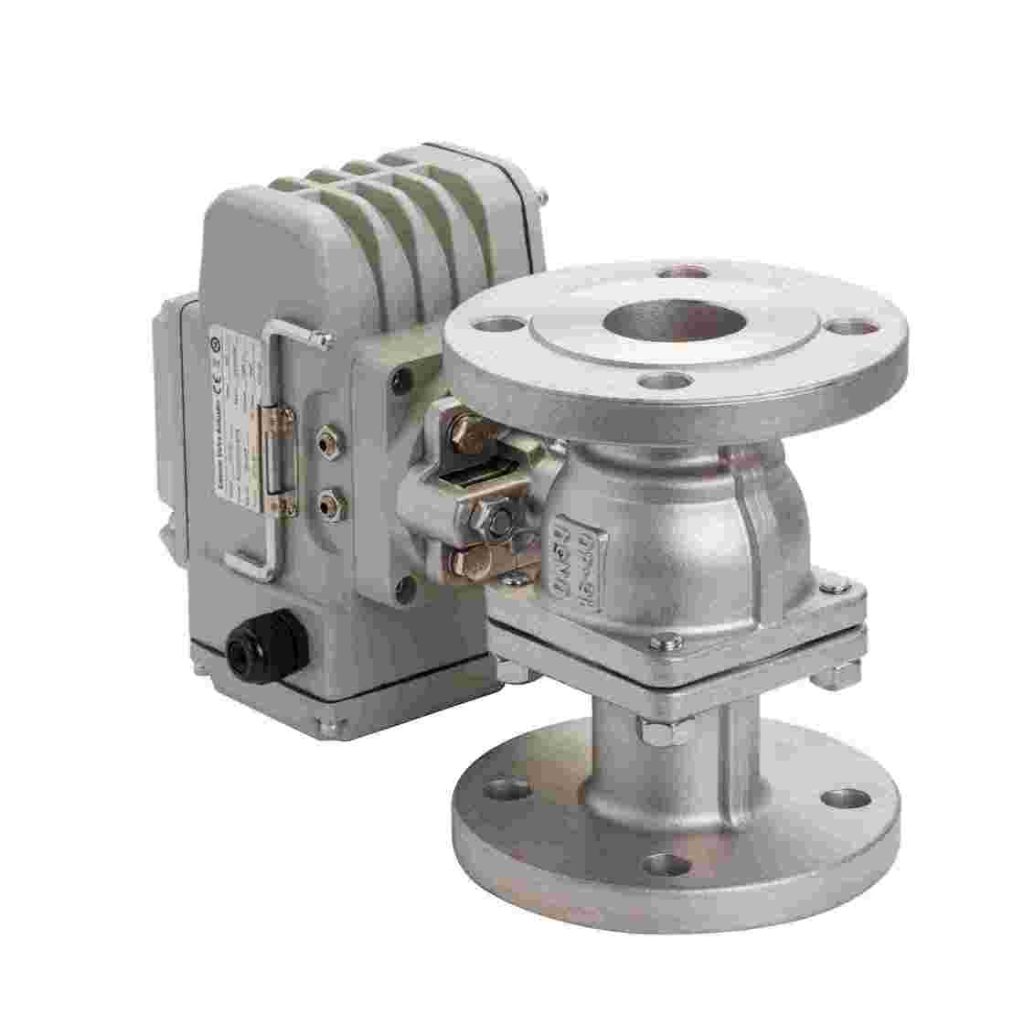
In the realm of industrial automation and fluid control, the electric stainless steel flange ball valve stands out as a critical component for managing the flow of various liquids and gases. Engineered for durability and efficiency, this type of valve combines the benefits of a reliable ball valve design with the convenience of electric actuation, making it an excellent choice for numerous applications across different sectors. This article delves into the essential features, working principles, advantages, and diverse applications of the electric stainless steel flange ball valve.
Features of Electric Stainless Steel Flange Ball Valve
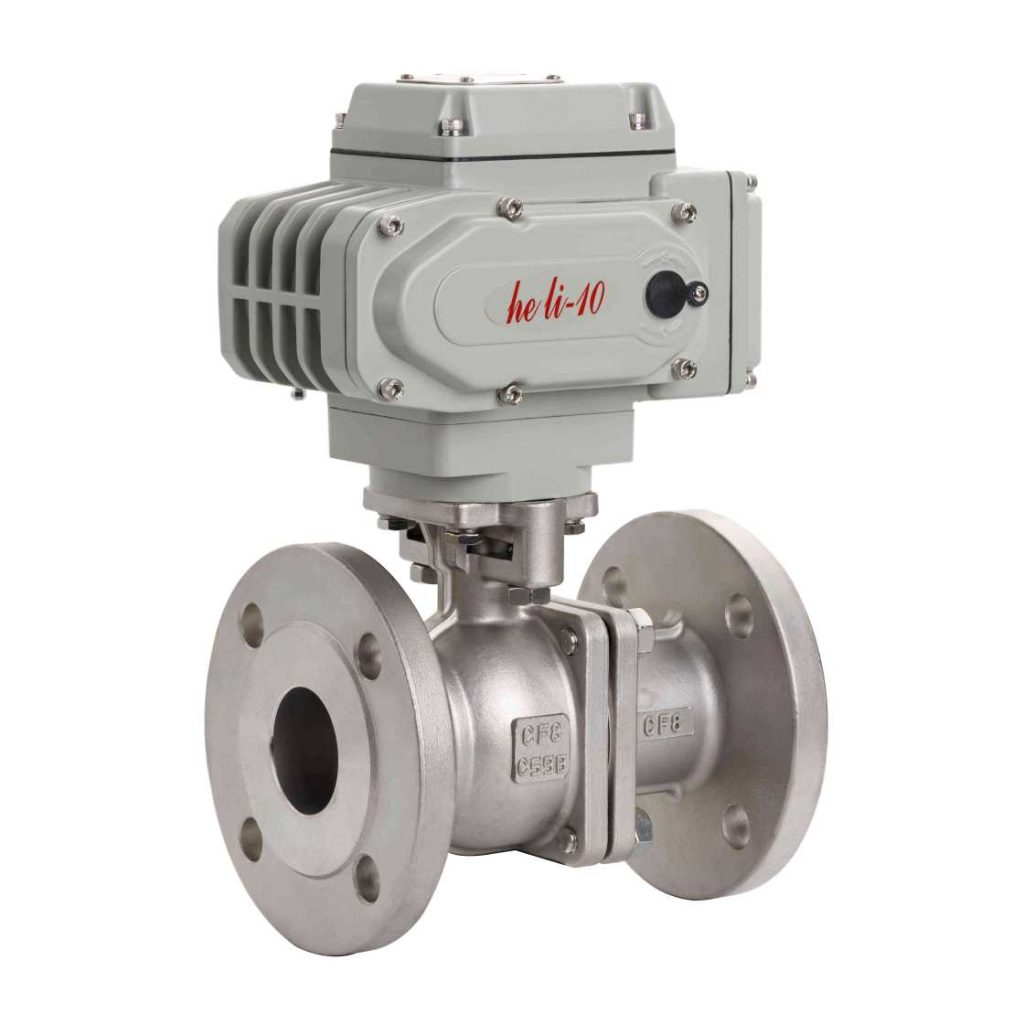
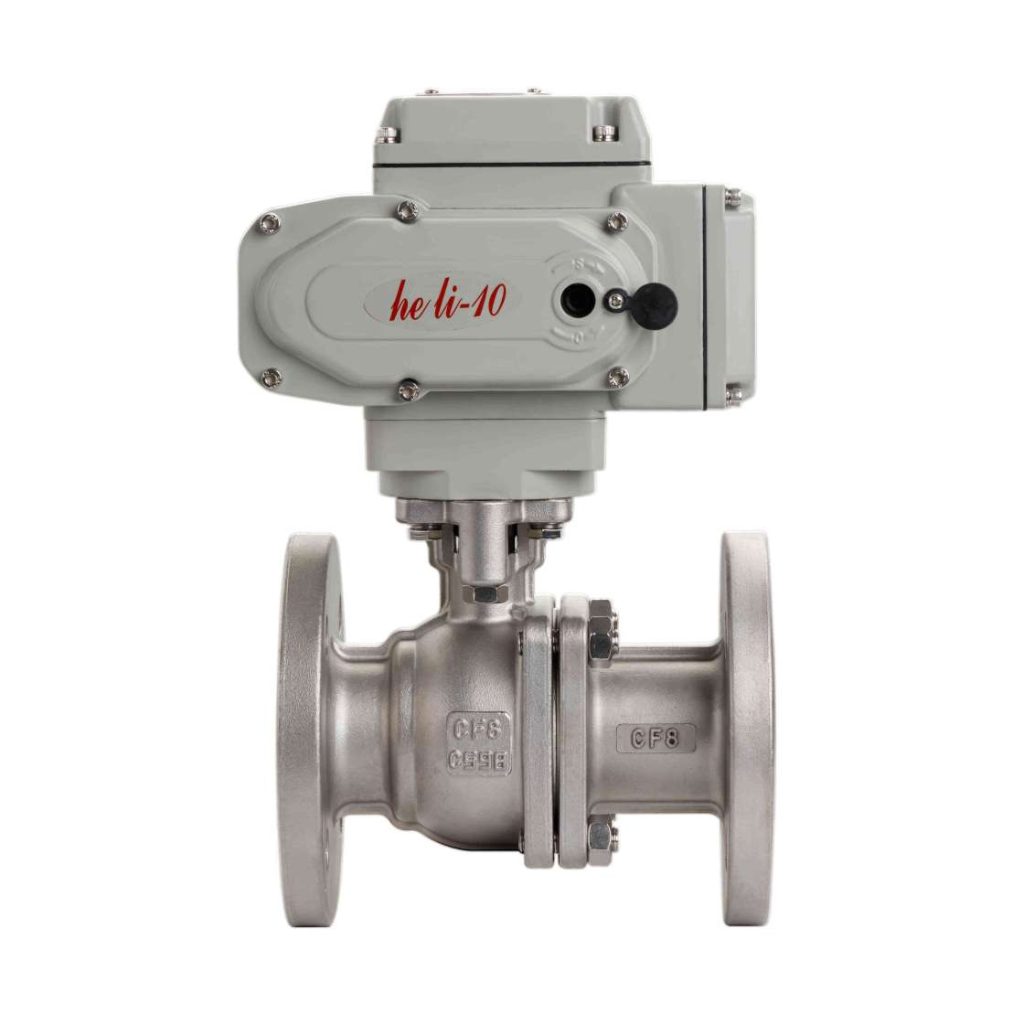
The electric stainless steel flange ball valve typically consists of several key components: the valve body, ball, stem, electric actuator, and flanged connections. Constructed from high-quality stainless steel—most commonly 304 or 316 grades—this valve exhibits exceptional resistance to corrosion, high temperatures, and overall wear under challenging environmental conditions. The ball design allows for a full bore or reduced bore configuration; full bore valves provide minimal pressure drop and reduced turbulence, significantly enhancing flow efficiency. The flanged connections on the valve body ensure a secure fit to the piping system, enabling easy installation and maintenance. Flanges conform to industry standards such as ANSI or DIN, providing compatibility with various piping systems. This design facilitates not just easy assembly but also disassembly for routine maintenance or system upgrades.