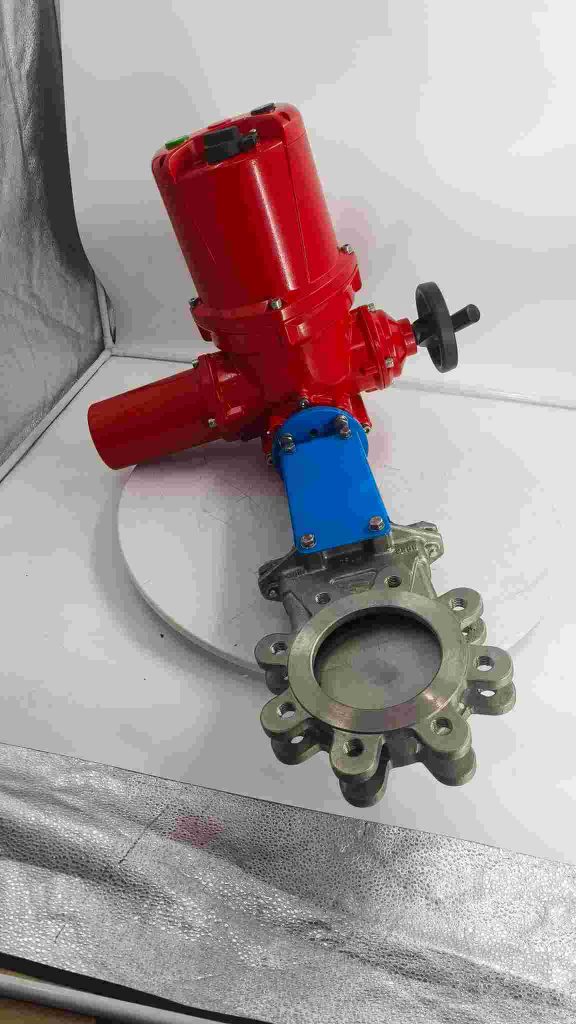
A Stainless Steel Electric Gate Valve is an essential component in a wide range of industries, known for its robust construction and efficient performance. Combining the durability of stainless steel with the automation capabilities of electric actuators, this type of valve is a reliable solution for controlling the flow of liquids and gases in various industrial processes. This article explores the key features, advantages, applications, and maintenance considerations of stainless steel electric gate valves, highlighting their importance in modern engineering systems.
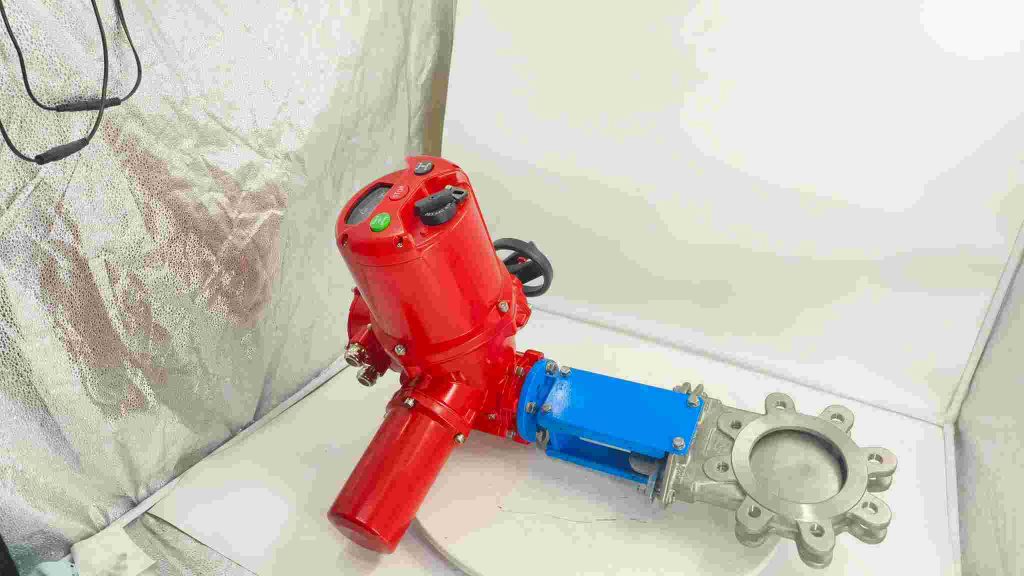
1. What is a Stainless Steel Electric Gate Valve?
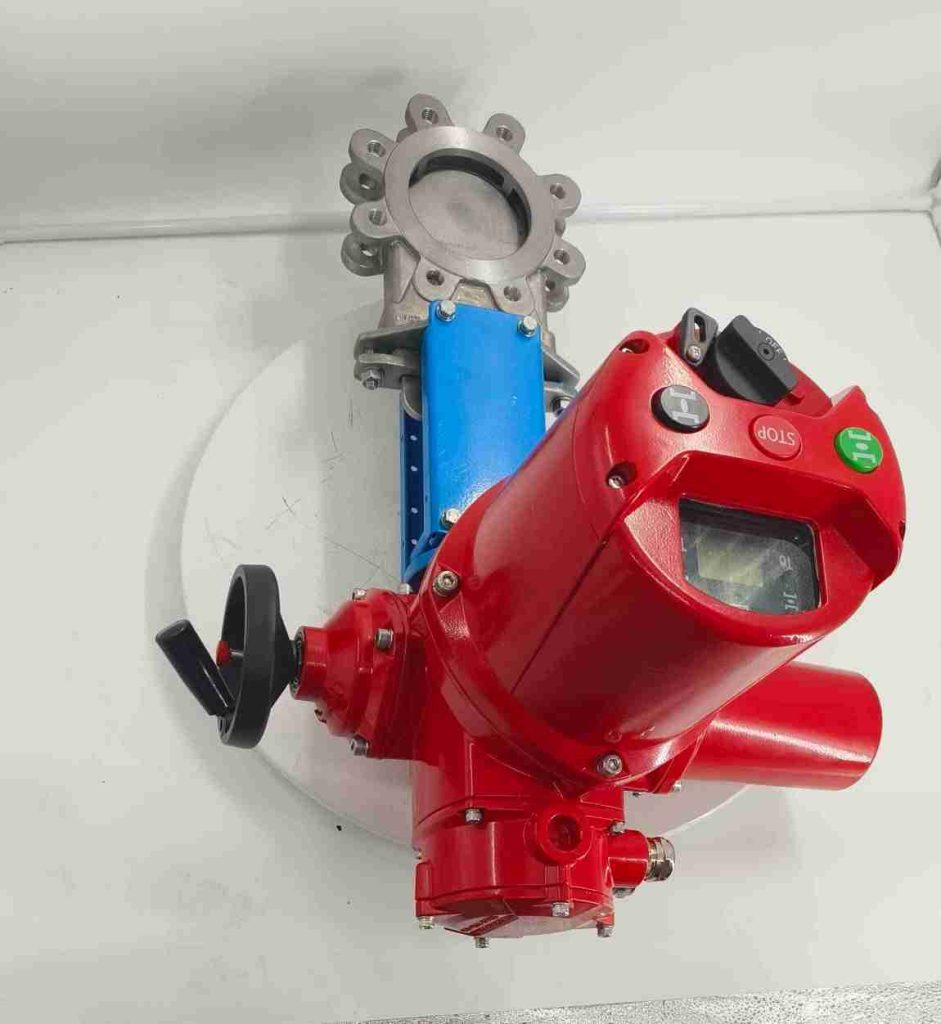
A gate valve is a type of valve used primarily to stop or allow the flow of fluid. Unlike ball valves or globe valves, which can regulate flow, gate valves are typically fully open or fully closed. The valve consists of a gate (a flat, typically wedge-shaped metal part) that slides up and down within the valve body to control the passage of fluid. When integrated with an electric actuator, the gate valve becomes capable of remote or automated operation, which is highly beneficial for applications requiring precision and efficiency. The electric actuator uses an electric motor to control the movement of the gate, eliminating the need for manual operation and offering seamless integration into automated systems.