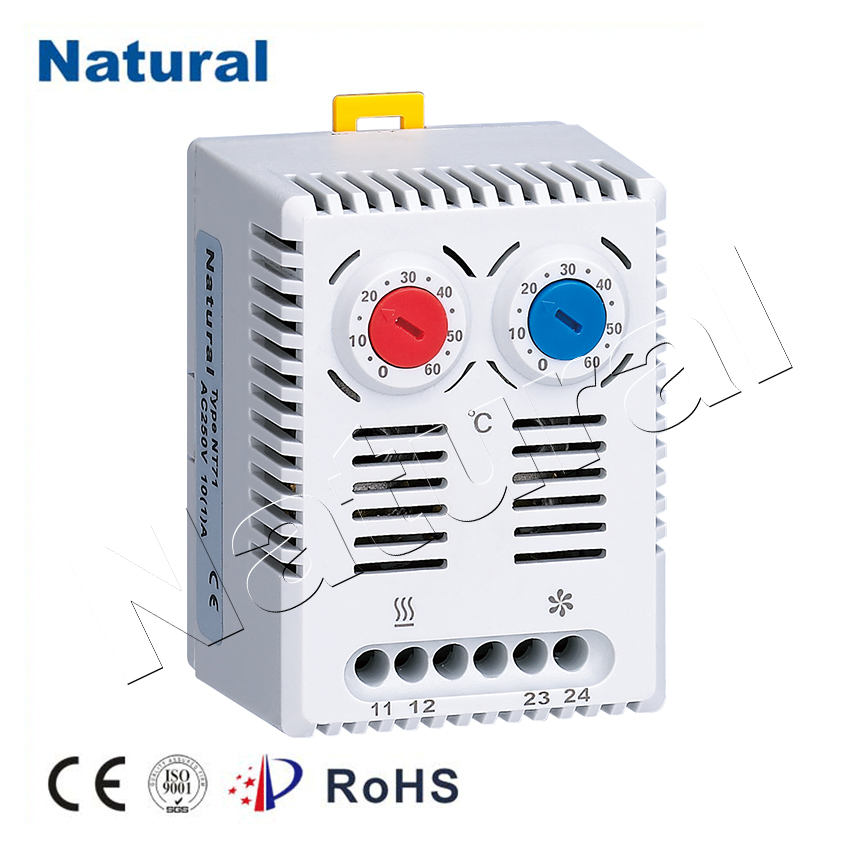
In today’s world, temperature control is a critical factor in ensuring comfort, safety, and efficiency in a wide variety of environments, from homes to industrial settings. One innovation that has gained traction is the dual thermostat, a technology designed to offer precise control over temperature settings by allowing two independent temperature zones or systems to operate simultaneously. This feature is particularly valuable in applications ranging from home heating and cooling systems to more complex industrial machinery. In this article, we will explore the role of dual thermostats, how they work, and their benefits in various sectors.
What is a Dual Thermostat?
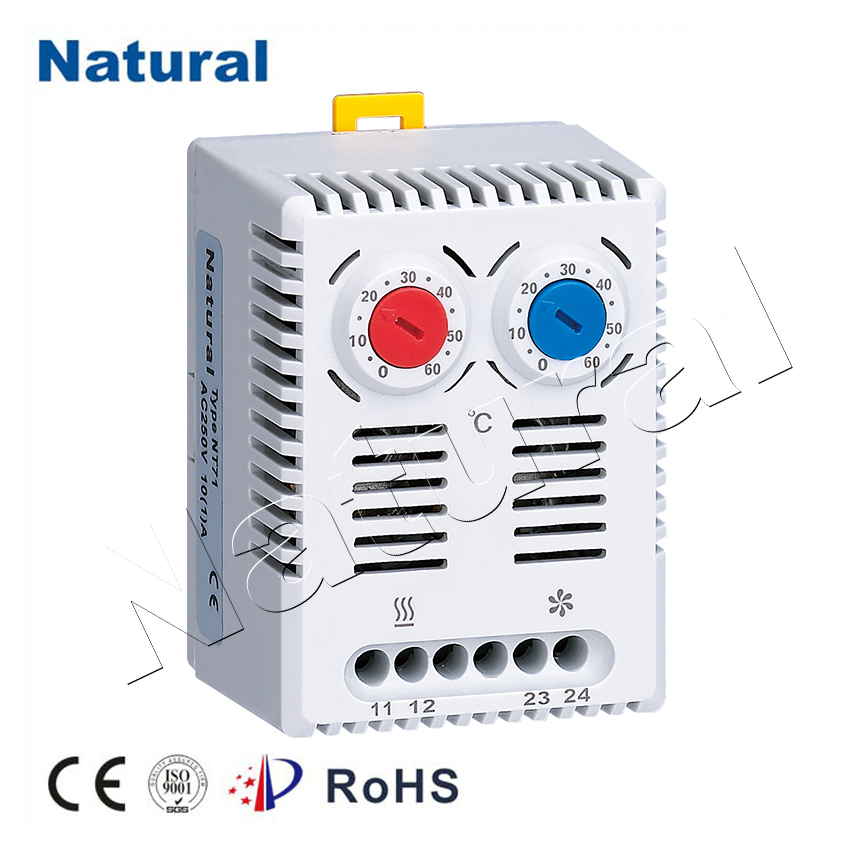
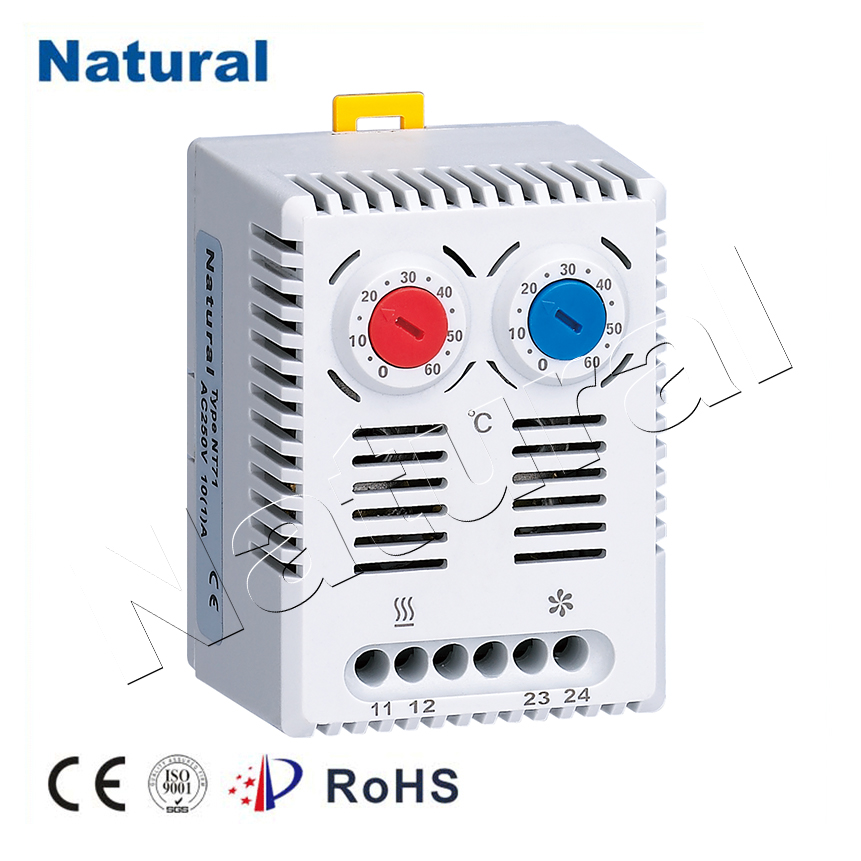
A dual thermostat is a temperature control system that features two independent thermostatic controls within a single device. Each control can regulate the temperature of a different zone or system, allowing for customized heating or cooling settings in each area. In practical terms, a dual thermostat enables two separate temperature zones to be managed individually, improving overall system efficiency and user comfort. For instance, in a home, a dual thermostat may be used to regulate the temperature of the upper and lower floors separately, allowing homeowners to set different temperatures for each floor. This contrasts with traditional single-zone thermostats, which maintain the same temperature throughout the entire home, leading to potential inefficiencies and discomfort in certain areas.