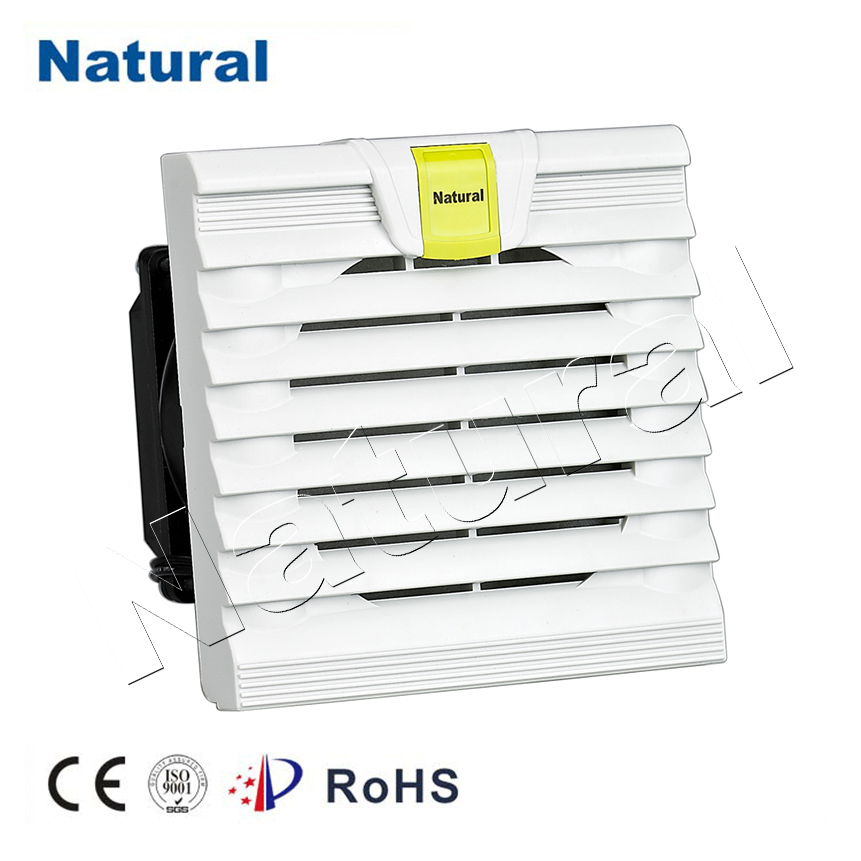
In modern industrial and data center environments, maintaining optimal operating conditions for sensitive electronic equipment is crucial. One of the most effective and cost-efficient methods for ensuring these conditions is the use of a cabinet filter fan. These specialized devices are designed to enhance airflow, regulate temperature, and keep contaminants out of equipment enclosures. In this article, we will explore the working principle, applications, advantages, and considerations of cabinet filter fans in various settings.
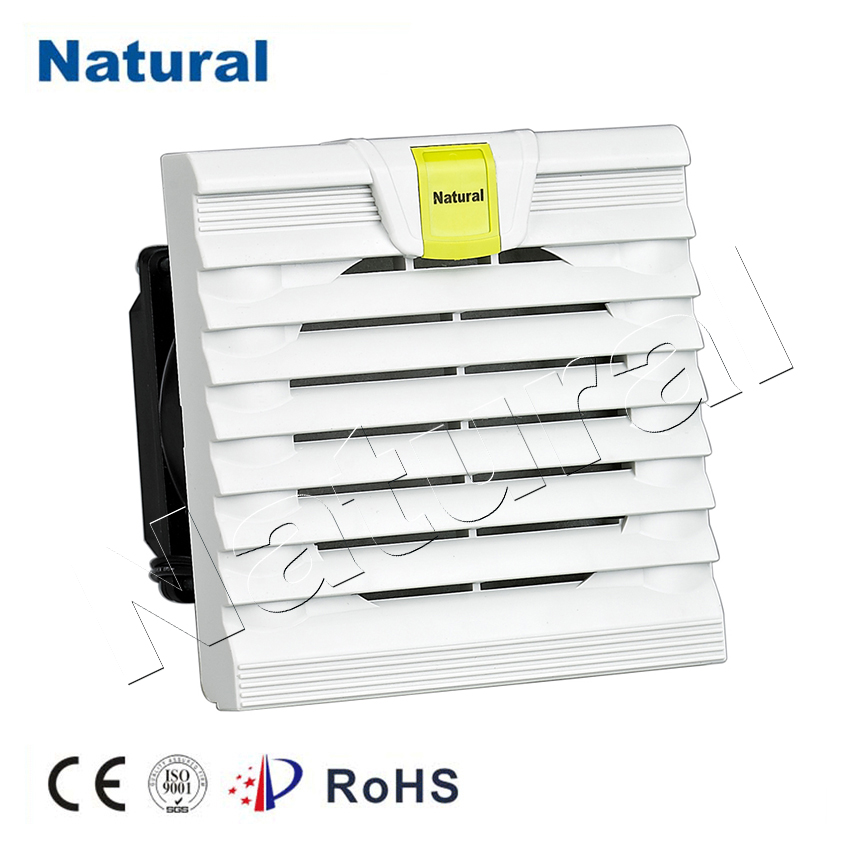
What is a Cabinet Filter Fan?
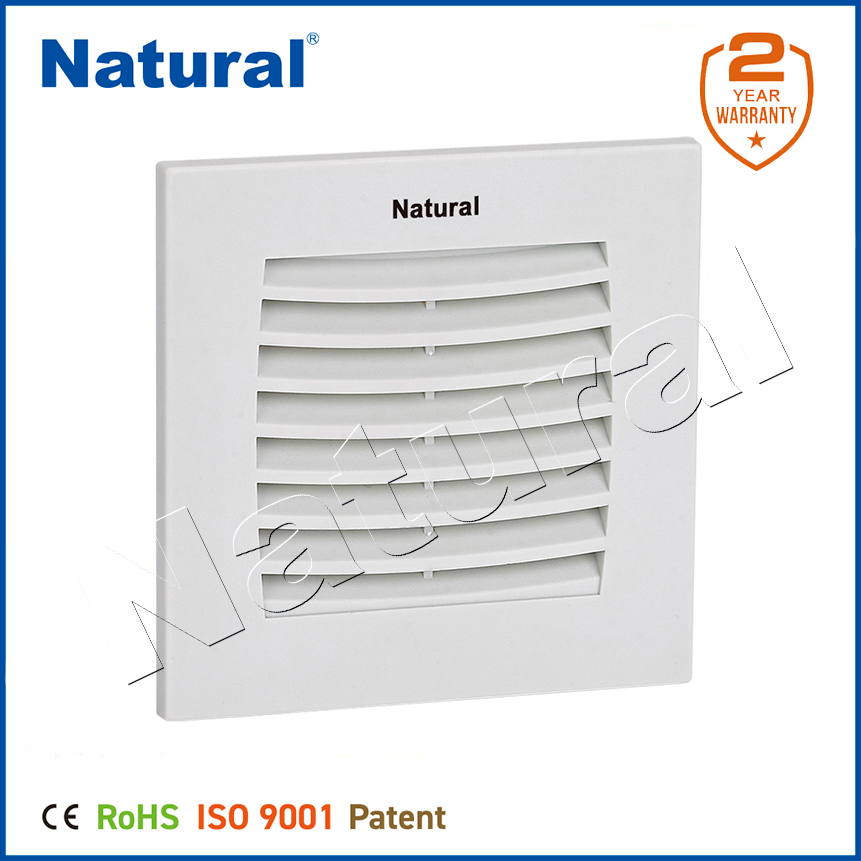
A cabinet filter fan is a device used to regulate temperature and maintain air quality inside electronic enclosures, such as server racks or industrial control cabinets. It typically consists of a fan system that circulates air through a filter. The filter traps dust, dirt, and other particulate matter while the fan ensures a continuous flow of air. This helps in preventing the equipment inside the cabinet from overheating and protects it from harmful pollutants. How Does a Cabinet Filter Fan Work? The functioning of a cabinet filter fan is relatively straightforward but highly effective. It works by drawing in external air and passing it through a filter that removes dust and other airborne contaminants. Once the air is filtered, the fan directs it into the cabinet to maintain a constant airflow.