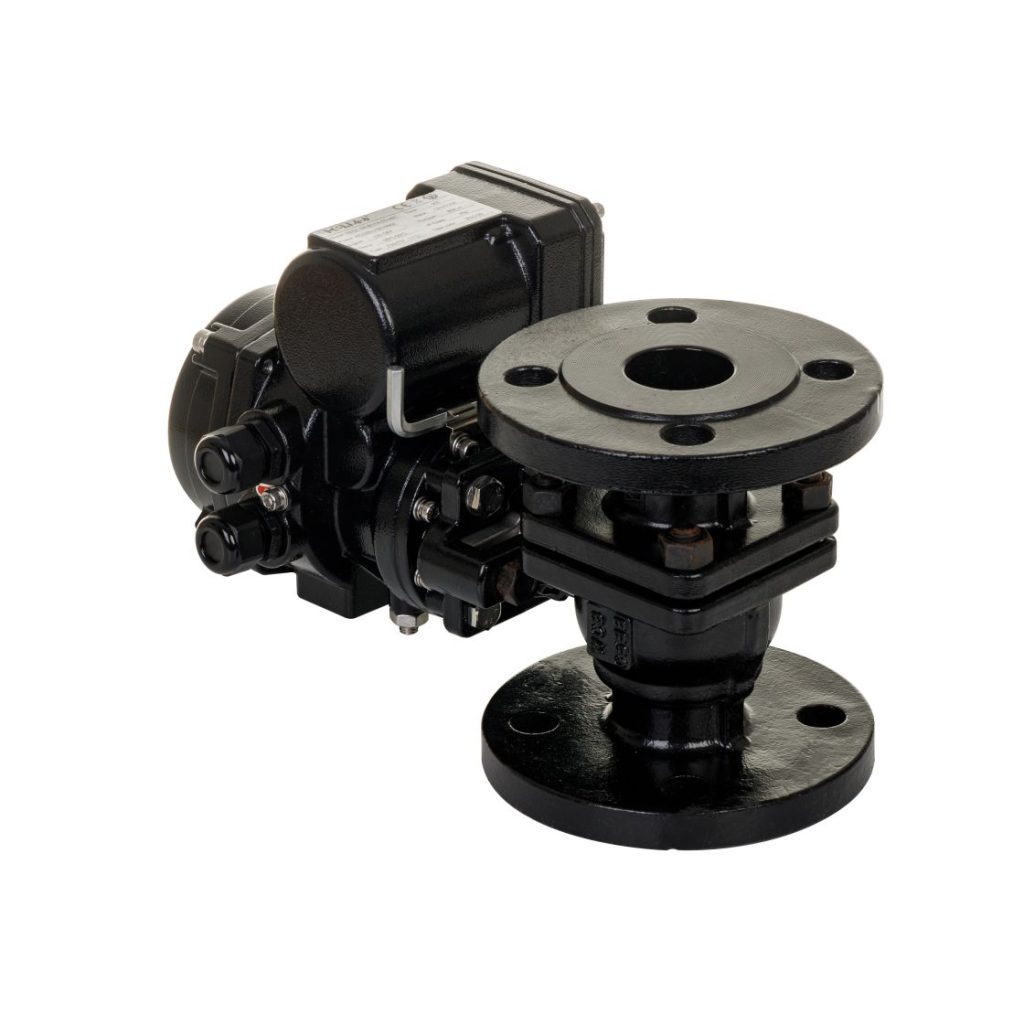
In the ongoing transition towards sustainable energy, hydrogen has emerged as a promising alternative to traditional fossil fuels. As countries and industries work to harness hydrogen’s potential, an array of specialized equipment is required to ensure safe, efficient, and reliable handling of this gas. Among these critical components is the Hydrogen Energy Electric Flange Ball Valve, which plays an indispensable role in the transportation and storage of hydrogen gas. This article explores the design, applications, and importance of these valves in the growing hydrogen economy.
The Role of Hydrogen Energy Electric Flange Ball Valves
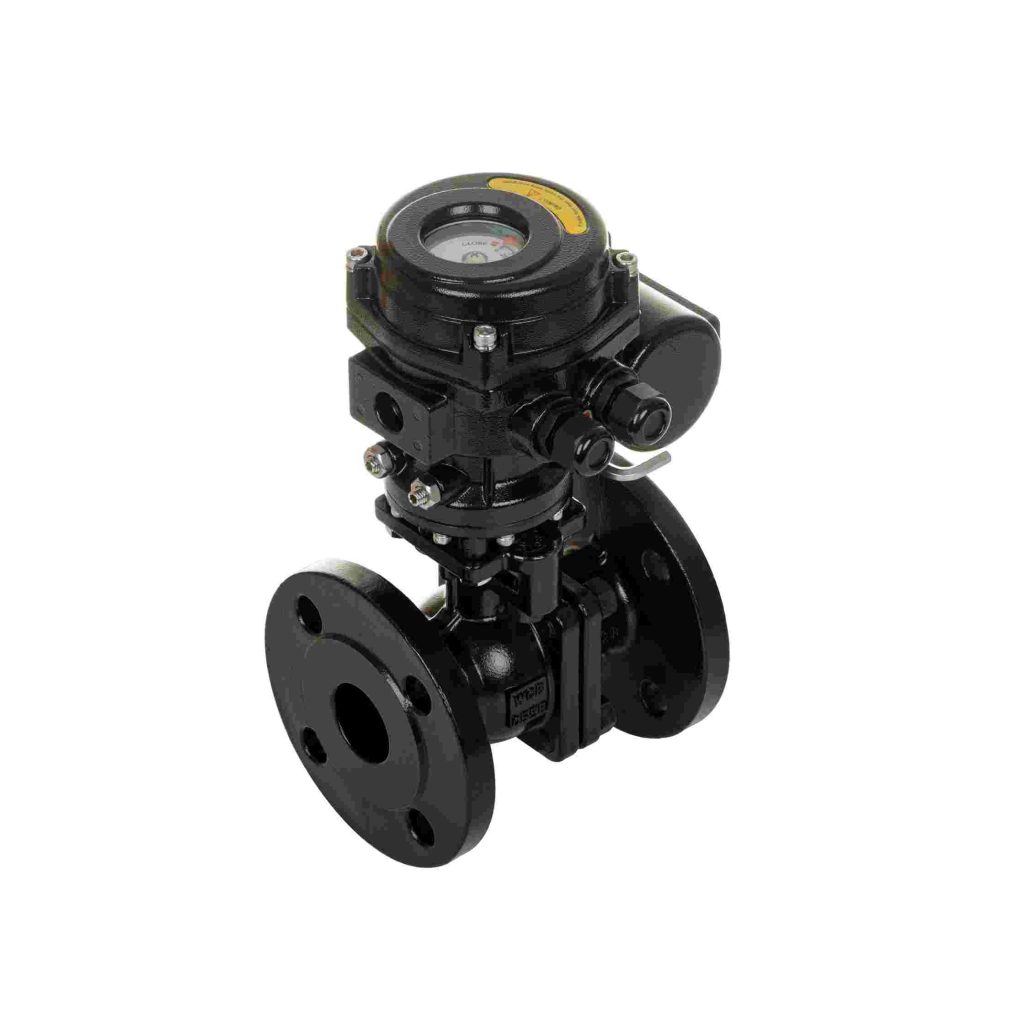
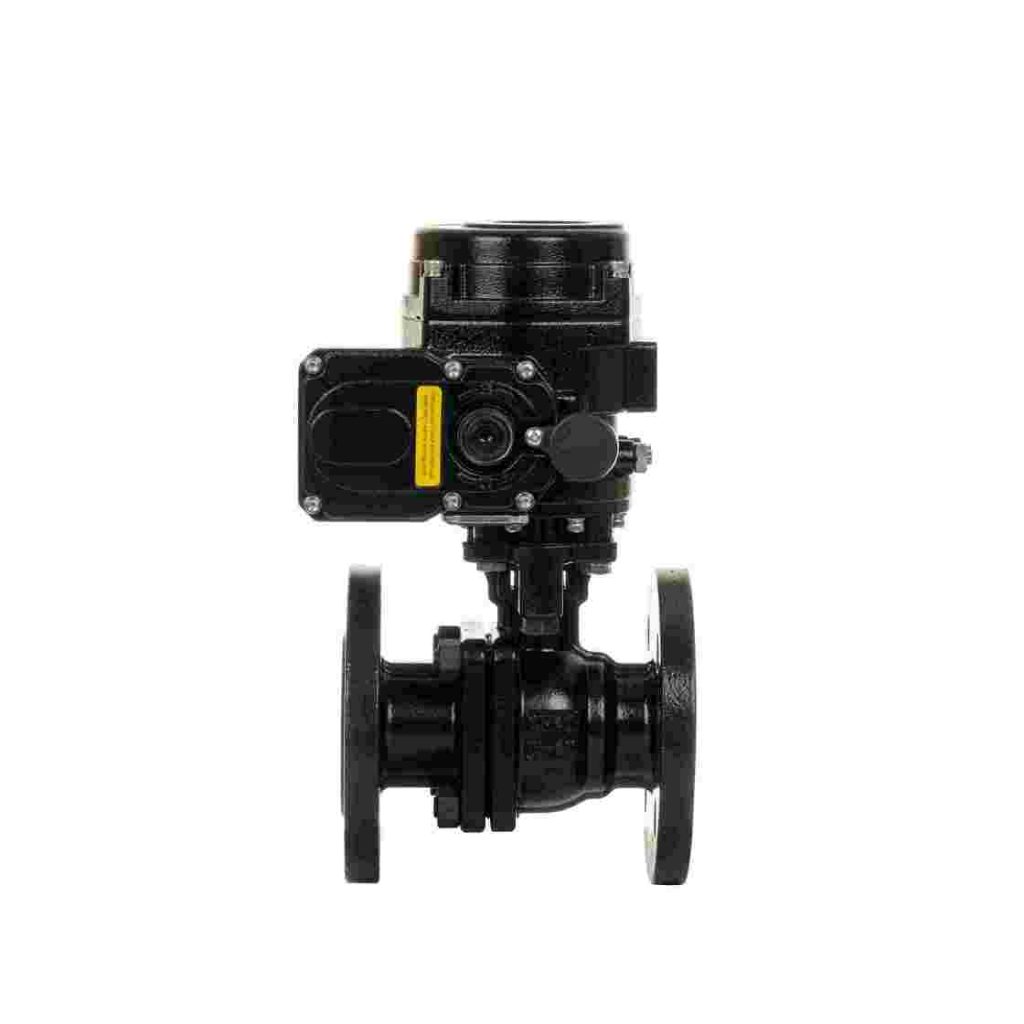
A Hydrogen Energy Electric Flange Ball Valve is a type of valve that uses electric actuators to control the flow of hydrogen gas through pipelines, tanks, and other parts of the infrastructure. The valve features a spherical ball with a hole or passage through its center, which allows or blocks the flow of the gas depending on the ball’s orientation. The key distinguishing feature of this valve is its electric actuator, which provides automatic control over the opening and closing of the valve, ensuring precise regulation of the hydrogen flow. Why Are These Valves Critical? Hydrogen gas, as a clean energy source, presents unique challenges for handling and storage. It is highly flammable and can leak through tiny cracks or weak seals, making safety a top priority in hydrogen systems. Hydrogen Energy Electric Flange Ball Valves are designed to meet these challenges with robust construction, high-performance seals, and advanced materials that prevent leaks and ensure safe operation even under extreme conditions.