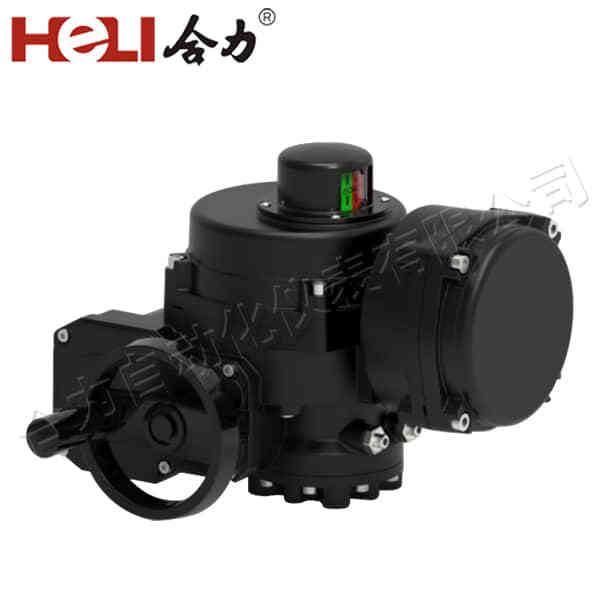
Electric actuators have become an integral part of many modern automation systems. These devices are designed to convert electrical energy into mechanical motion, enabling precise control over various processes in industries ranging from manufacturing to energy production. As the world continues to move towards automation, understanding how electric actuators work, their applications, and their advantages is crucial. This article will explore the fundamental principles of electric actuators, highlight their common uses, and discuss the benefits they offer across different industries.
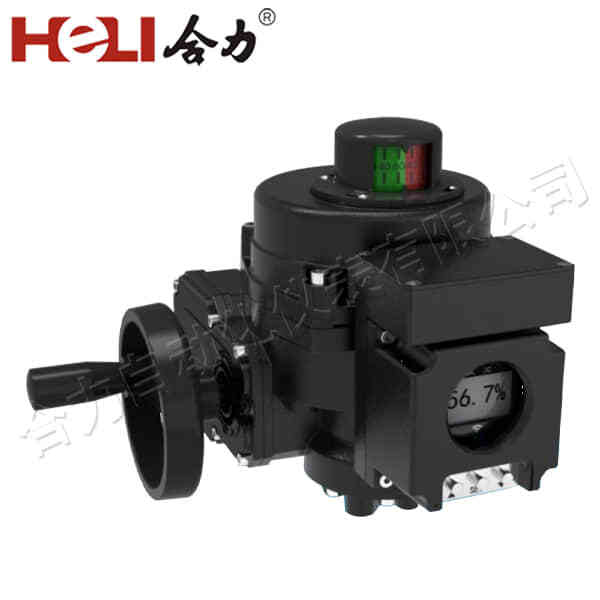
What is an Electric Actuator?
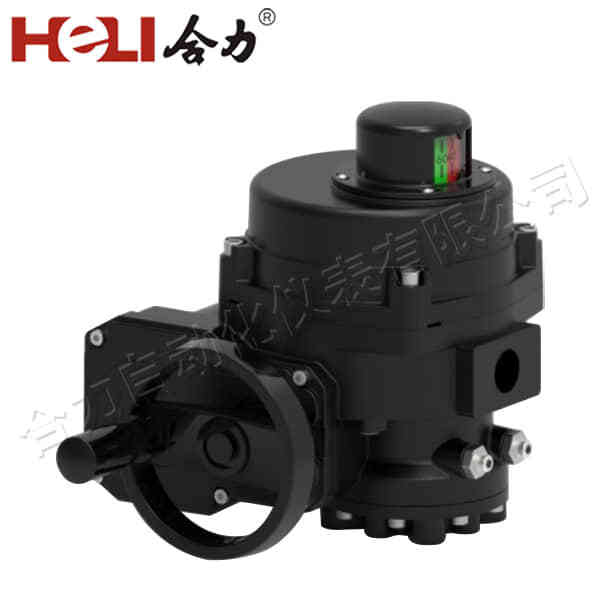
An electric actuator is a device that uses electrical energy to produce mechanical movement, typically in the form of linear or rotary motion. The basic components of an electric actuator include an electric motor, a reduction gear, and a mechanism to convert the rotational motion of the motor into linear or angular movement. Electric actuators can be powered by a variety of electrical sources, including AC (alternating current) or DC (direct current) electricity, and can be controlled by various control systems, including manual, automatic, or remote-operated controllers. The operation of an electric actuator is relatively simple: when electrical current is applied to the motor, it generates a torque that is transmitted to the mechanical system, allowing the actuator to perform its designated task. The torque output of the motor is often reduced by a gearbox to provide greater force at slower speeds, which is essential for many industrial applications.