In recent years, hydrogen energy has emerged as a promising solution in the quest for sustainable and low-carbon energy sources. As the world progresses towards greener alternatives, the hydrogen economy is gaining momentum, particularly in the production, storage, and utilization of hydrogen. One critical component in hydrogen systems is the hydrogen energy electric single seat regulating valve, which plays a vital role in controlling the flow and pressure of hydrogen within various applications, including fuel cells and hydrogen-powered technologies.
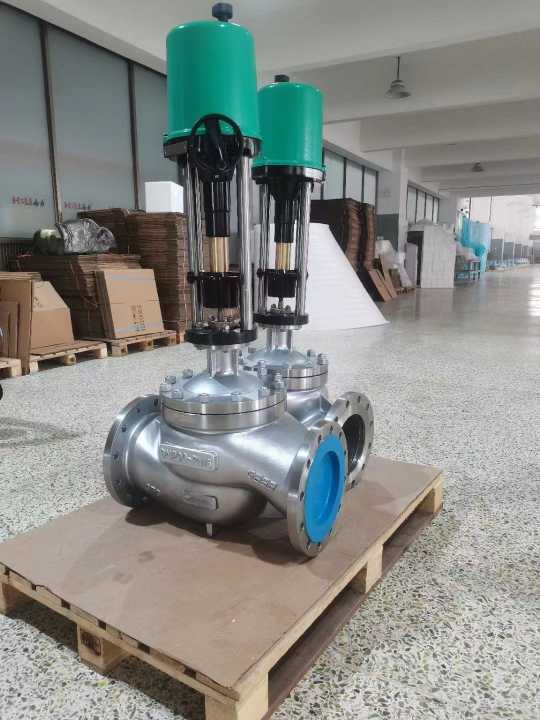
Understanding the Hydraulic Electric Single Seat Regulating Valve A single seat regulating valve is designed to control the flow of fluids—in this case, hydrogen—by adjusting the opening and closing of the valve seat. The “single seat” configuration implies that there is one primary seat that controls the flow, making it an efficient choice for many applications. When paired with an electric actuator, the valve can be controlled remotely, offering precise regulation of hydrogen flow according to the demands of the system. Structure and Operation The typical construction of a hydrogen energy electric single seat regulating valve includes several key components: the valve body, valve seat, actuator, and control system. The valve body is often made from high-quality stainless steel or specialized alloys to provide durability and resistance to hydrogen embrittlement—a phenomenon where metals become brittle due to hydrogen exposure.