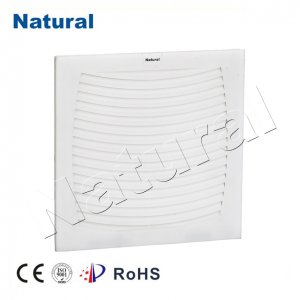
In various industrial settings, maintaining optimal conditions for electronic equipment and machinery is critical to ensuring their longevity and efficiency. One of the key components that play a vital role in protecting such equipment is the enclosure fan filter. These filters are designed to provide a controlled airflow while keeping contaminants out of sensitive equipment. In this article, we will explore what enclosure fan filters are, how they function, their importance in various industries, and the best practices for maintaining them.
What is an Enclosure Fan Filter?
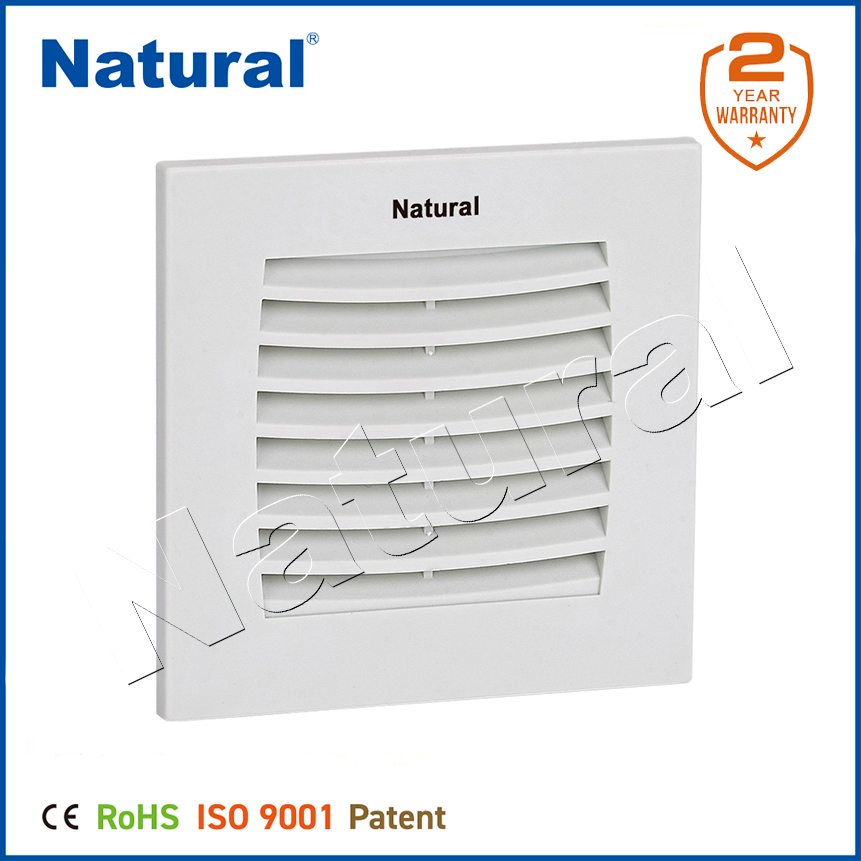
An enclosure fan filter is a device used to ensure clean airflow into electronic enclosures that house sensitive components, such as servers, power supplies, and control systems. Typically, a fan filter system consists of a fan, a filter, and an enclosure, working together to regulate the internal temperature of the equipment while preventing dust, debris, and other contaminants from entering. The fan draws air into the enclosure, while the filter traps particles before they can reach the equipment. Enclosure fan filters come in different designs, such as washable filters, disposable filters, and HEPA (High-Efficiency Particulate Air) filters, depending on the specific needs of the environment and the level of protection required.