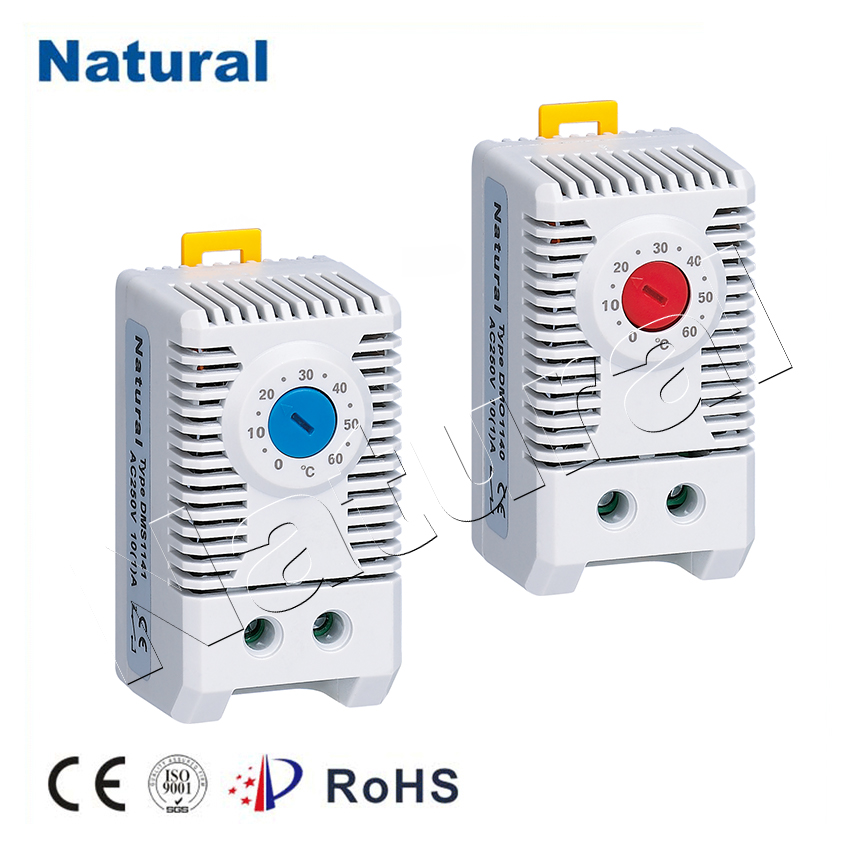
A 24V thermostat is a fundamental device that plays a crucial role in modern heating, ventilation, and air conditioning (HVAC) systems. Used primarily in residential and commercial buildings, this low-voltage thermostat regulates the temperature within a given space by controlling heating and cooling devices. This article aims to provide an in-depth understanding of the 24V thermostat, exploring its functionality, installation, and advantages in contemporary climate control systems.

What is a 24V Thermostat?
A 24V thermostat operates on 24 volts of power, which is typically supplied by a transformer in HVAC systems. This low voltage makes it safer to install and operate, especially in environments where high-voltage wiring may be a concern. Unlike older models that required higher voltages, 24V thermostats are more energy-efficient and can interface with a variety of HVAC components, including air conditioners, heat pumps, and furnaces. The term “24V” refers to the power input required to run the thermostat. The thermostat itself doesn’t generate the power but controls the operation of HVAC components based on the temperature settings selected by the user. A common feature of these thermostats is their ability to connect to a central system that regulates heating and cooling automatically to maintain comfort levels.