High voltage (HV) insulation systems are crucial components in ensuring the safe and reliable operation of power transmission and distribution networks. The insulation within high voltage equipment, such as transformers, circuit breakers, and cables, plays a pivotal role in preventing electrical faults that could lead to equipment damage, safety hazards, or even power outages. One of the essential devices that help safeguard these systems is the HV Insulation Fault Relay. This relay is designed to detect insulation failures in high voltage electrical equipment, providing early warning signs and protection against potential hazards. In this article, we will explore the purpose, working principle, and applications of HV Insulation Fault Relays, as well as the benefits they offer to power systems.
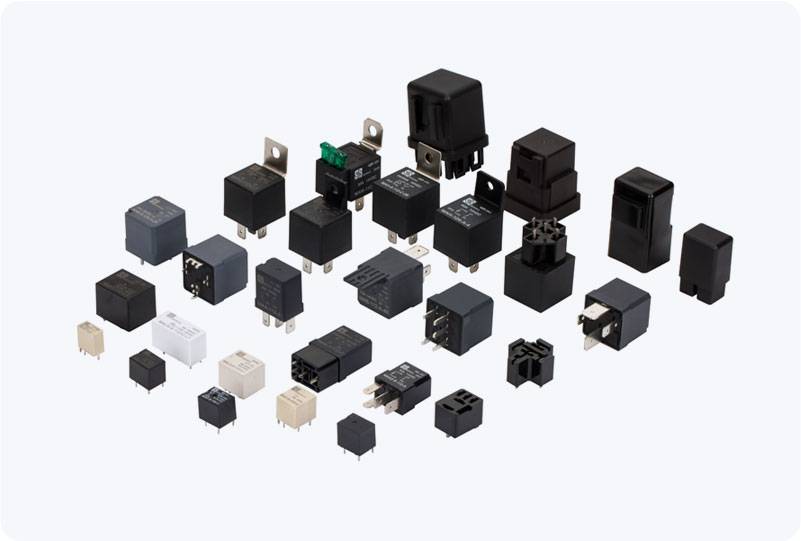
What is HV Insulation Fault Relay? An HV Insulation Fault Relay is an electrical protection device specifically used in high voltage systems to monitor and detect insulation failures. Insulation failures can result from factors such as aging, moisture, mechanical stress, or environmental conditions. When such failures occur, they can cause short circuits, equipment breakdowns, or even catastrophic failures if not detected promptly. The relay functions by continuously monitoring the insulation resistance of equipment and detecting any abnormal drops or deviations that could indicate a fault.