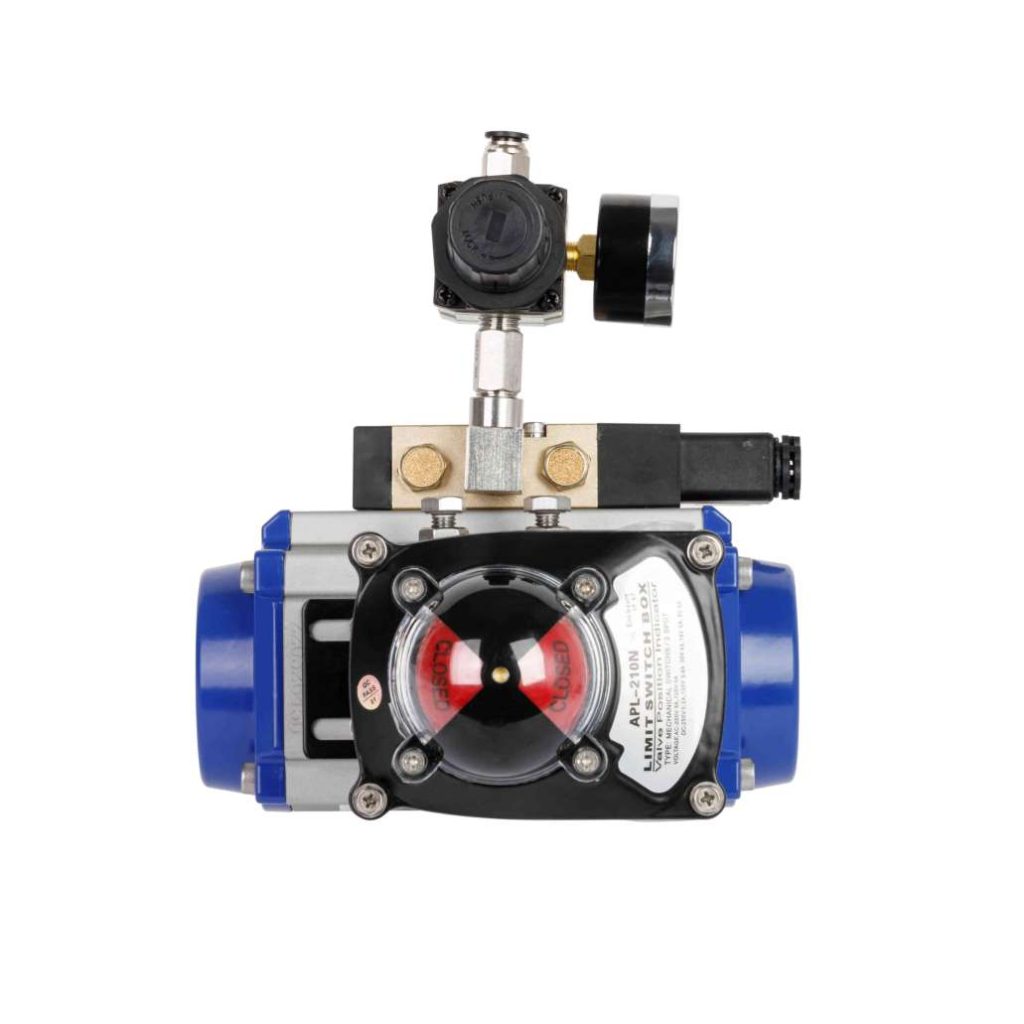
In the realm of industrial automation and control systems, pneumatic actuators have established themselves as essential devices that enable precise and efficient mechanical movements driven by compressed air. These versatile actuators are widely used in various applications, from robotics and assembly lines to the operation of valves in process industries. This article delves into the functionality, types, advantages, and applications of pneumatic actuators, highlighting their importance in modern automation.
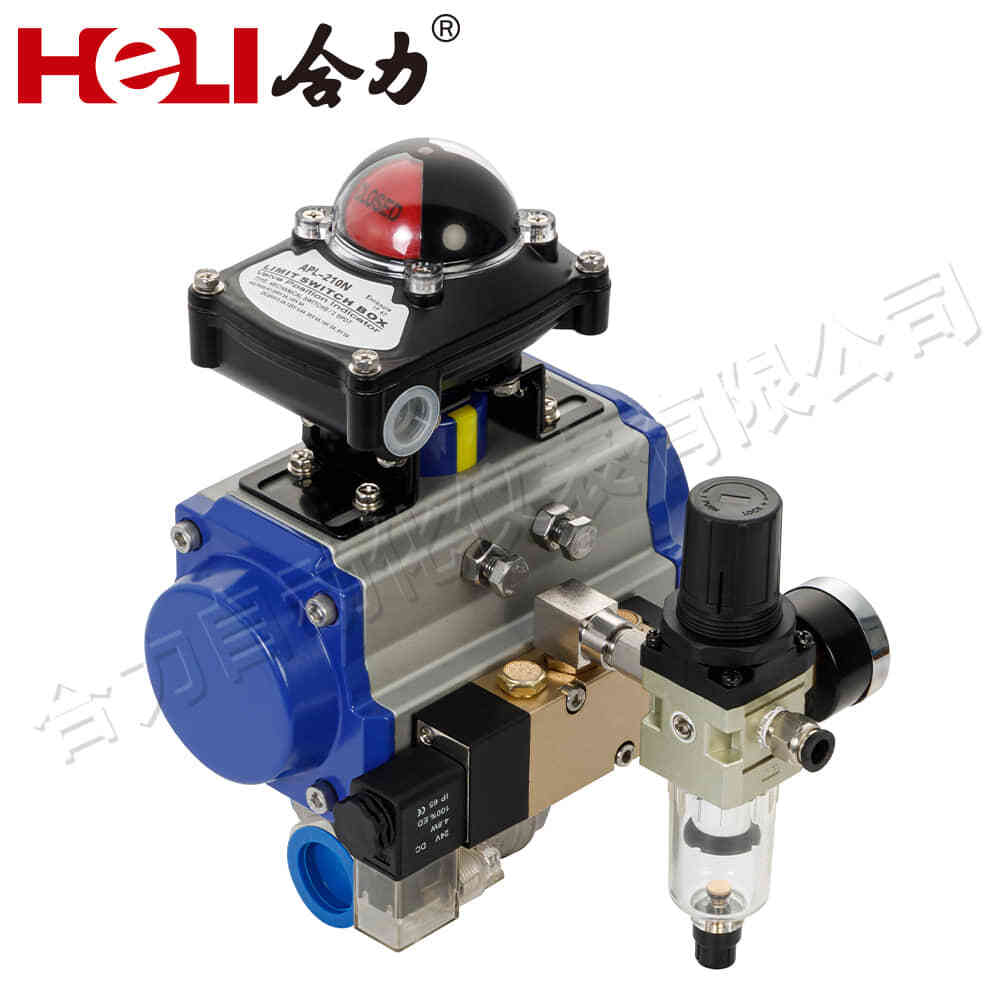
Functionality of Pneumatic Actuators
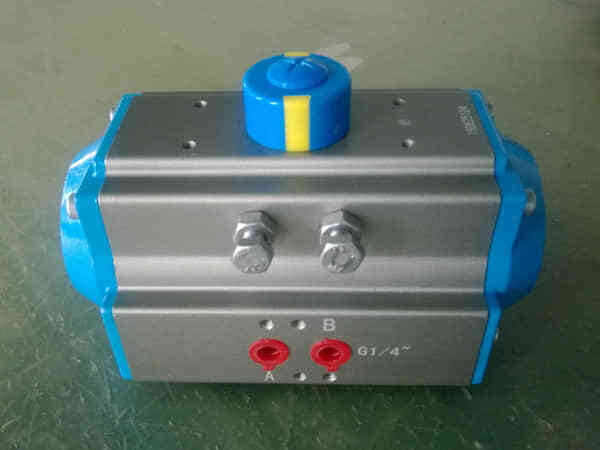
At the heart of a pneumatic actuator is its principle of operation: the conversion of compressed air energy into mechanical motion. When pressurized air is introduced into the actuator, it fills a chamber, creating a force that drives a piston or a similar device. Depending on the design, this movement can either be linear or rotational. In linear pneumatic actuators, the movement generated by the air pressure moves a piston back and forth within a cylinder. Conversely, rotary pneumatic actuators utilize the pressure to create rotational movement, often initiating the opening and closing of valves. The actuation process is controlled by pneumatic valves that regulate the flow of compressed air into and out of the actuator, allowing for precise control over the motion.