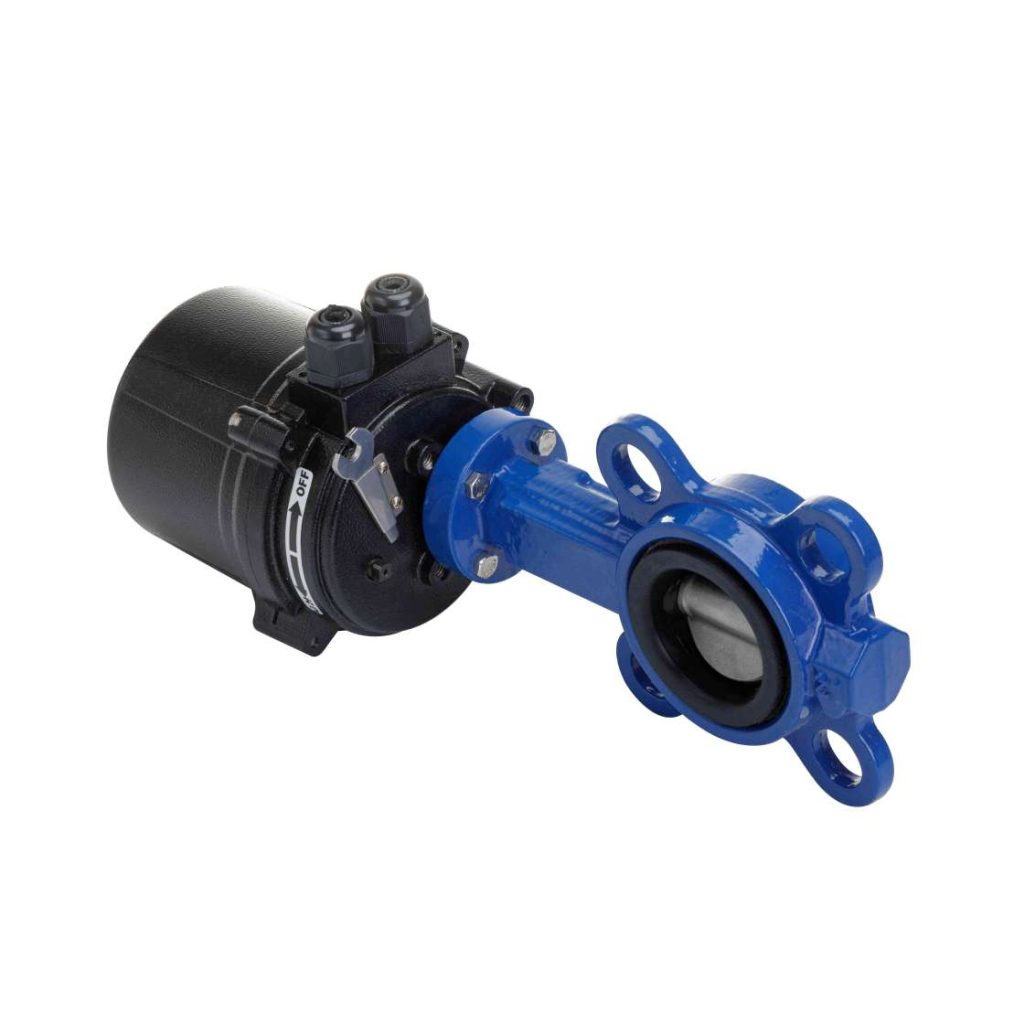
Electric butterfly valves are widely used in various industries for controlling the flow of fluids in pipelines. These valves are designed with a simple yet effective mechanism that allows for quick and precise flow control, offering several benefits over other types of valves. In this article, we will delve into the features, working principles, applications, and advantages of electric butterfly valves, as well as their key considerations when selecting and maintaining them.
What is an Electric Butterfly Valve?
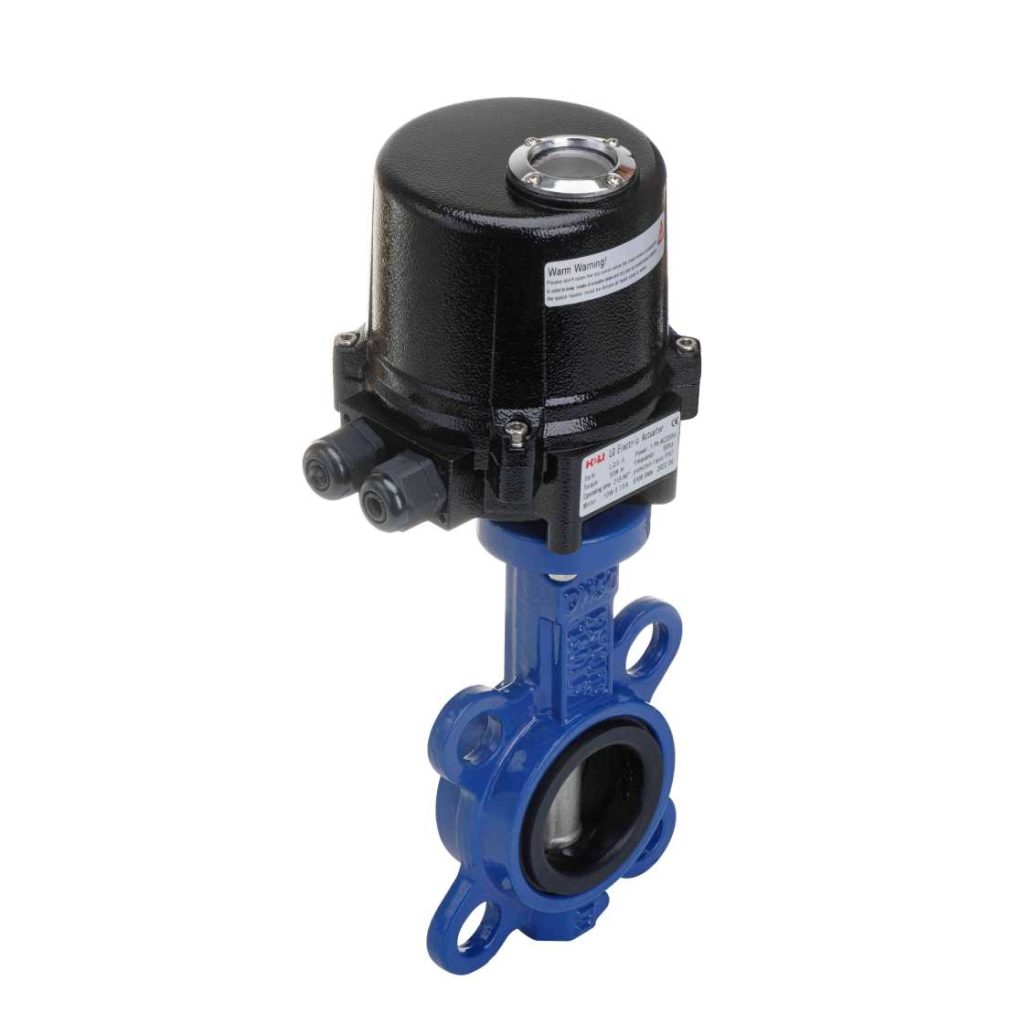
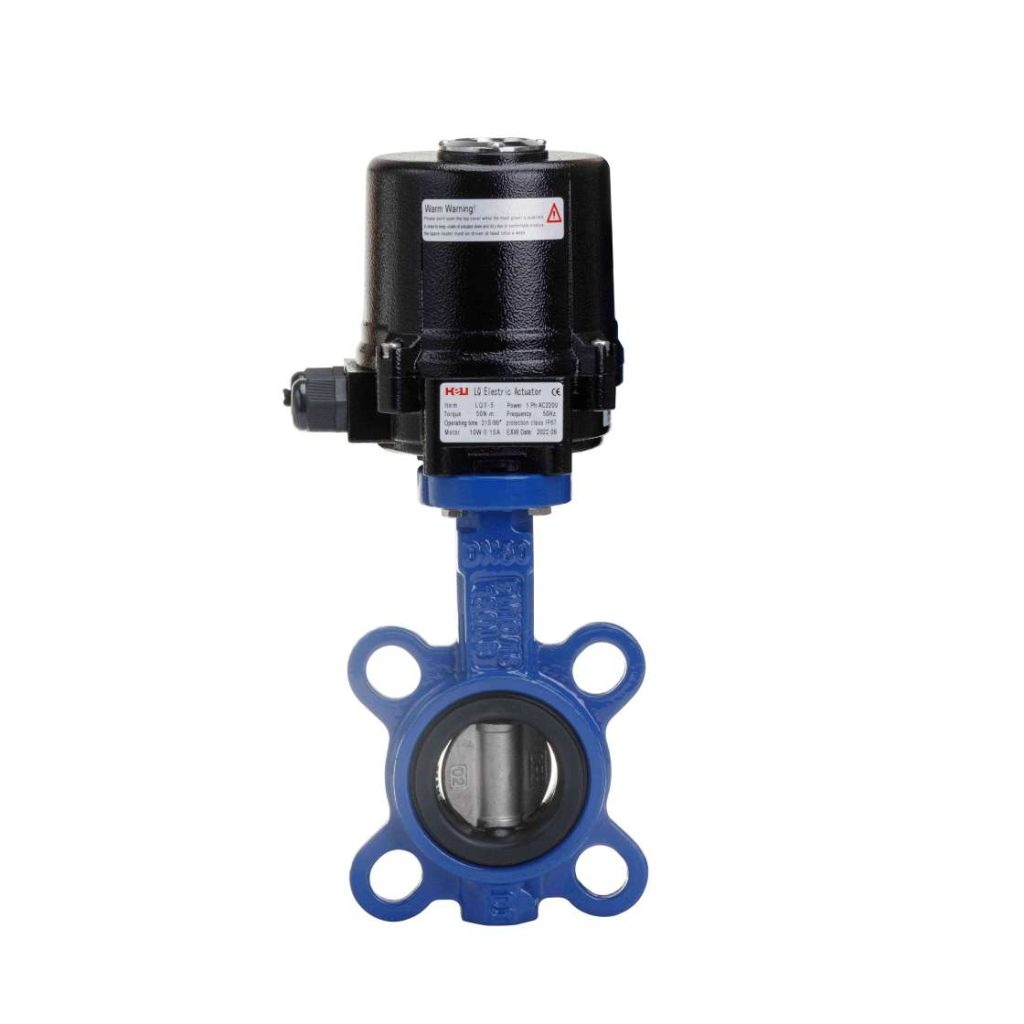
An electric butterfly valve is a type of valve that uses a rotating disk to regulate the flow of fluid within a pipe. It is called “butterfly” due to the shape of the disk, which resembles a butterfly’s wings when viewed from the side. The valve consists of three main parts: the body, the actuator, and the valve disc. The actuator is powered by electricity and is used to open or close the valve by rotating the disc inside the valve body. This rotation controls the flow of fluids, whether gas or liquid, through the pipeline. Electric butterfly valves are commonly used in systems where space is limited or where a large flow of fluid needs to be controlled with minimal pressure drop. They are known for their quick response time and ease of integration with automated control systems, which make them ideal for industrial applications that require remote operation.