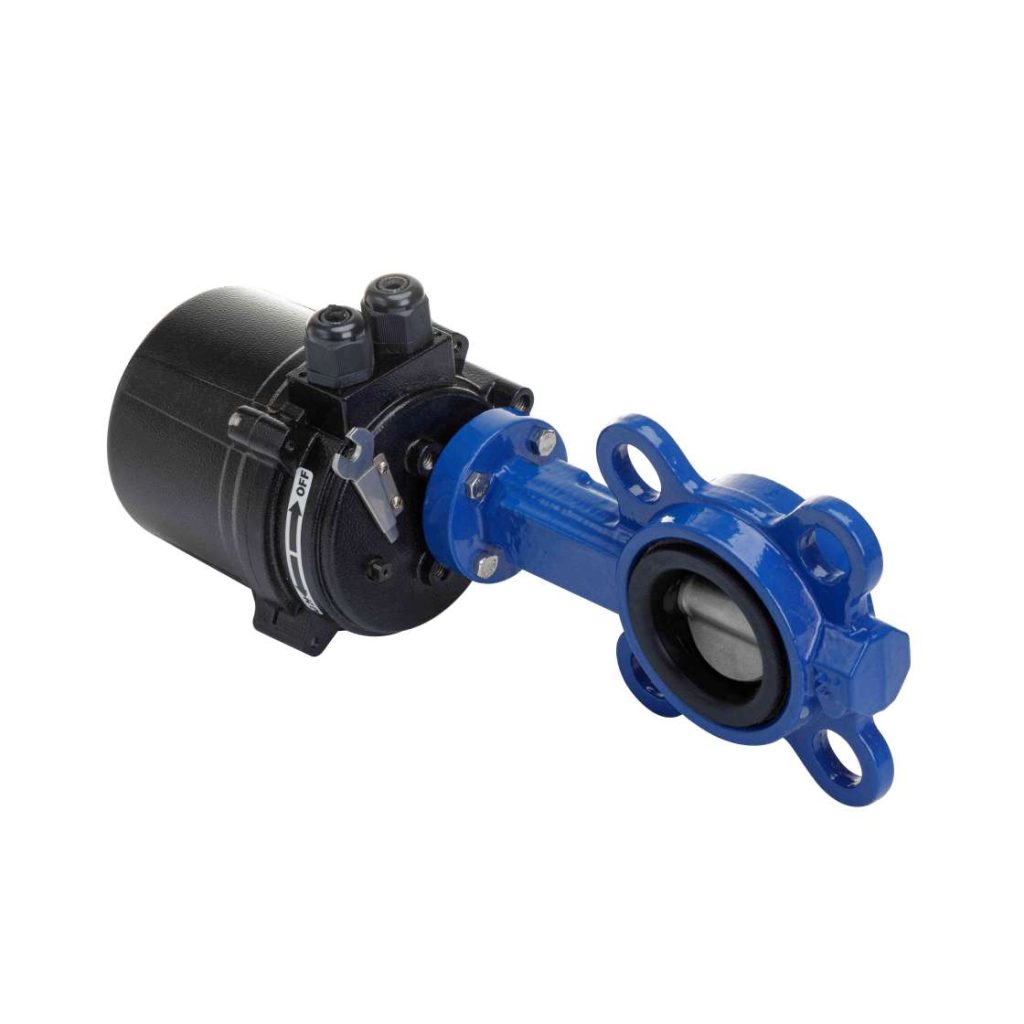
In modern agricultural practices, water management plays a crucial role in ensuring healthy crop growth and optimizing yields. One of the most significant components of an efficient irrigation system is the valve technology used to control water flow. The WCB Electric Butterfly Valve, specifically designed for agricultural irrigation, stands out as a reliable, durable, and cost-effective solution for managing water distribution in irrigation systems. This article explores the features, benefits, and applications of the WCB Electric Butterfly Valve, highlighting how it is revolutionizing water management in agriculture.
What is a WCB Electric Butterfly Valve?
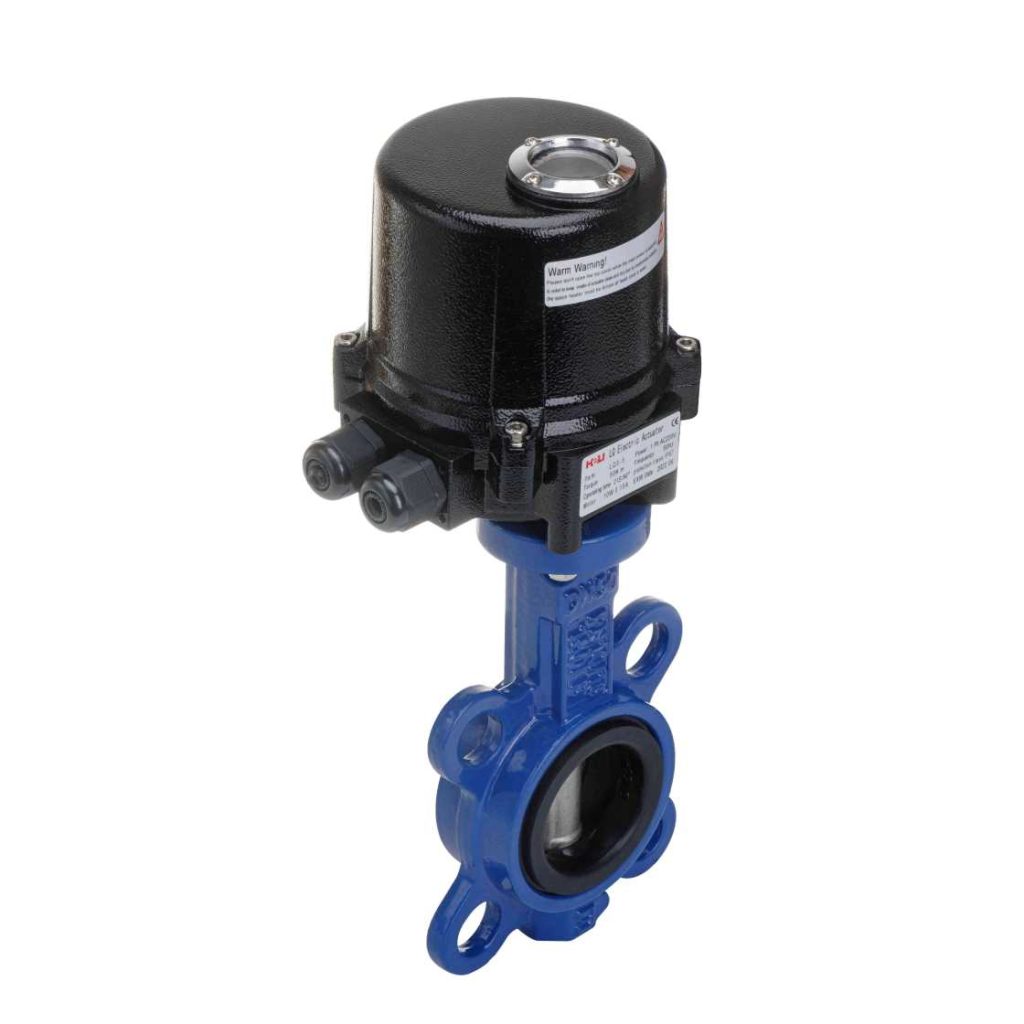
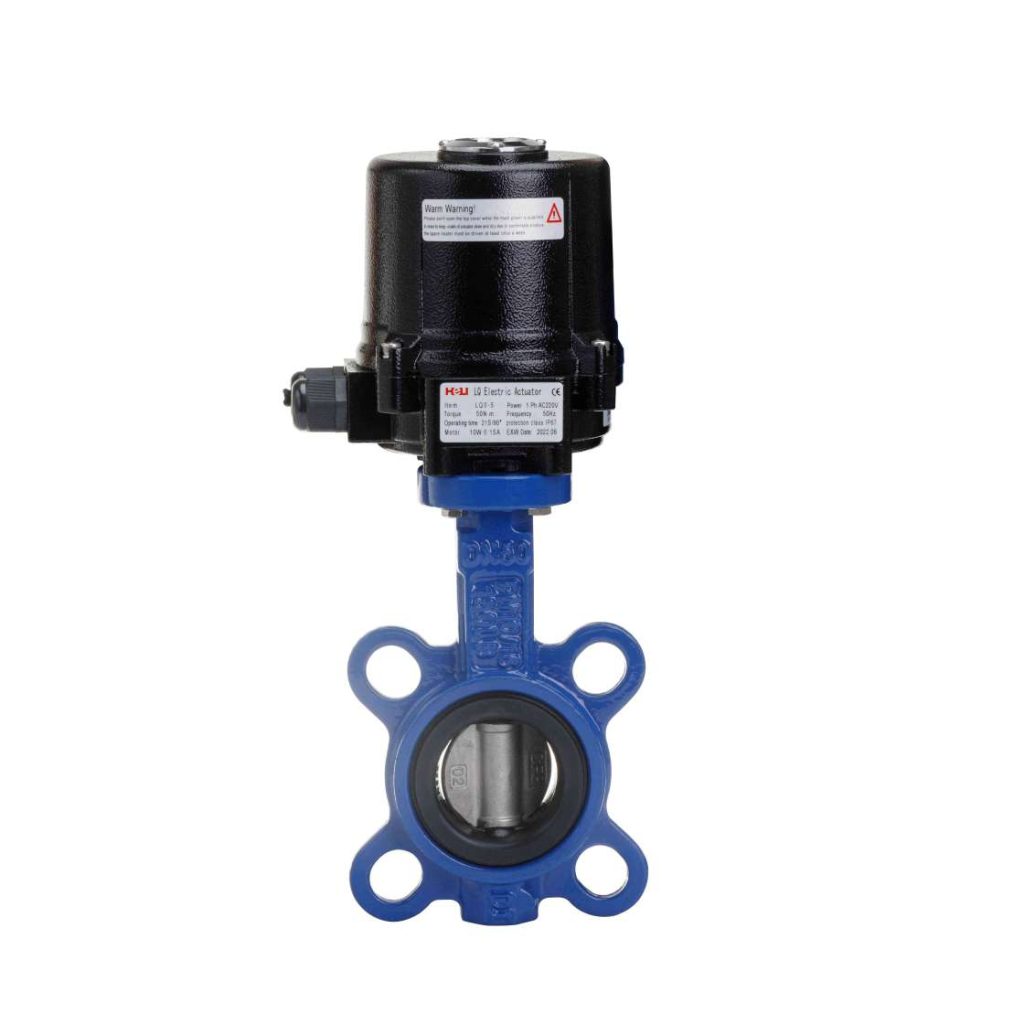
The WCB Electric Butterfly Valve is a type of quarter-turn valve that uses an electric actuator to control the flow of water through a pipe. The valve consists of a circular disc (the “butterfly”) that rotates to either block or allow the flow of water. The valve’s body is made from high-quality cast carbon steel (WCB), which ensures durability and resistance to corrosion, making it ideal for agricultural irrigation systems that operate in harsh environmental conditions. The electric actuator is designed to provide precise control over the valve’s operation. With the push of a button, farmers can easily open or close the valve, adjusting the water flow according to their needs. The electric actuator is often integrated with automated irrigation systems, allowing for seamless operation without the need for manual intervention.