In industrial applications, safety and precision control of fluid flow are paramount. One critical component that ensures both is the explosion-proof electric single seat regulating valve. This type of valve combines the functionality of precise flow regulation with robust design features that minimize the risk of hazardous situations in explosive environments. In this article, we will explore the construction, functionality, applications, and advantages of explosion-proof electric single seat regulating valves.
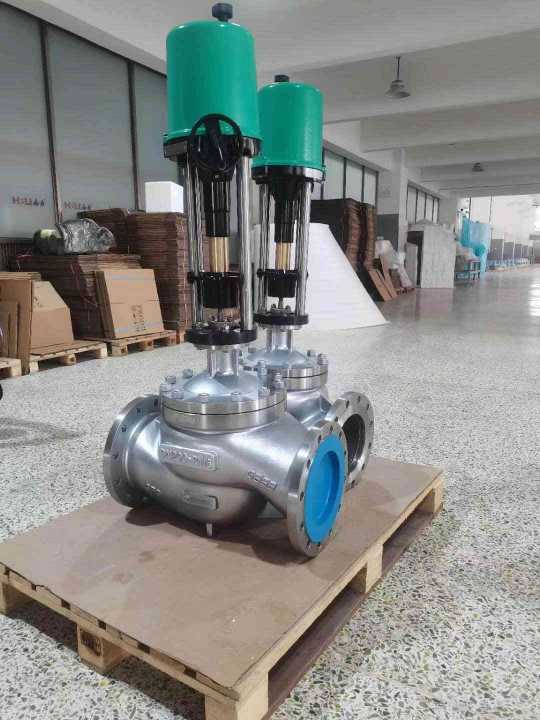
Construction An explosion-proof electric single seat regulating valve is typically made from durable materials designed to withstand high pressures and temperatures. The valve consists of a single seat design, featuring a streamlined fluid path that minimizes pressure drop and turbulence while enhancing flow efficiency. The valve body is often crafted from materials such as stainless steel, carbon steel, or other corrosion-resistant alloys to protect against the harsh conditions often present in industrial settings. The term “explosion-proof” indicates that the valve is constructed to resist ignition in the event of an explosive atmosphere, following rigorous industry standards and protocols, such as those outlined by the National Electric Code (NEC) and the International Electrotechnical Commission (IEC). The electric actuator attached to the valve is also designed to meet stringent explosion-proof requirements, ensuring that it operates safely even in volatile environments.