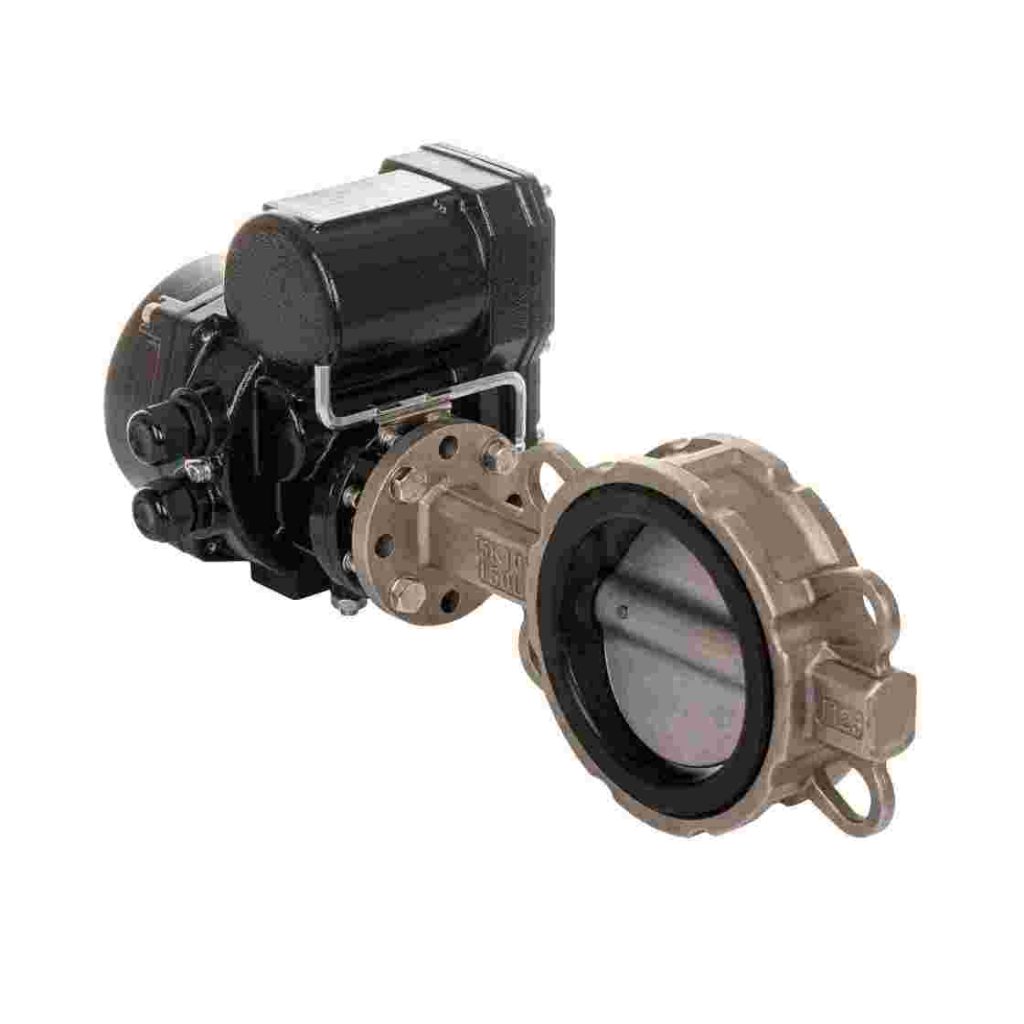
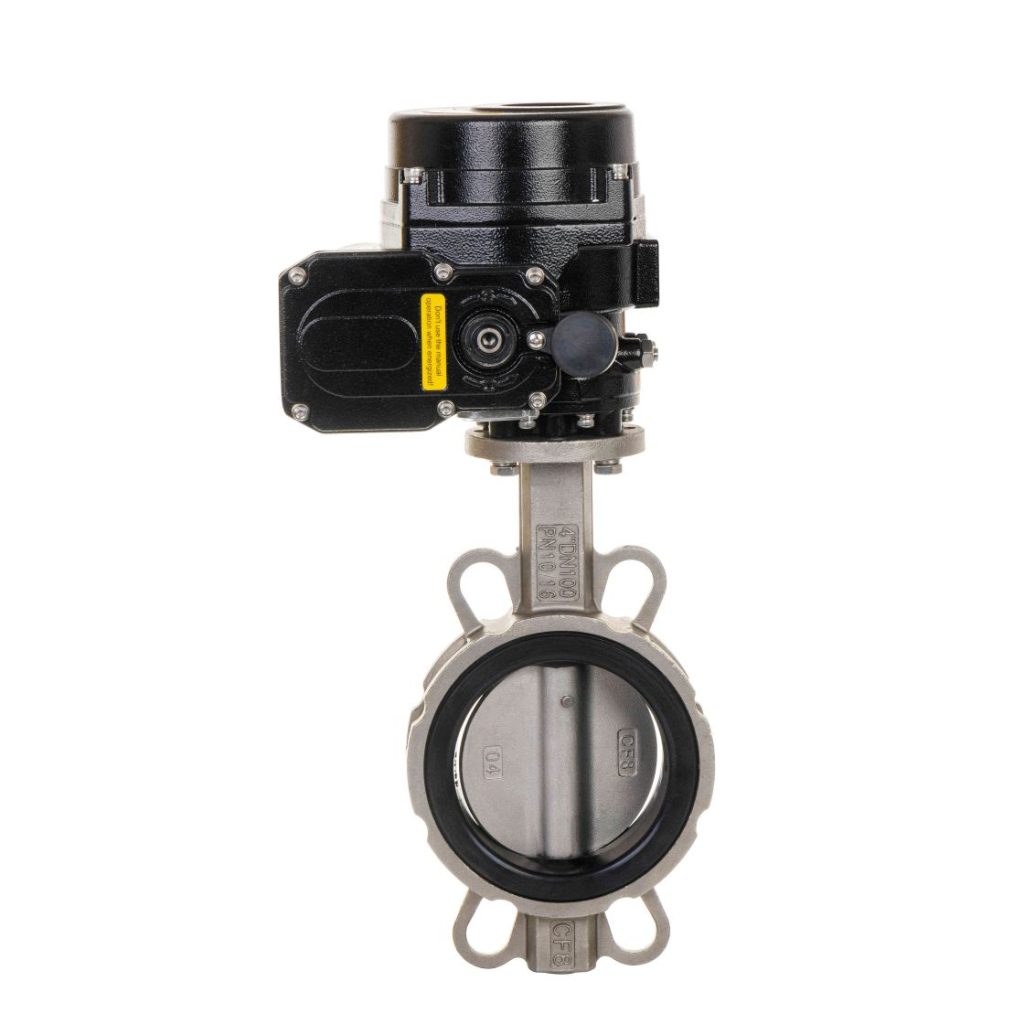
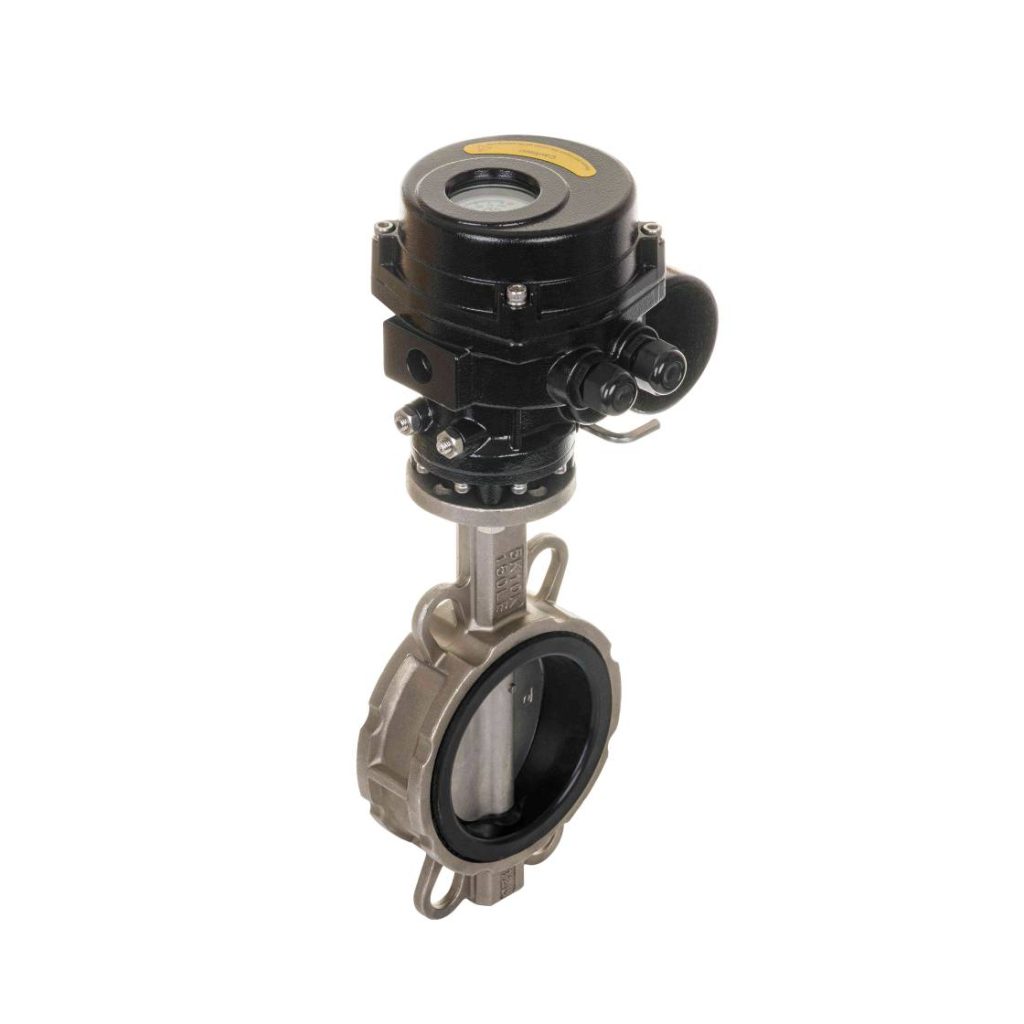
The WCB Electric flanged soft seal butterfly valve is an essential component in fluid control systems across various industries, including oil and gas, chemical processing, water treatment, and power generation. Known for its efficient mechanism and reliable sealing capabilities, this valve is designed to regulate the flow of fluids effectively. In this article, we will delve into the key features, working principles, advantages, applications, and considerations for selecting the WCB Electric flanged soft seal butterfly valve.
Key Features
Material Composition: The term “WCB” stands for “Wrought Cast Body,” typically indicating that the valve body is made from high-quality cast iron. This material provides a robust structure that can withstand high pressure and temperature conditions while exhibiting corrosion resistance. Soft Sealing Design: The soft seal butterfly valve employs a sealing mechanism made of elastomeric materials such as rubber or PTFE (Polytetrafluoroethylene). This design not only enhances the sealing capacity but also allows for a tighter shut-off, drastically reducing leakage rates when the valve is closed.