The electric two-seat regulating valve plays an essential role in modern industrial processes, providing precise control over fluid flow in various applications. This valve type combines the functionalities of a traditional valve with the efficiency of electric actuation, resulting in enhanced performance, flexibility, and safety within fluid systems. In this article, we will explore the operational principles, key features, applications, and advantages of electric two-seat regulating valves.
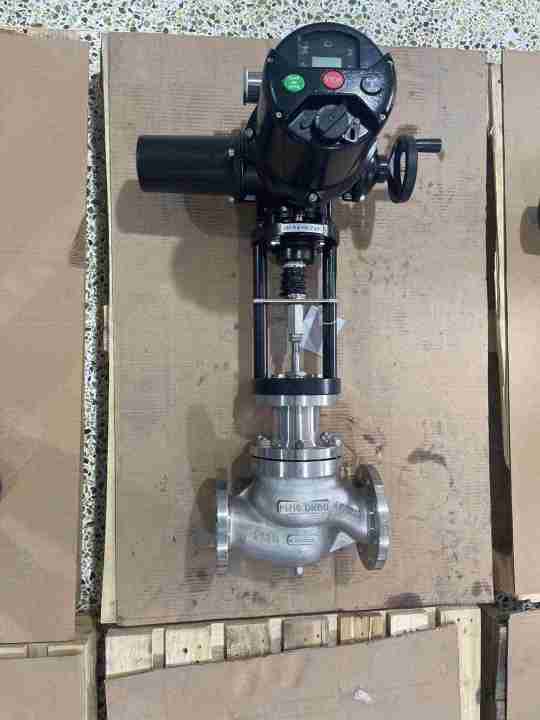
Operational Principles The electric two-seat regulating valve functions primarily through the integration of two key components: the valve body and the electric actuator. The design of the valve body features two seating surfaces, enabling a tighter seal and improved flow characteristics compared to single-seat valves. When the electric actuator receives a control signal from a control system, it adjusts the position of the valve disc, opening or closing the passage to regulate the fluid flow. Electric actuators are equipped with sensors that provide real-time feedback on the valve position, ensuring accurate adjustments can be made based on the process requirements. This closed-loop control system is fundamental to maintaining optimal operating conditions in various applications.